
KYIV, June 13, 2026, 16:02 (EEST) —
- Ukraine said it struck an oil processing and pumping site in Russia’s Volgograd region on Saturday, stepping up attacks on refinery and logistics targets.
- Russian crude and condensate production slipped to 9.009 million barrels per day in May, falling for a sixth month in a row, OPEC data reported by The Moscow Times showed.
- Strikes on specialized refinery gear like hydrocrackers are tougher to fix than hits on tanks or simpler units, analysts said.
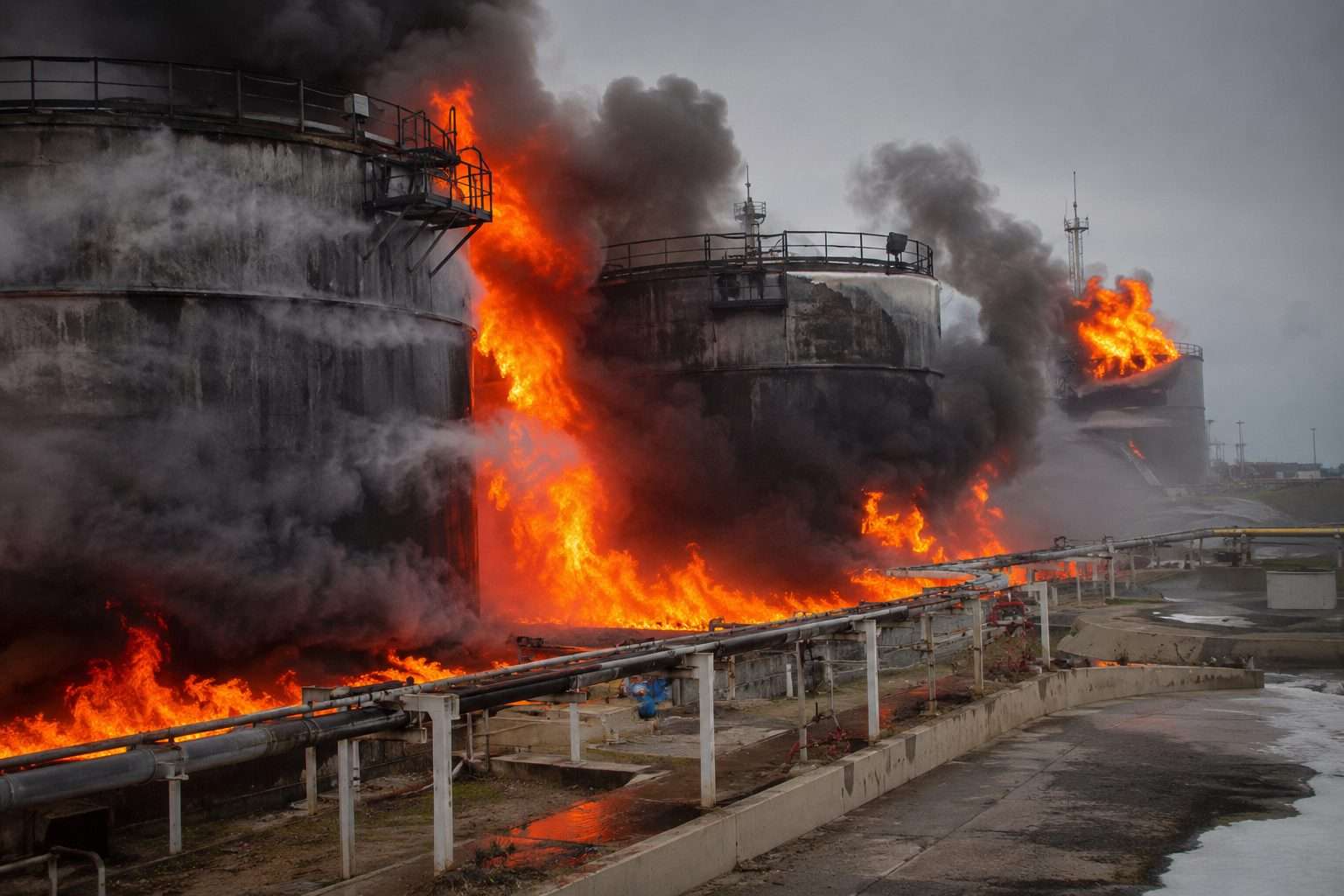
Ukraine stepped up its long-range attacks on Russia’s oil sector Saturday, with Kyiv saying it hit an oil processing and pumping site near Kotovo in Russia’s Volgograd region. The Ukrainian General Staff said the location manages oil processing, transportation and moves crude via pipeline to Russian refineries and export facilities. Kyiv said the strike sparked a fire.
New reports said a fire broke out at a sea terminal in Russia’s Krasnodar region after drone debris landed there, local officials told the Associated Press. One person was killed and three others hurt. Russian media reported the Volna terminal, hit by the fire, handles crude oil, petroleum products and liquefied gas. Ukraine’s General Staff did not comment on this strike.
Russian crude and condensate production dropped to 9.009 million barrels a day in May, according to The Moscow Times, citing OPEC numbers. That’s down from the November high of 9.38 million barrels a day. The fall puts Russia around 690,000 barrels a day under its OPEC+ target, Bloomberg estimates cited by the Times said. The drop followed a record wave of Ukrainian attacks on Russian refineries, export facilities and pipelines.
It’s not just the number of strikes that matters, but where they hit. RFE/RL said Ukraine is hitting more secondary refinery units, like hydrocrackers, which make crude into fuels like diesel and are harder to fix. Kpler data cited by RFE/RL showed Russia’s idled secondary-processing capacity in May was about 1.2 million to 1.3 million barrels a day higher than a year ago. Hydrocrackers made up 250,000 barrels a day of this, up from 50,000 to 60,000 barrels a day last year.
Tatiana Mitrova at Columbia University’s Center on Global Energy Policy told RFE/RL that “not all strikes are equal: damage to specialized bottlenecks is much harder to absorb than damage to simpler, more replaceable assets.” RFE/RL noted there have been repeated attacks on the Black Sea refinery and port at Tuapse. CREA data showed oil loadings at Tuapse in May were down 91% from a year ago. RadioFreeEurope/RadioLiberty
Fuel shortages are showing up in Crimea under Russian control, with Reuters reporters seeing empty stations in Sevastopol and long petrol lines in Yevpatoriya on June 11, even though rationing is in place. Reuters said about a dozen Russian regions had reported fuel shortages. Moscow has denied problems with nationwide supplies and most local officials said any issues were manageable or caused by panic buying.
Moscow is taking steps to keep fuel at home. RFE/RL said Russia stopped gasoline exports starting April 1 and put an aviation-fuel export ban in place on June 1. Russian news source 7×7 also reported limits on fuel sales in 14 regions, from Moscow to Kamchatka.
Russia faces a test now: can it fix damaged secondary units in time to keep up with summer fuel demand and keep crude exports steady? The Moscow Times said seaborne crude exports reached 3.64 million barrels a day in the four weeks to May 31, as repaired Baltic and Black Sea ports got back to work. But with crude output down and more hits on processing and logistics, the oil system looks weaker going into peak demand.