
Sydney, June 14, 2026, 23:21 (AEST)
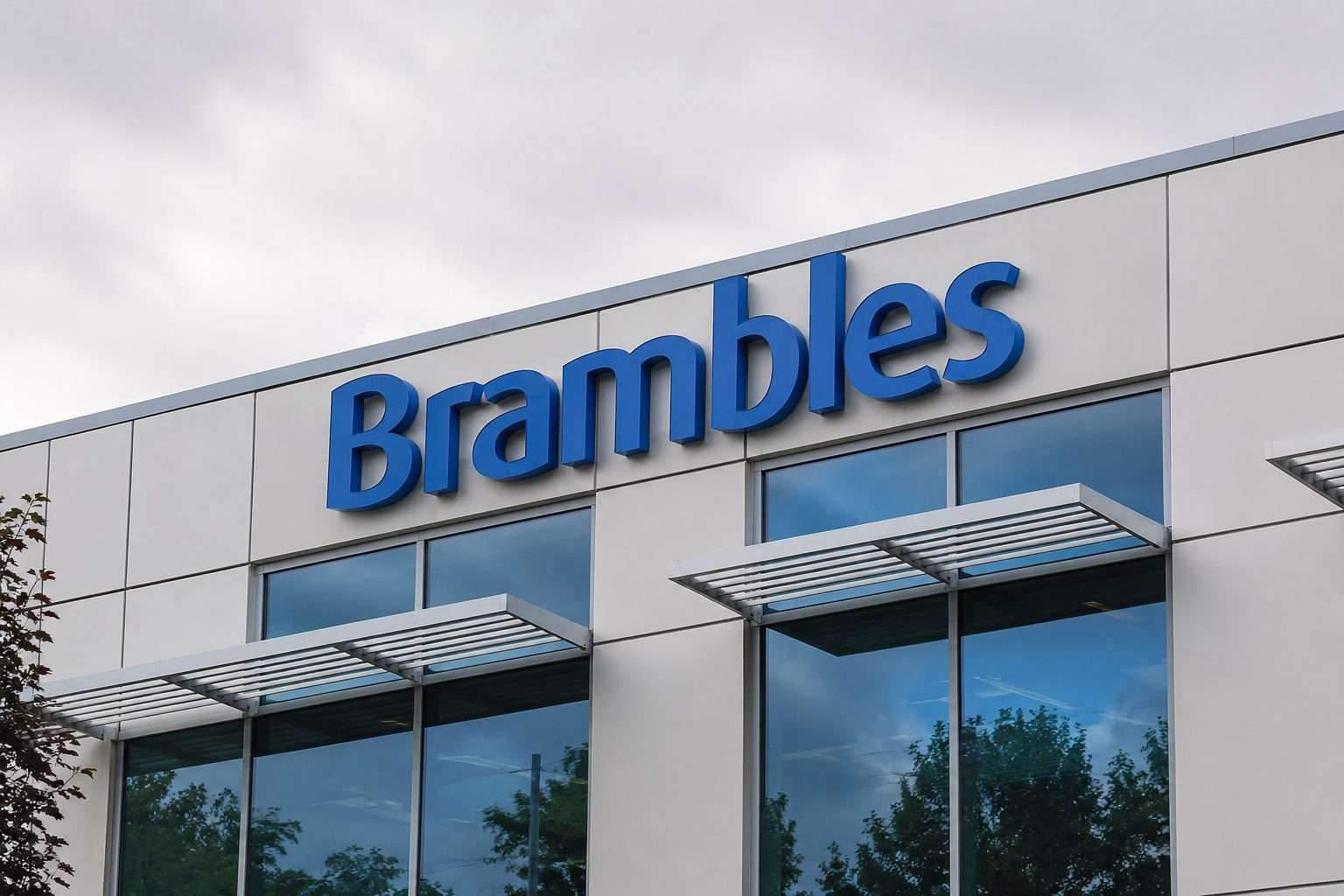
- Brambles closed Friday at A$19.01, up 3.82%, after trading between A$18.42 and A$19.11.
- The company’s latest buyback update showed 44,130 shares bought on June 11, with the on-market program scheduled to run to June 30, 2027.
- The next major catalyst is the August 20 full-year result, when investors will look for evidence that Brambles is fixing its US pallet repair capacity constraints.
Brambles Limited heads into the new week with its share price recovering, but not yet repaired. The ASX-listed logistics group finished June 12 at A$19.01, up A$0.70, or 3.82%, and Intelligent Investor’s price history showed about 9.65 million shares changed hands that day. The stock was also 11.89% above its close from seven days earlier, a sharp bounce after a difficult month for investors.
The latest company filing was a June 12 daily buyback notification. Brambles said it bought 44,130 ordinary shares on June 11, after 3.73 million shares had been bought before that day, leaving 130.89 million shares still available under the maximum proposed buyback size. An on-market buyback means the company purchases its own shares through the stock exchange; it can support earnings per share by reducing the share count, but it does not by itself solve operating problems.
Those operating problems remain the key reason the stock is still being watched closely. On May 18, Brambles cut its FY26 sales revenue growth guidance to 2%–3% from 3%–4% and lowered its underlying profit growth forecast to 3%–5% from 8%–11%, both on a constant-currency basis. Constant currency, or constant FX, strips out foreign-exchange moves to show the underlying business trend. Brambles said the change reflected about a US$60 million earnings hit from US repair capacity constraints, while it still expected free cash flow before dividends of US$1.0 billion to US$1.1 billion. Free cash flow is the cash left after operating needs and investment spending, before shareholder payouts in this case.
The issue is operational as much as financial. Brambles said automation in customer supply chains is increasing the need for higher-quality pallets, while repair capacity in parts of the United States was hit by subcontractor turnover, labour availability and extra repair time. The company plans to relocate pallets, add repair capacity and buy about 2 million new pallets in the fourth quarter of FY26, with more purchases expected in the first half of FY27. Chief executive Graham Chipchase said “meeting our customers’ needs is non-negotiable,” and the company said it expects to update investors on progress with the FY26 result on August 20.
The bull case is that Brambles still owns a hard-to-replicate global pooling network through CHEP, operating across about 60 countries with 348 million pallets, crates and containers and more than 750 service centres. Morningstar also noted that consumer staples account for roughly 85% of Brambles’ revenue, giving the business some defensive qualities because food, beverage and household-goods supply chains tend to be steadier than many cyclical markets. Analyst sentiment is not bearish overall: Investing.com’s latest consensus showed seven buy ratings, seven hold ratings and no sell ratings, with an average target price of A$21.63, implying about 13.75% upside from the latest price shown there.
The bear case is that the market has already learned that Brambles’ service quality issues can quickly damage earnings expectations. The stock remains down 17.35% so far in 2026, despite the latest rebound, and the analyst target range is wide, with the lowest target near A$18.58 and the highest above A$27, showing that valuation depends heavily on whether the repair program works. Morningstar’s bear-case summary also flagged longer-term risks, including the possibility that wooden pallets lose share to plastic alternatives, that older technology becomes less suited to automated logistics, and that pallets remain exposed to damage and loss.
On the current facts, Brambles looks like a risky recovery trade rather than a clearly cheap stock. The buyback, cash generation and global CHEP network support the bull argument, and the average analyst target sits above the current share price. But the May guidance cut means investors still need proof that the US repair bottleneck is temporary, not a sign of higher structural costs. The August 20 full-year result is therefore the next major test: a credible update on US service levels and repair capacity could keep the rebound alive, while any delay would make the stock look more fairly valued than attractive at A$19.01.