
London, June 15, 2026, 16:02 BST
- Tesco shares slipped around 1.4% in London, trailing the FTSE 100.
- Tesco investors are focusing on the company’s Q1 trading statement coming this week, with the latest buyback update getting less attention.
- The stock trades at fair to slightly attractive levels, but near-term risks remain around margins, food inflation, and discount rivals.
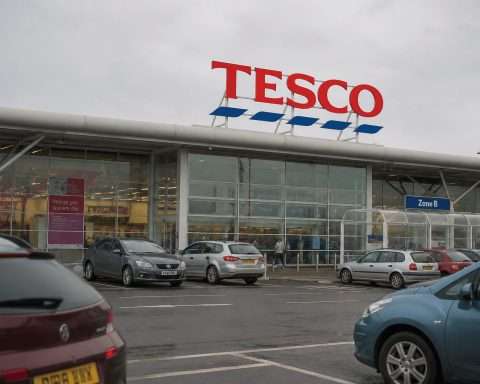
Tesco PLC shares slipped Monday, with investors growing wary ahead of the grocer’s next trading update. The stock traded at 466.20p on the sell side and 466.30p on the buy side, down 6.80p, or 1.44%. The FTSE 100 was down 0.36%, Hargreaves Lansdown data showed. Tesco is seen as a defensive pick, but it can still face pressure on value. Shares have dropped before when investors cut their future earnings expectations or see more risk to margins, demand or the outlook. The stock tends to rise if sales, profit outlook, cash returns or market share are looking stronger. HL
Tesco is pressing on with a new operational move, not a financial one. The company will roll out electronic shelf labels across around 3,000 UK shops in the next two years. Hanshow is providing the tech, Retail Rewired said. “An important step in the modernisation of our stores,” Tesco Operations MD Kevin Tindall said. The upgrade aims to cut manual price label work and speed up price and promo changes. But investors will be watching to see if those gains hit costs, service, or sales before it makes much difference to the share price. Retail Rewired
Tesco pressed ahead with its capital return plan. In a regulatory filing Monday, Tesco said it bought 1,945,076 ordinary shares at an average 470.05p on June 12, with the shares set to be cancelled. The grocer has now bought back 68,663,686 shares for £313.4 million since this buyback started on April 22, as part of a £750 million programme. Buybacks can boost earnings per share by cutting the number of shares, but this week the main question for Tesco remains whether trading is holding up enough to meet profit hopes. Investegate
Tesco’s 2025/26 results turned in a mixed showing. Sales excluding VAT and fuel came in at £66.59 billion, up 4.3% at constant exchange rates. Adjusted operating profit rose 0.6% to £3.15 billion, while free cash flow hit £1.96 billion. Free cash flow is what’s left after the business pays its bills and covers capex. CEO Ken Murphy said Tesco is “committed to doing whatever we can to help keep down the cost of the weekly shop.” The retailer said its UK market share is now at 28.5%. Tesco’s full-year dividend increased 5.8% to 14.5p. Investegate
Tesco eyes its next test with the Q1 trading statement due June 18. Back in April, the retailer guided for 2026/27 adjusted operating profit of £3.0 billion to £3.3 billion, and free cash flow between £1.5 billion and £2.0 billion. The bulls say a strong print helps: Tesco has scale, a big loyalty pricing base, a buyback still running, and it’s funding price moves out of the Save to Invest programme. But the bear view is tight: grocery margins don’t leave much slack, with discounters, higher wages, food inflation and weaker demand all risks to profit. Investegate
On the numbers, Tesco doesn’t show signs of distress. Hargreaves Lansdown has its market cap at around £29.3 billion, with a P/E ratio of 16.03 and a dividend yield close to 3.1%. Analyst ratings from Investors’ Chronicle, using LSEG data, are mixed but tilt positive: 2 buys, 9 outperforms, 4 holds, and 1 sell as of June 11. The 12-month target price sits at a median 520p, ranging between 460p and 560p. For investors looking for a defensive UK consumer stock with cash returns, shares look fairly to slightly attractive at these levels. Short-term traders face downside if Thursday’s update brings signs of softer volumes or deeper price cuts. HL