
London, June 16, 2026, 09:32 BST
- Barclays hovered near 483p in early London trading, building on Monday’s rise. UK bank stocks were supported as risk appetite stabilized.
- The share count keeps dropping as the bank sticks with its buyback plan, but investors remain focused on credit charges and possible UK motor-finance redress.
- Bank of England’s rate decision lands June 18. Barclays posts H1 2026 results on July 28.
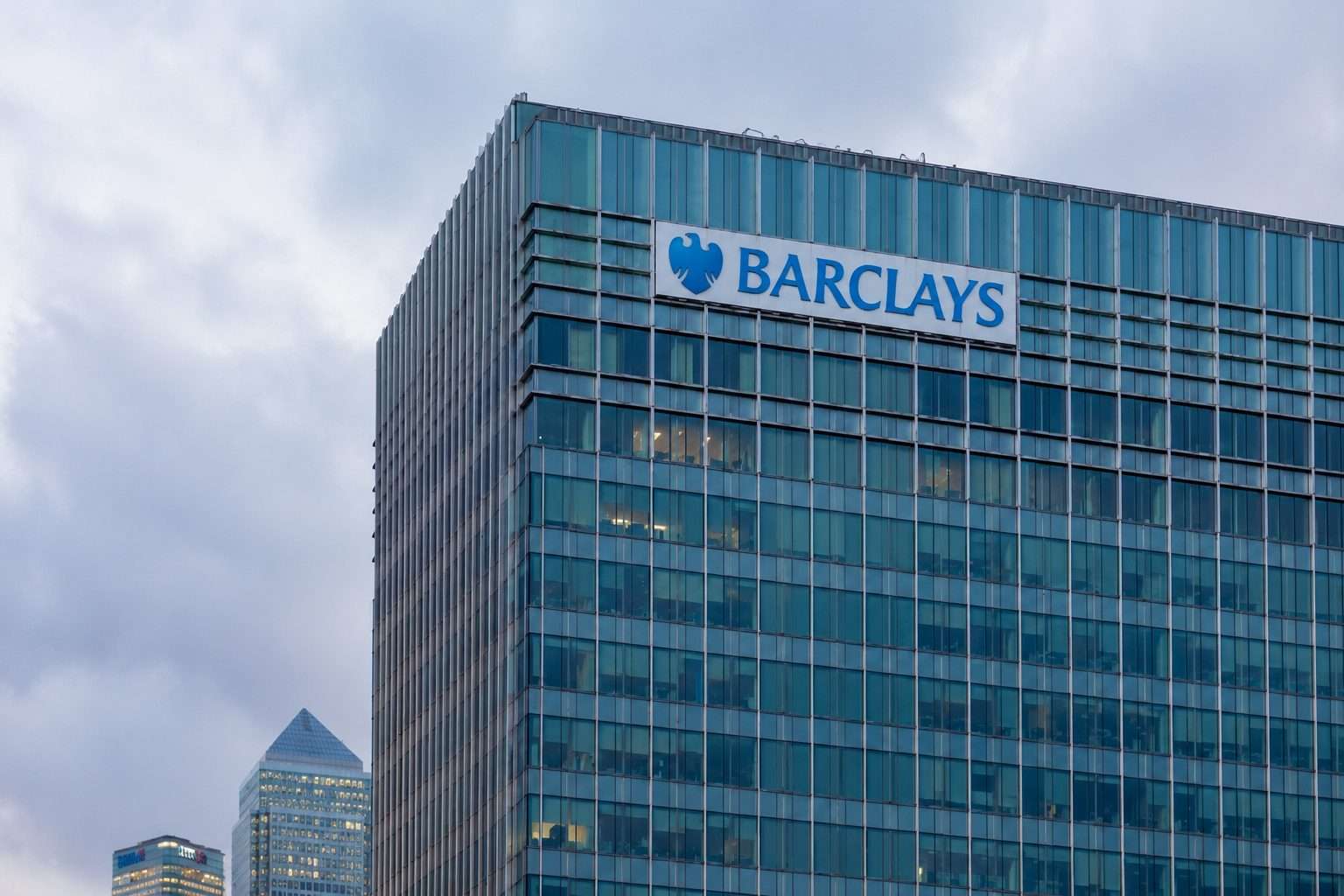
Barclays PLC shares edged up in London on Tuesday, changing hands at 482.70p to sell and 482.80p to buy, up 2.90p, or 0.60%, from 479.90p, according to AJ Bell. Hargreaves Lansdown had Barclays trade near 483p, 0.74% higher. AJ Bell data said Barclays recorded a 1.49% total return on Monday while the FTSE 100 fell 0.39%.
Barclays shares rose on Tuesday, even with no fresh earnings update. The move came as European stocks were modestly higher, with traders watching reports about a possible U.S.-Iran deal and weaker oil prices. Lower oil has eased some pressure on inflation fears. That has an impact on Barclays. Bank stocks tend to react fast to shifts in interest-rate outlooks. Banks earn more net interest income from higher rates—the gap between lending and deposit or funding costs. Still, hot inflation risks driving up loan losses and putting more borrowers under pressure.
Barclays bought back more shares this month, cutting its share count further and helping boost EPS. The bank told regulators in a June 15 filing it had repurchased 20,432,643 ordinary shares from June 8 to June 12, and plans to cancel them all. Since launching the program on April 29, Barclays has bought back 89,051,504 shares, paying a volume-weighted average price of 443.4317p per share. That figure factors in the size of each trade at different prices.
Barclays stuck to its bull case after posting a first-quarter pretax profit of £2.81 billion, up 3.3% from a year ago. Total income rose 5.8% to £8.16 billion. The bank left its 2026 targets unchanged, still going for about £31 billion in income and a CET1 ratio in the 13% to 14% range. CET1 is its main capital buffer. “The breadth and quality of our businesses mean we remain confident in delivering all our financial targets across a range of environments,” CEO C.S. Venkatakrishnan said, calling the quarter “solid.” Morningstar
Barclays isn’t trading like a bargain recovery bet, bearish analysts say. AJ Bell’s data shows the bank at about £65.28 billion in market value, with a P/E of 11.06 and a 1.79% yield. The stock bounced from its yearly low at 317.85p but hasn’t touched the 523p high. Bears flag risk. Credit impairment charges hit £823 million in Q1, with £228 million from one investment bank exposure. Barclays also raised its UK motor-finance redress set-aside to £430 million.
Barclays shares are trading around fair value, maybe a bit on the attractive side, but not cheap. Buy-backs, capital goals, and higher income are helping the stock. Credit losses, motor-finance costs, and the unclear rate outlook still weigh. Investors are waiting on the Bank of England’s June 18 decision, with the Bank Rate stuck at 3.75%. The main focus for Barclays comes with H1 2026 results on July 28, when the market wants to see progress on buy-backs, cost reduction, and credit quality.