
London, June 16, 2026, 10:02 BST
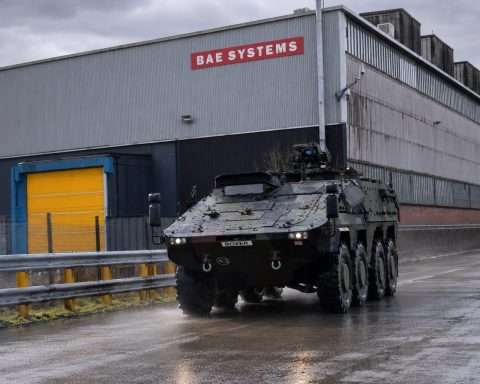
- BAE Systems shares traded at about 1,866p in London, gaining 45p, or 2.47%. The move follows a 4.74% drop on June 15. AJ Bell
- Investors pulled back from defence stocks after talk of a possible U.S.-Iran peace deal took some of the geopolitical “risk premium” out of the space. The Guardian
- Investors are waiting on the GCAP fighter-jet contract, due by end of June, and BAE’s half-year numbers out July 30. Reuters
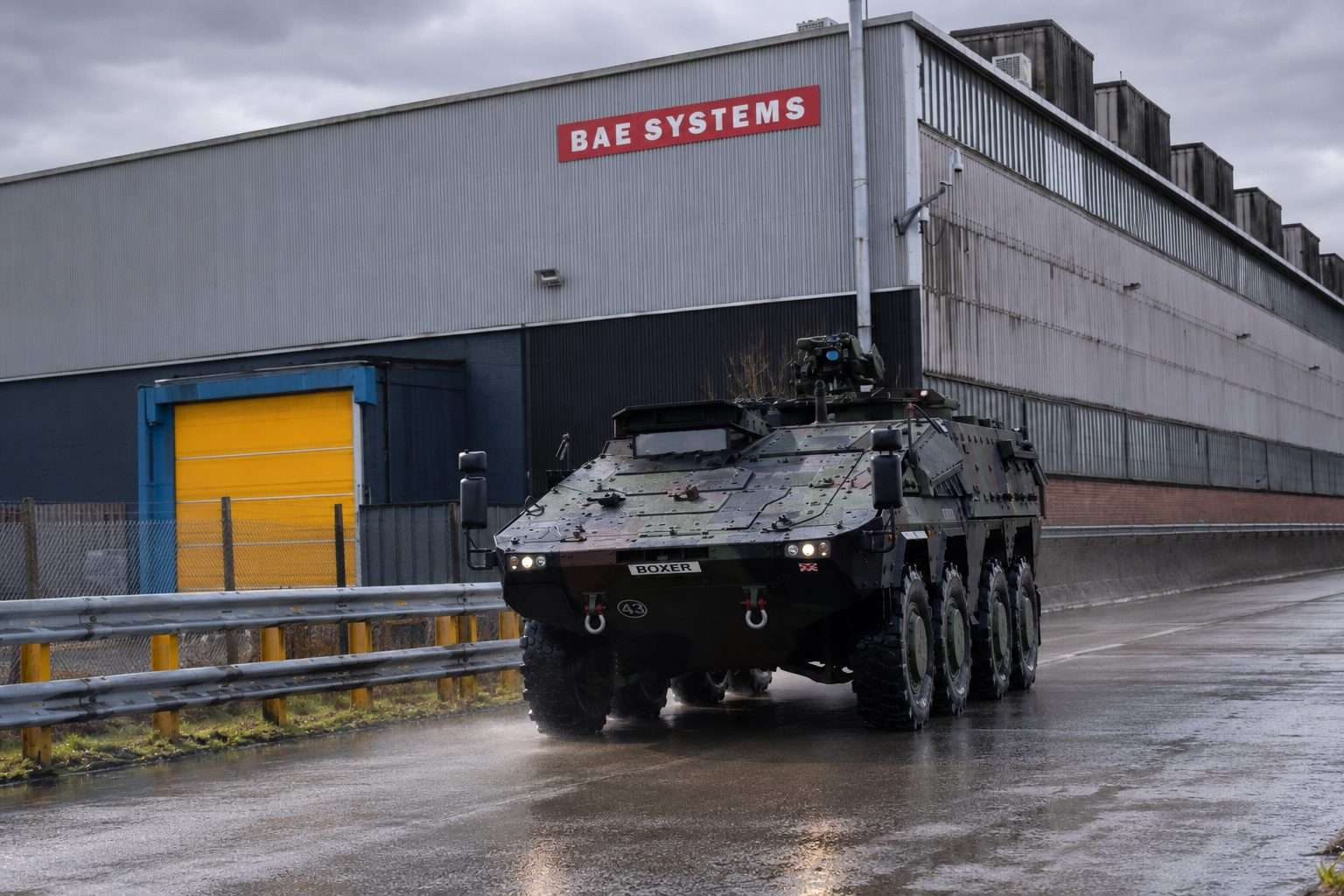
BAE Systems shares picked up on Tuesday, with AJ Bell showing a 1,865p sell price and a 1,866p buy, up 45p or 2.47%. That came after the stock tumbled on Monday—BAE’s total return sank 4.74% while the FTSE 100 dropped 0.39%. AJ Bell The move wasn’t about a profit warning. It looked like markets were taking down defence stocks fast after traders bet on a U.S.-Iran peace deal; The Guardian had BAE leading Monday’s FTSE 100 laggards, off 4.7%, “amid hopes of a sustained end to hostilities in the Middle East.” The Guardian
That can move the stock because BAE is seen as a pure London defence play. When war risks climb, investors often pay more for shares like BAE, betting on bigger military budgets. When those risks drop, that extra valuation can disappear quickly. On Tuesday, BAE gave the market some new details to consider: it will put €50 million into venture capital funds aimed at European defence-tech start-ups, including €25 million for funds run by Expeditions and Lakestar. These are funds backing young, fast-growth, high-risk companies. BAE Systems
BAE Systems said on Monday that it signed a memorandum of understanding with NEC to develop active cyber defence solutions for Japan’s government. This kind of memorandum is not a formal contract but can lead to work down the line. BAE Systems Investors are watching GCAP, the fighter jet project involving BAE, Leonardo, and Japan Aircraft Industrial Enhancement. Reuters said the UK and Japan promised to speed up GCAP, with a contract expected by the end of June. Reuters
BAE is still pitching an easy bull case. In its May update, the company said it started 2026 strong and kept its full-year targets in place. Sales are seen up 7% to 9%. Underlying EBIT and EPS both expected to rise 9% to 11%. Underlying EBIT is profit before interest and tax, adjusted for some items. EPS is earnings per share. CEO Charles Woodburn said, “We’ve delivered a strong start to 2026, underpinning our full-year guidance.” GlobeNewswire An order backlog of £83.6 billion, shown in BAE’s investor materials, gives the company rare visibility into future sales. BAE Systems
Valuation and timing are the main points for the bear case. AJ Bell puts BAE’s market cap at about £54.74 billion, with a price-to-earnings ratio of 26.77. That P/E suggests the shares aren’t cheap—investors are already paying for expected growth. AJ Bell The stock is about fairly valued now. Investors who see more defence, cyber, and GCAP orders may still find it appealing. It’s more of a risk if Middle East tensions ease, UK defence spending slows, or FX shifts hurt reported numbers. BAE said a 5-cent sterling move versus the dollar would move sales by about £500 million, underlying EBIT by £70 million, and EPS by 1.4p. GlobeNewswire