
London, June 16, 2026, 15:07 BST
- easyJet shares in London traded flat. Hargreaves Lansdown quoted a 0.14% dip, with a 499.90p sell price and a 500.40p buy price. The FTSE 250 edged up 0.08%. HL
- The stock is caught between takeover speculation tied to Castlelake and worries over fuel costs plus weaker booking trends.
- Castlelake faces a 5 p.m. June 26 deadline to make a firm offer or pull back, the next big catalyst. The Takeover Panel
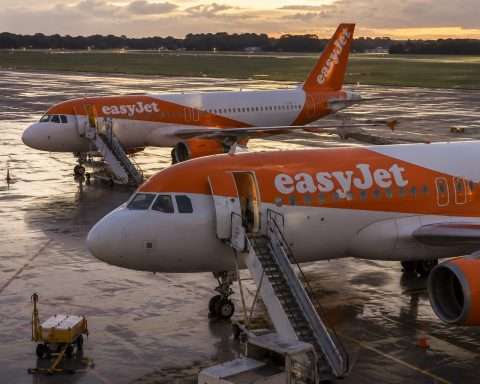
easyJet plc edged down in London, hovering just above 500p as traders balanced ongoing bid rumors with questions about summer demand. The latest Hargreaves Lansdown quote had easyJet off 0.70p, or 0.14%, giving the group a market cap around £3.73 billion and a P/E of 7.53. That figure puts easyJet’s valuation below many peers, but some investors remain cautious on the airline’s profit outlook. Shares underperformed the FTSE 250, which inched up 0.08%. HL
The company’s latest action is still all about the ongoing takeover and not new trading updates. Two new Rule 8.3 disclosures from Barclays and M&G landed on Tuesday. Investors with more than 1% must file those under the U.K. Takeover Code during a bid. TradingView The share price is reflecting a deal premium—if Castlelake goes ahead, the market may expect a bump; if they pull out, that premium could evaporate fast.
Bullish arguments for easyJet EZJ.L remain. The airline has a strong short-haul network, valuable slots, a growing holidays business and what management calls a healthy balance sheet. For the half-year, easyJet reported £4.7 billion in liquidity, £434 million net cash, and £5.0 billion of owned assets. The holidays unit delivered £61 million headline profit before tax, with customers up 22%. CEO Kenton Jarvis said, “easyJet is not seeing any disruption to fuel supply, we continue to operate normally,” citing a 90% load factor.
The bear case is still in play. easyJet’s headline loss before tax for the first half widened to £552 million, up from £394 million a year ago. The airline said its second half faced pressure from the Middle East conflict, with increased fuel costs and less forward visibility. Forward bookings have shifted later, and H2 airline bookings are 58% sold, a decrease of 2 percentage points year over year. CASK—cost per available seat kilometre—went up 5% in the first half, including £25 million more in fuel costs in March, easyJet said.
Fuel is still the swing factor past the bid. Reuters said Tuesday that oil slid about 4%, with Brent falling under $80 a barrel, hitting levels not seen since March. Traders were looking at the chance for a U.S.-Iran deal and more crude moving through the Strait of Hormuz. Reuters Cheaper oil would usually be good for airlines, with fuel among their highest costs. Still, easyJet’s latest update spelled out the risk: it’s hedged 72% of H2 FY26 jet fuel at $726 a ton, and a $100 per ton change shifts fuel costs by about £35 million.
easyJet shares are still seen as possibly cheap, but they come with risk. Morningstar analyst Loredana Muharremi lowered the stock’s fair value estimate to £5.74 from £6.70, pointing to less certainty around earnings because of late bookings. Even so, Morningstar said the shares were undervalued in its note. Morningstar For now, the stock trades between valuation support and event-driven risk. The next key date is the Castlelake deadline on June 26. Then, attention shifts to easyJet’s Q3 report on July 23, which should give more detail on summer fares, late bookings, fuel costs, and whether the holidays unit is still making up for some weakness in the airline business. The Takeover Panel