
LONDON, June 17, 2026, 09:20 BST
- Rio Tinto dropped roughly 1.6% in London, underperforming the softer FTSE 100.
- Macquarie sticks with its neutral call, citing valuation after the stock’s run-up.
- India and Southeast Asia are where growth is, but China is still the risk.
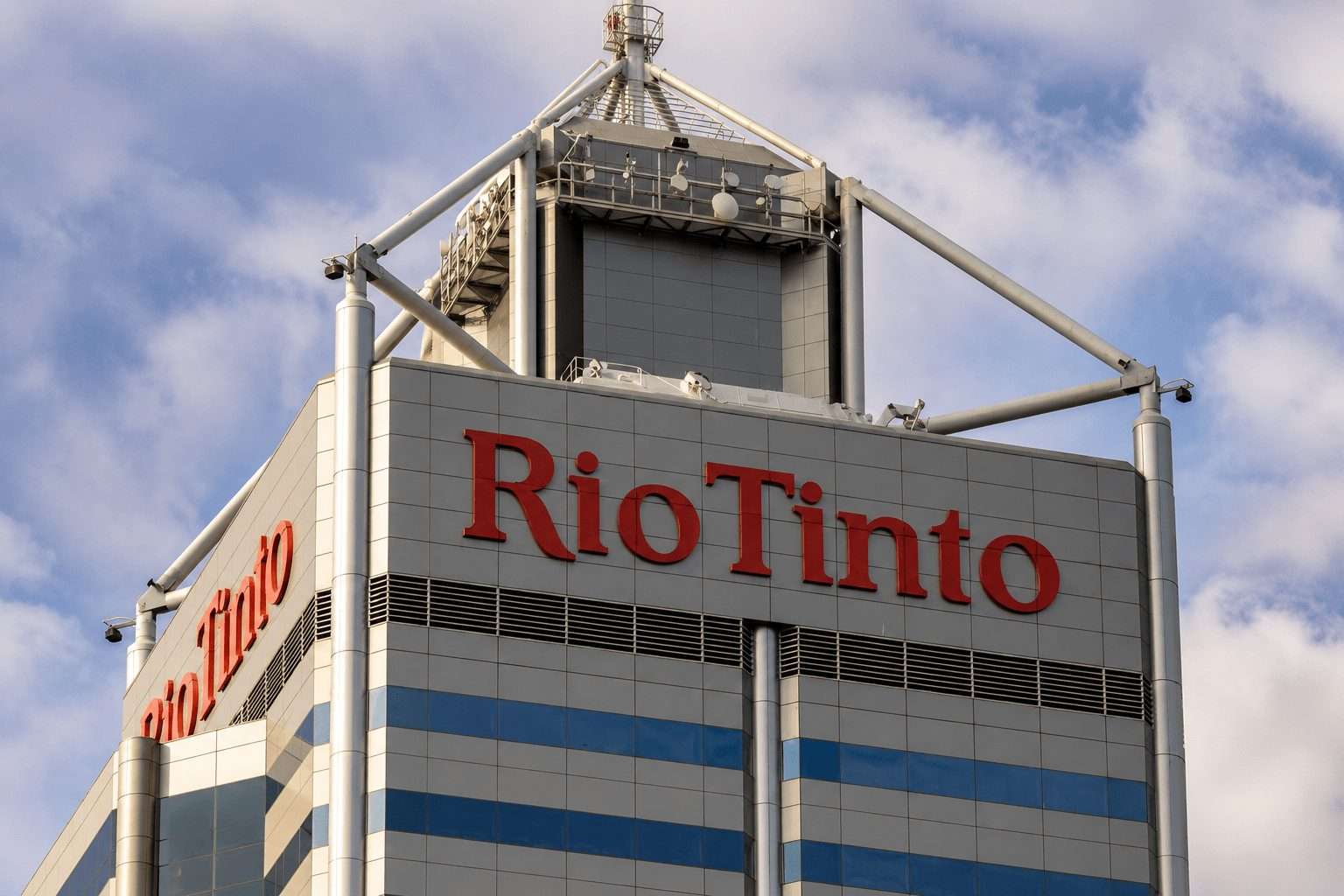
Rio Tinto plc slipped in early London trade Wednesday, lagging behind the UK market. Shares traded at 7,763 pence, down 1.63%. The FTSE 100 eased 0.22% to 10,471 points as investors pulled back from big mining names.
The shift happened in regular London trading. The London Stock Exchange opens at 8:00 a.m. and closes at 4:30 p.m. local. That puts the market just over an hour into session at the dateline.
Valuation weighed in the short term. Macquarie cut Rio Tinto to Neutral from Outperform in Australian analyst tables out Tuesday, though it bumped the target price to A$188 from A$186. Neutral in market terms signals a hold, not a buy or sell.
The downgrade came while miners talked up demand from outside China. Reuters said Tuesday that top iron ore names now see growth in India and Southeast Asia. India has a target to raise steel output to 400 million tonnes by 2035-36, from the current 168 million tonnes.
Rio Tinto’s Chief Commercial Officer Bold Baatar told The Economic Times the next decade will likely see “substantial demand growth from the Global South, especially from India and Asean.” BHP’s Michiel Hovers, after a visit to India, told the outlet: “All our customers are doubling capacity.” The Economic Times
Commodity prices were uneven. Iron ore, Rio’s key profit driver, dropped to $101.66 a tonne on June 16, down 8.03% for the month. Copper traded at $6.52 a pound Wednesday, holding near its highs.
BHP’s London shares dipped 0.35% to 3,436/3,439 pence. Anglo American and Glencore ticked a bit higher, not far from flat. Rio lost more ground than the rest of the big London miners traders watch as benchmarks.
Rio is still one of London’s leading commodity stocks, running iron ore, aluminium, copper and minerals businesses in over 35 countries. Reuters company data shows Rio’s Pilbara iron ore business in Western Australia has more than 18 mines and four separate port terminals.
The risk is that investors may have to wait longer for the demand shift to play out. China takes around three-quarters of global seaborne iron ore. Reuters Open Interest noted official data showing May imports down 6% from April, with Chinese steel output off 4.1% for the first four months. If China softens more, India’s growth likely won’t be able to offset more earnings pressure.