
London, June 17, 2026, 10:03 BST
- Shell fell early in London as oil majors slipped after crude dropped for a second day.
- Brent closed at a three-month low as word of a U.S.-Iran interim deal sparked hopes supply could return via the Strait of Hormuz.
- Investors are watching Shell’s dividend and the $3 billion buyback, which is on hold after the ARC Resources deal.
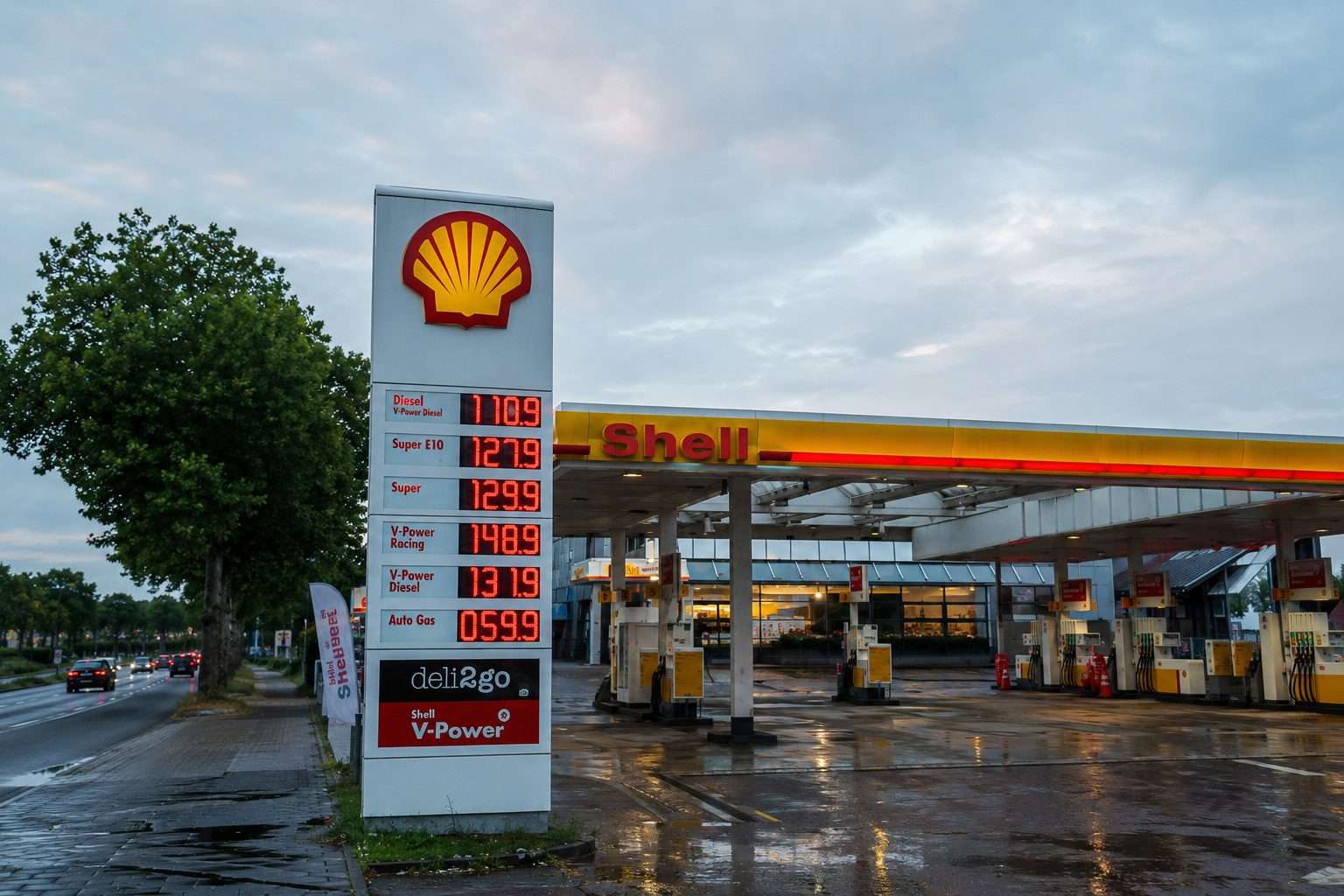
Shell Plc shares dropped in early London trading on Wednesday, following crude prices lower. Investors looked again at the premium in oil majors after the Middle East supply jolt.
The stock was down 0.7% at 3,046 pence as of 9:50 a.m. BST, after opening trading at 3,049.5 pence. Shares hit a session low of 3,020 pence earlier, according to market data.
Shell’s appeal to investors is tied to how much cash it throws off, which in turn relies on oil and gas prices. When crude falls, it can cool inflation for the wider market, but it also knocks down cash flow hopes for producers. Those same companies had earlier benefited from uneven supplies through the Strait of Hormuz.
Brent crude ended down 5.1% at $78.96 a barrel Tuesday. West Texas Intermediate dropped 5.8% to $76.05. Reuters said those finishes were the lowest for Brent since March 2 and for WTI since March 4.
Crude oil prices are dropping on bets the Strait of Hormuz could reopen, Bob Yawger, director of energy futures at Mizuho, wrote in a note quoted by Reuters. Reuters said roughly 20% of global oil supply shipped through the strait before the conflict.
Energy stocks took a hit across the board. Shell slid 5.2% in Europe and BP lost 4.5%, Reuters said Monday. U.S.-listed Exxon Mobil and Chevron dropped too as traders saw less risk of disruption.
UK stocks outperformed. The FTSE 100 added ground Tuesday, boosted by financials and industrials as oil prices fell, Reuters said. That gap shows the shift playing out: falling energy prices are a drag for oil companies, but can support consumer names and stocks that move with interest rates.
Shell published updated dividend information this week. The company told investors that shareholders with valid currency elections will get the first-quarter interim dividend at $0.3906, €0.3381 or 29.18 pence per ordinary share. A dividend is a cash payout to shareholders.
Buybacks are still in play. Shell said last week it would pause its $3 billion share buyback until July 14, citing securities-law rules tied to its $16.4 billion planned ARC Resources deal and ARC’s upcoming shareholder vote. The acquisition requires at least 66% approval, according to Reuters.
SHELL’s ARC deal is more than a financial play. ARC produces around 60% natural gas and 40% oil liquids. Its fields are close to Shell’s holdings that supply LNG Canada, the LNG project where Shell owns a 40% stake. LNG is natural gas turned into liquid for shipping.
Trade direction may change fast. Ashley Kelty at Panmure Liberum told Reuters markets will likely bake in plenty of optimism, but flows probably won’t get back to pre-war numbers for a while. If Hormuz shuts again, crude prices could bounce, which would help Shell. But if oil comes back quicker and Shell keeps the buyback on hold, there’s less for the stock to hang onto in the near future.