
SYDNEY, June 18, 2026, 05:02 AEST
- Woolworths ended at A$37.78 on Wednesday, down 1.25%. Shares changed hands between A$37.73 and A$38.20.
- S&P/ASX 200 closed up 0.54% at 8,966.30. The grocer dropped while the rest of the market moved higher.
- Woolworths’ sales bounce has investors considering higher fuel costs, price cuts and ongoing cost-cutting.
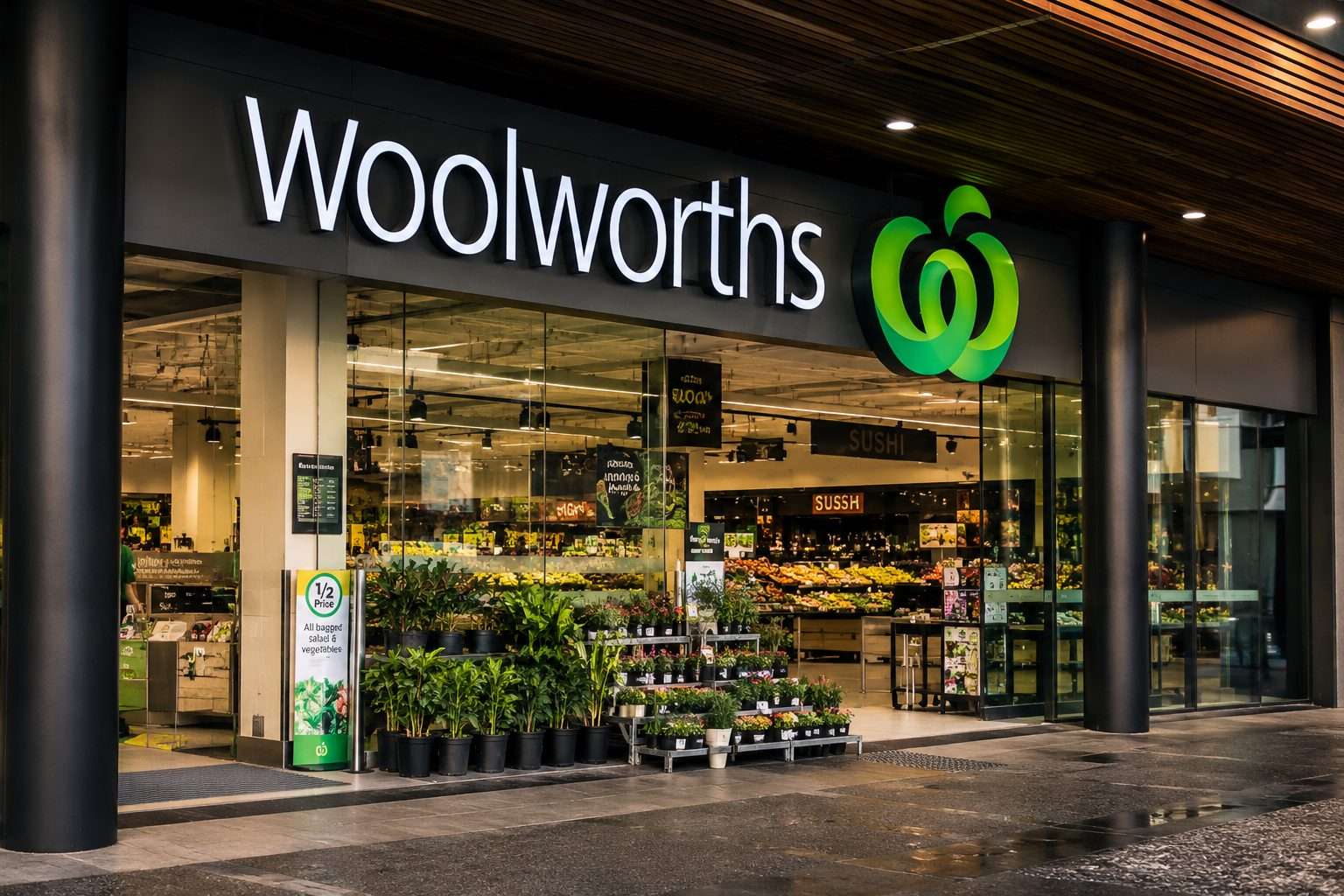
Woolworths Group Ltd shares dropped in the last ASX session, trailing the Australian market, as investors set aside the grocer’s defensive profile and eyed margin pressures.
Woolworths ended Wednesday at A$37.78, trading between an intraday high of A$38.20 and a low of A$37.73, according to the company’s investor page. The ASX hadn’t reopened as of the dateline. Exchange hours are just before 10 a.m. to 4 p.m. Sydney time.
That lag is more noticeable now, with the broader market heading higher. The S&P/ASX 200 added 49 points, or 0.5%, to 8,966 on Wednesday. The benchmark stretched its rally to a fourth session as local shares found support from weaker oil prices and steadier global risk mood.
Woolworths didn’t post any new price-sensitive filings in the latest session. The only entries this week on the ASX were routine securities notices. The last price-sensitive release was the third-quarter sales update on April 30.
Update holds as main benchmark. Woolworths reported third-quarter group sales up 4.5% to A$18.1 billion, driven by a 5.9% increase in Australian Food. Group e-commerce sales jumped 20.2%. CEO Amanda Bardwell said sales momentum was better but warned about “higher fuel costs and secondary effects” adding to inflation risks.
The company lowered its outlook for Australian Food earnings. It’s still projecting mid- to high-single-digit EBIT growth for fiscal 2026, but not at the top of that range. The company pointed to higher fuel costs and spending on price cuts.
Cost cutting is now more urgent for Woolworths. The company is looking at offshoring hundreds of corporate roles, ABC News said last week. Jobs hit include People, IT and Finance, as Woolworths tries to simplify operations and keep up with quick-moving overseas competitors.
Coles Group slipped 1.32% to A$23.12. Wesfarmers ticked up 0.27% to A$85.49. Google Finance data showed the two moved in opposite directions as Woolworths’ peers.
Woolworths’ rebound has narrowed the valuation gap. MarketScreener’s analyst consensus now puts the average target price at A$34.88, which is under the most recent close. The stock still holds an “outperform” mean rating from 15 analysts. MarketScreener
But the next move isn’t clear-cut. Lower fuel costs can take pressure off freight and suppliers, and price cuts might keep customers coming back. The trouble for earnings comes if oil jumps again, inflation hangs on, or discounting picks up. UBS equity strategist Richard Schellbach said markets have relaxed on oil and inflation, but UBS is “sceptical on both.” Theaustralian