
London, June 18, 2026, 12:05 BST
- Lloyds dropped 0.7% to 105.08 pence. NatWest and Barclays were down too.
- Bank of England kept its main rate steady at 3.75% after a 7-2 vote.
- FTSE 100 dropped nearly 0.9%. Lloyds’ strategy update set for July 30 is up next on the corporate calendar.
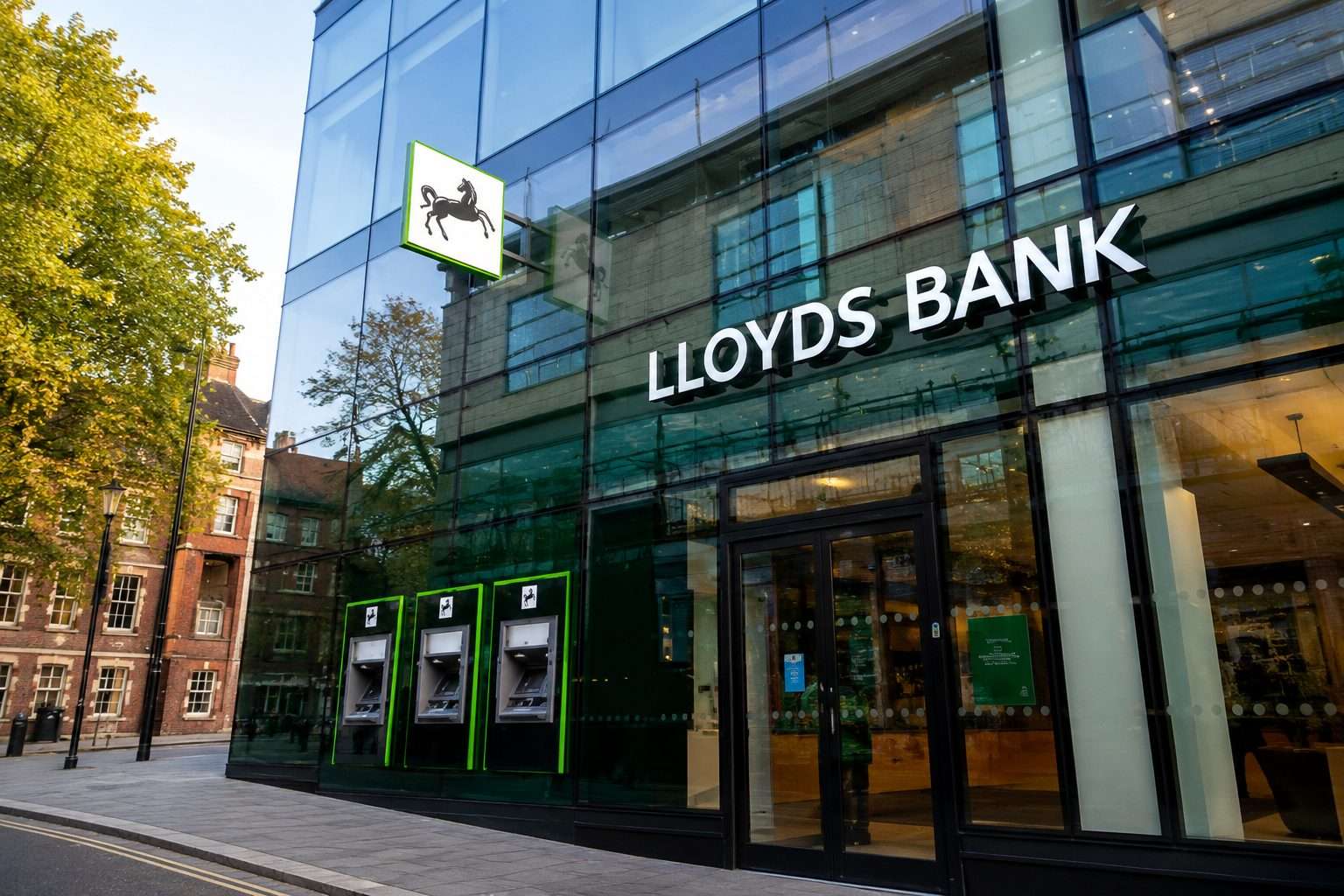
Lloyds Banking Group was down 0.7% at 105.08 pence as of 12:04 BST on Thursday. The stock opened at 105.85p. NatWest dropped 0.9% and Barclays dipped 0.4%. The moves suggest UK banks are under pressure rather than Lloyds standing out.
Lloyds is especially sensitive to the rate call since most of its business is with UK retail and commercial customers. Bank Rate moves hit deposit rates, mortgage demand, and the net interest margin, which is what Lloyds makes on loans minus what it pays to fund them.
Bank of England’s Monetary Policy Committee kept Bank Rate at 3.75% after a 7-2 vote. Two members backed a hike to 4%. Uncertainty about how big or long the Middle East energy shock will be was a main concern for most. Consumer-price inflation is at 2.8%, down for now, but the Bank expects it to rise again later this year.
FTSE 100 fell 0.94% to 10,410.01 at 10:16 GMT, as the broader market slipped ahead of the decision. Financials and materials were among the major losers. Lloyds gave back some of Wednesday’s 1.7% advance, falling on Thursday.
Jobs data out today added fuel to the rate hike debate. Wages without bonuses rose 3.4% over the three months to April, topping the 3.2% estimate. Unemployment dipped to 4.9%. But private-sector regular pay slowed to just 2.9%, the lowest since the end of 2020.
James Smith, developed-markets economist at ING, said “the details still look dovish for the Bank of England.” He said it’s “far from clear cut” that the case for higher rates is there. Reuters
Energy prices are still the main unknown. HSBC economist Chris Hare said the Bank of England may not need to hike rates if the Strait of Hormuz opens back up soon and inflation elsewhere doesn’t pick up. Lloyds would keep its lending yields if rates stay flat, but deposit and mortgage competition would keep dragging on margins.
But there are risks on both sides. If energy prices jump again or wages move into prices faster, rates could go up, which helps loan yields but makes mortgages tougher to get and less affordable. If the economy weakens, credit losses could climb. Lloyds took a £151 million charge tied to the Iran war’s possible impact on the economy in the first quarter. Pretax profit still rose 33% to £2 billion.
Lloyds reports half-year numbers and an updated strategy on July 30. Investors will be watching for signals on its profitability targets, and whether competition in mortgages, higher funding costs or credit risk are starting to weigh.