
Sydney, June 20, 2026, 02:02 AEST
- Commonwealth Bank closed Friday at A$162.40, up 0.1% for the session and 1.8% over the week.
- The S&P/ASX 200 fell 0.92% to 8,828.70 on Friday, though the benchmark gained about 2.1% for the week.
- CBA named separate information and technology chiefs, while investors face fresh Australian inflation data on Wednesday.
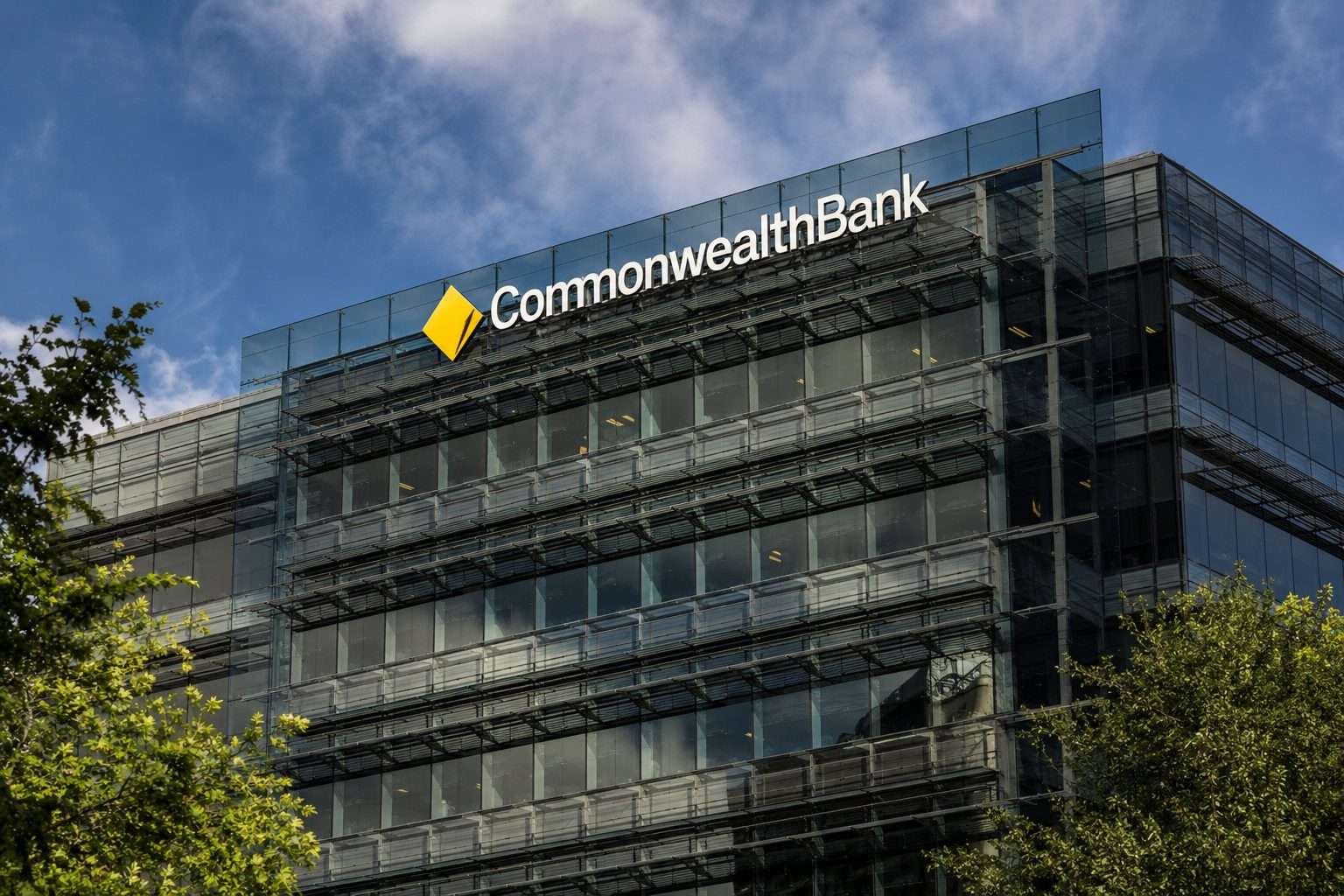
Commonwealth Bank of Australia shares edged higher on Friday, bucking a broad market decline after the lender divided oversight of its technology operations between a new group chief information officer and group chief technology officer. Victoria Ledda and Rodrigo Castillo will take the respective roles from July 1, subject to regulatory approval. Chief Executive Matt Comyn said the bank remained focused on delivering “better, safer and more resilient technology for customers.” Australian Financial Review
The modest gain matters because CBA carries about A$272 billion in market value and trades at roughly 26 times trailing earnings. At that valuation, investors need evidence that spending on artificial intelligence, digital platforms and security will improve service or efficiency rather than simply lift costs.
Ledda will oversee technology strategy and delivery within CBA’s businesses. Castillo will run the underlying engineering, security and AI systems. The split creates clearer accountability as banks build more automated services while facing higher cyber and operational risks; ANZ has also created a senior data and AI role.
Interest rates remained the bigger force on the shares during the week. The Reserve Bank of Australia left its cash rate at 4.35% on Tuesday, pausing after three increases this year, but said inflation was still too high and another rise remained possible.
Stephen Smith, a partner at Deloitte Access Economics, described the outlook as “very cloudy”. Harry Murphy Cruise, head of economic research at Oxford Economics Australia, said the inflation shock “cannot simply be put back in the bottle”, warning that higher transport and input costs were still reaching consumer prices. Reuters
For CBA, the rate debate cuts both ways. Its first-half cash profit rose 6% to A$5.45 billion, helped by lending and deposit growth, but net interest margin slipped to 2.04%. Net interest margin is the difference between what a bank earns on loans and pays for deposits and other funding. CBA also reported higher operating expenses, partly because of continued technology investment.
Investors now turn to May inflation figures. Annual consumer-price growth eased to 4.2% in April from 4.6%, but trimmed-mean inflation — a measure that removes unusually large price moves — rose to 3.4%, still above the RBA’s 2%-3% target range.
The May consumer price index is due at 11:30 a.m. AEST on Wednesday, June 24. A stronger reading would probably revive expectations of another rate increase, potentially helping bank lending spreads at first but adding pressure on mortgage demand, household spending and borrowers’ repayment capacity. A softer number would ease those credit risks, though it could also narrow expectations for future margins.
But the downside case remains clear. Another inflation-driven rate rise could arrive as housing credit slows and provisions for bad loans increase, while CBA continues funding a costly technology programme. Australian bank shares have already lost some support as investors weigh weaker mortgage growth, higher impairment charges and tighter financial conditions.