
Perth, June 20, 2026, 05:03 AWST
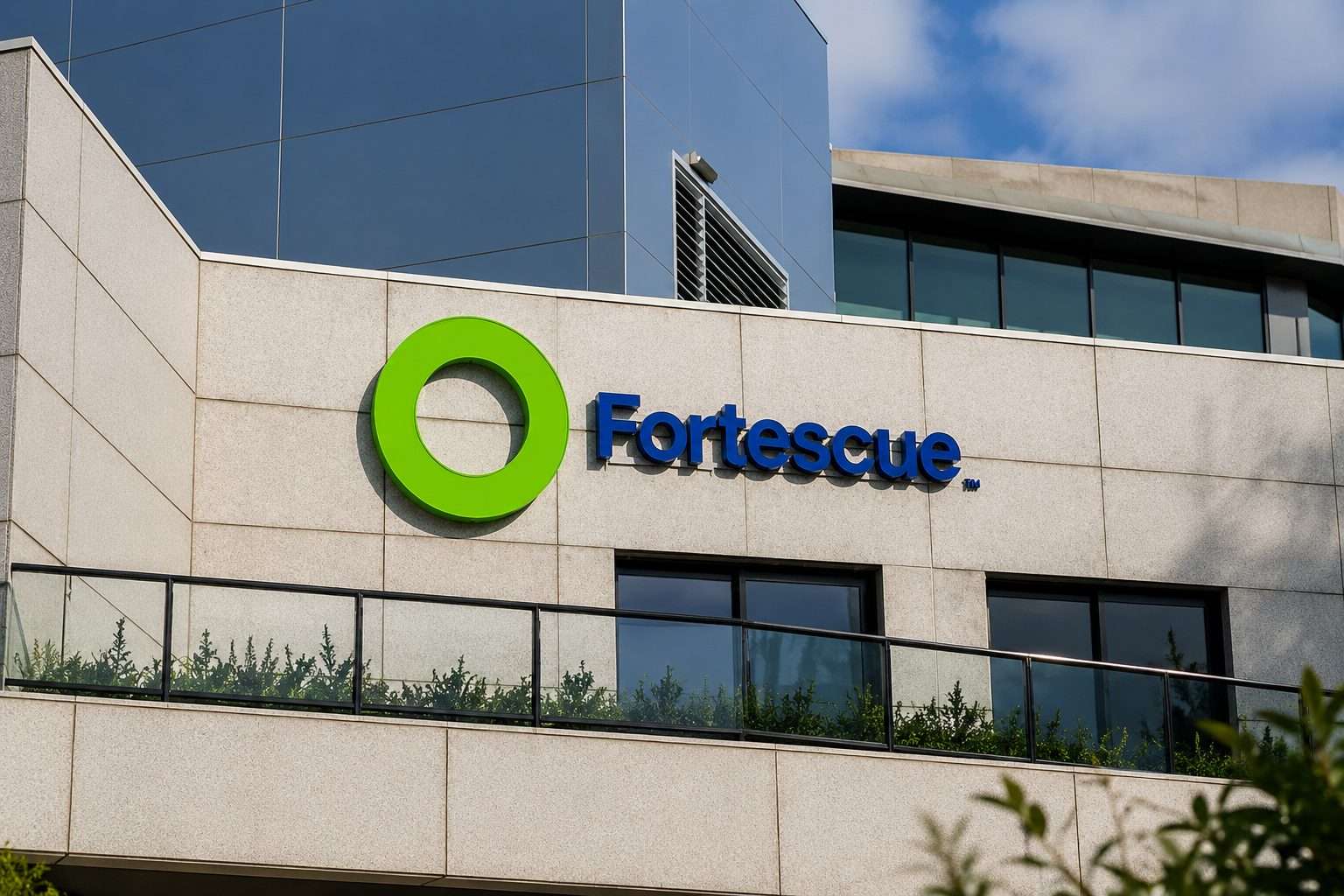
- Fortescue ended Friday at A$19.75, losing 1.1% on the day and slipping about 2.3% for the week.
- BHP’s selloff weighed on Australia’s materials sector, which slipped 4.03% on Friday. The losses pulled the S&P/ASX 200 down 0.92% to finish at 8,828.70.
- Fortescue’s next production report is set for July 31. Until then, iron-ore prices and contract talks with China are likely to steer the stock.
Fortescue Ltd closed the week at A$19.75. The stock dropped four sessions in a row after a rally on Monday tied to commodities. On Friday, Fortescue lost 1.1%. It finished near the day’s low of A$19.58, with volumes at 9.6 million shares.
The decline is notable since the wider Australian market still managed a roughly 0.3% weekly gain. The S&P/ASX 200 jumped at the start of the week before giving back most of those gains in the next four days, ending Friday at 8,828.70, up from 8,804.00 last week.
Mining stocks led the slide Friday. BHP fell 5.6% after it reported higher costs and took a writedown at its Jansen potash project. Rio Tinto gave up 3.1%. Fortescue slipped too, though losses were less steep. The sharp selling showed how quickly traders move out of miners when cost worries and questions about commodity demand flare up.
Iron ore keeps its spot as the most direct indicator for Fortescue. The benchmark was last at about US$101.14 a metric ton on June 18, steady for the day but down over 8% from a month earlier. That has weighed on revenue forecasts, with Fortescue still relying on Pilbara iron-ore shipments.
Fortescue didn’t post any new earnings or operating update to drive Friday’s action. The most recent formal ASX filing in its investor register was a May 25 notice about board changes. The shares moved on commodity pricing, news from peers, and the China demand story.
China is still the tougher company-specific story. Reuters said this month that state buyer China Mineral Resources Group has been pushing miners for better terms and told some steelmakers not to talk with Fortescue about its Fortune Fines product. Metals and Operations CEO Dino Otranto described the talks as an “arm wrestle”. First shipments of the lower-grade Fortune Fines are due in July. Reuters
Outlook for longer-term demand doesn’t look as bad. Mining execs at an industry event this week pointed to higher steel use in India and Southeast Asia as a possible offset for weak China numbers. Rio Tinto’s commercial head, Bold Baatar, said there’s a “looming supply gap” and estimated it at 650 million tons by 2035, including new output from Simandou in Guinea. Reuters
The thesis isn’t much help when it comes to next quarter’s prices. Investment in green steel is also still small; planned projects for 2030 would be less than 4% of global steel output, according to Reuters commodities columnist Clyde Russell. That leaves Fortescue facing a slower path to commercial gains from its green-iron push than its own demand outlook suggests.
Fortescue kept its fiscal 2026 shipment forecast at 195 million to 205 million tons in the latest quarter. The company lowered its Iron Bridge target to 9 million to 10 million tons. C1 cash cost climbed more than 4% to US$18.29 per wet metric ton during the March quarter.
Risks still cluster around Fortescue. The company’s chief products usually have lower iron content than the 62% standard, so discounts can widen if Chinese steel mills see thinner margins. Margins trail those at BHP and Rio Tinto, leaving Fortescue’s cash flow and dividends more exposed to shifts in iron-ore prices and contracts.
Iron ore’s grip on the US$100-a-ton mark will face pressure when trading restarts, as traders look to China’s next move in its bargaining campaign—more restrictions or a deal. No Fortescue event is scheduled next week, leaving the commodity markets to drive momentum.