
LONDON, June 20, 2026, 14:12 (BST)
- Shell closed Friday at 2,993.5 pence, up 1.1% on the day but down about 7.0% for the week.
- Brent crude settled at $80.57 a barrel, recording a 7.7% weekly fall.
- Shell’s $3 billion share-buyback programme remains paused through July 14 ahead of ARC Resources’ shareholder vote.
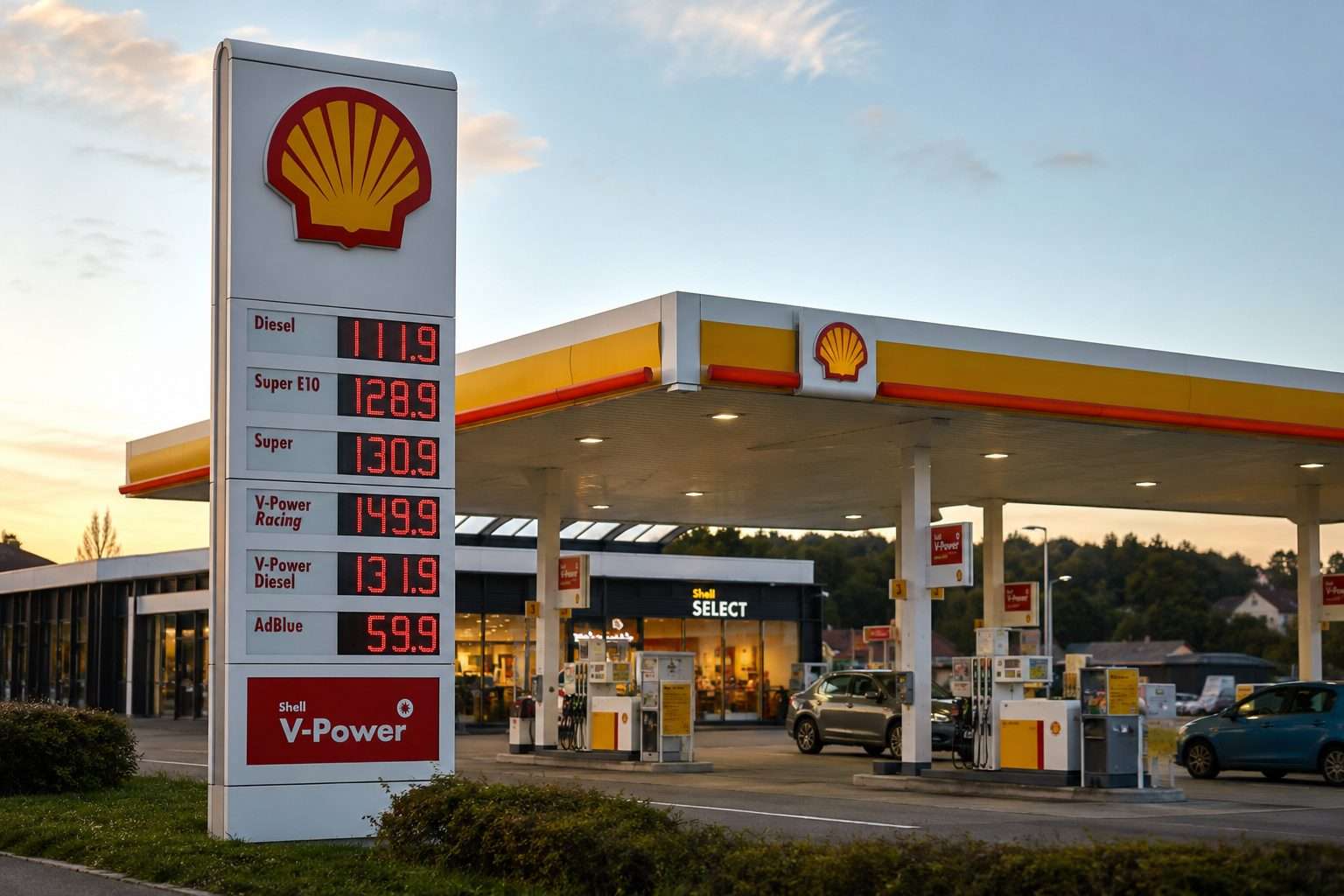
Shell shares ended a bruising week with a modest rebound on Friday, rising 1.1% to 2,993.5 pence after declining during each of the previous four sessions. The stock lost 7.0% from its June 12 close of 3,220.5 pence. London trading was closed on Saturday.
The fall reflected a sharp reversal in the oil market rather than a fresh deterioration in Shell’s operations. Brent, the global crude benchmark, rose 0.9% on Friday but still lost 7.7% over the week as traders removed part of the extra price attached to supply risks around the Strait of Hormuz.
The wider FTSE 100 declined 0.35% on Friday and about 1% for the week. Energy stocks provided some support in the final session: BP gained 2.8%, more than twice Shell’s rise, as crude recovered from its weekly lows.
The price pattern suggests Friday’s move was a sector rebound, not yet a change in trend. Shell remains sensitive to each shift in the U.S.-Iran negotiations because lower crude prices reduce upstream revenue, while less market volatility can also curb unusually strong gains from oil and gas trading.
A company-specific overhang also remains. Shell has suspended its $3 billion buyback while securities rules connected with the ARC transaction apply. A buyback involves purchasing and cancelling shares, which reduces the number outstanding; the pause temporarily removes a regular source of market demand. Shell said purchases missed during the suspension could be included in later 2026 programmes, subject to board approval.
The planned $16.4 billion acquisition of Canada’s ARC Resources is Shell’s largest deal since it bought BG Group in 2016. It would add about 370,000 barrels of oil-equivalent output a day — a measure combining oil and gas production — while roughly 75% of the purchase price would be paid in Shell shares. That keeps dilution, deal approval and execution costs in investors’ calculations.
Oil markets remain quick to react. “The slightest sort of disturbance is going to register in the market,” Again Capital partner John Kilduff said after renewed uncertainty around the regional ceasefire. About 20% of the world’s oil moved through Hormuz before the war. Reuters
Chief Executive Wael Sawan has argued that the longer-term supply picture is less bearish, saying “all the easy oil and gas has been found.” He expects growing demand and the rising cost of developing new reserves to put upward pressure on prices over the next five to 10 years. Wall Street Journal
But the near-term trade cuts both ways. Faster passage through Hormuz and recovering Gulf production would probably put more pressure on crude and Shell’s earnings. A slow, uneven restart could support prices, though it would leave the company exposed to further geopolitical shocks; industry assessments suggest the full energy-market reset may take months rather than days.
No quarterly Shell results are scheduled during the June 22-26 trading week. The next dated corporate events are the first-quarter dividend payment on June 29 and second-quarter results on July 30. Until the buyback resumes or the company provides a fresh operating update, Shell’s stock is likely to trade mainly on oil prices, Hormuz shipping flows and the outlook for the ARC vote.