
London, June 20, 2026, 14:33 BST
- Unilever ended Friday at 4,363.5 pence, slipping 0.9% on the session. Shares fell around 0.5% for the week.
- The company talked up factory automation as a way to gain efficiency, but didn’t set a group-wide savings goal.
- Fresh unrest at the Strait of Hormuz could push commodity costs back into focus for traders next week.
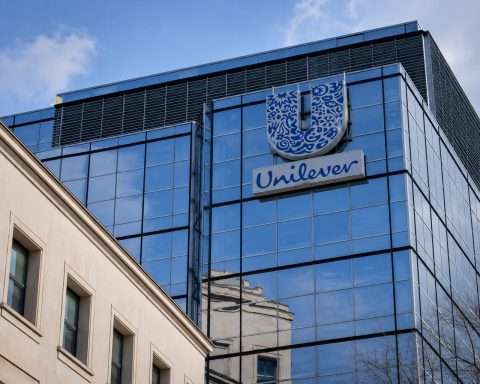
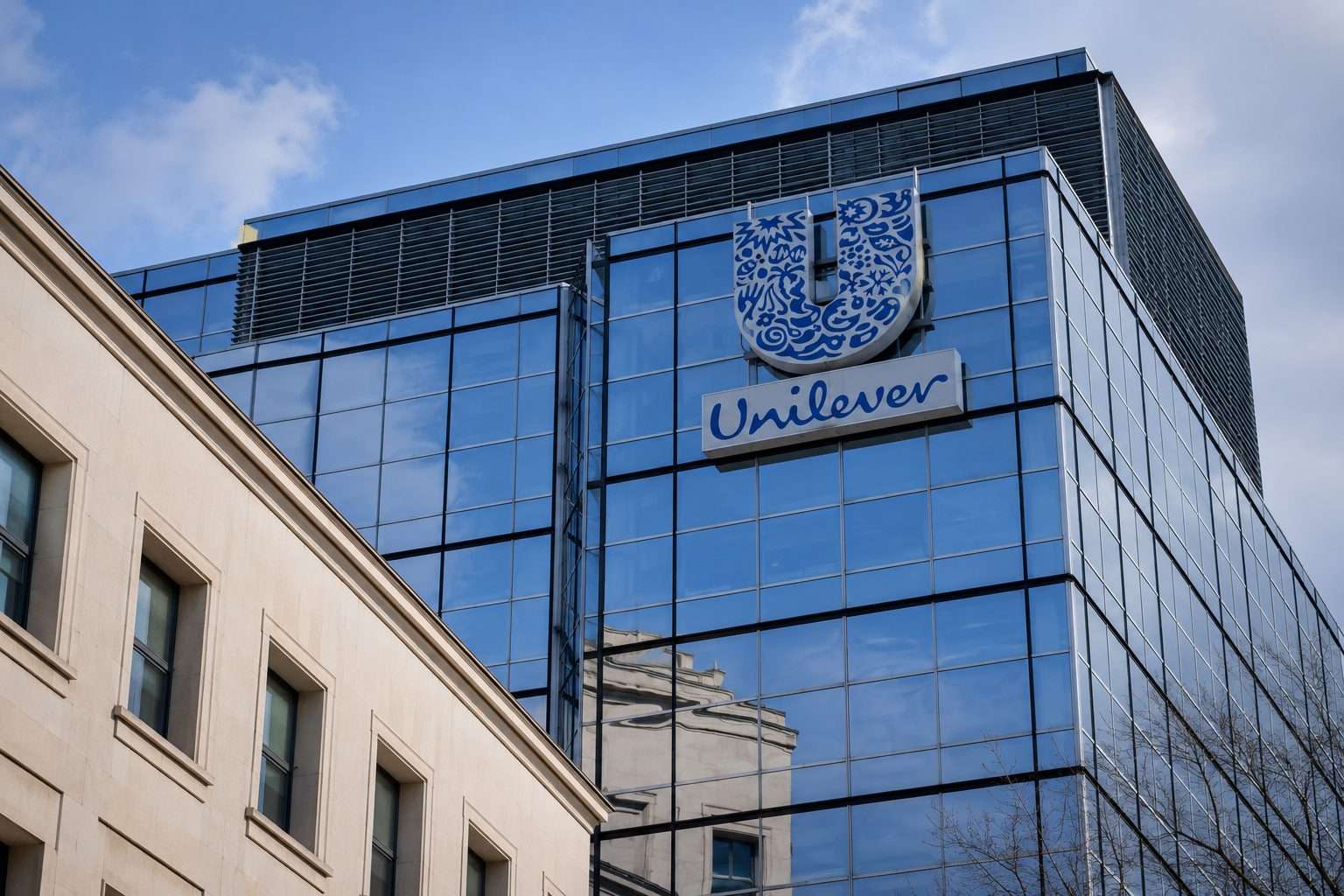
Unilever PLC closed at 4,363.5 pence on Friday, dropping 40 pence, or 0.9%. Shares in the Dove soap maker slipped about 0.5% for the week, measured from the June 12 close at 4,386 pence. Unilever outperformed the broader London market.
FTSE 100 posts weakest week since May, defensive names offer only partial support The FTSE 100 dropped 1% for its weakest week since early May. Stalled U.S.-Iran talks, political questions in Britain, and a more hawkish Bank of England hurt risk appetite. Unilever’s defensive profile limited some losses, but the stock still fell in Friday’s broader sell-off.
Unilever’s main update this week was a new plan with Accenture to roll out more than 40 AI-driven digital twins across factories in the next 18 months. Digital twins are live virtual models of machines or production lines used for testing and spotting issues. Unilever said its Raeford plant in the U.S. already uses a system that has cut waste by 20% and boosted capacity 10%. “The programme is turning innovation into measurable impact,” said Adam Raeburn-James, Unilever’s global vice-president for digital business operations. Unilever
Unilever is signaling to investors it’s doing more on costs than just cutting jobs or squeezing suppliers. But the news isn’t moving the earnings story yet. The company shared some details on factory targets, but didn’t say how much it expects to save across the group, what it plans to spend on implementation, or how margins might change.
The real challenge is pricing. First-quarter underlying sales growth hit 3.8%, topping the 3.6% analyst forecast. Management kept its 2026 targets. But the company now sees cost inflation of €750 million-€900 million. CFO Srinivas Phatak said there will be “frequent price increases but in small doses.” Chris Beckett at Quilter Cheviot said companies still face limits on pricing. Nestlé, Procter & Gamble and Reckitt have also signaled war-driven cost pressure. Reuters
Unilever faces execution risk as it pushes ahead with plans to merge its food unit with McCormick. The deal would value the new business around $65 billion, hand Unilever $15.7 billion in cash, and leave Unilever and its shareholders owning 65% of the equity. Chris Beckett called the deal “transformational for McCormick, but incremental for Unilever”. Investors remain unconvinced that breaking up the business will spur growth instead of just tying up management. Reuters
Strait of Hormuz closure threat raises oil price risks
Iran’s military said on Saturday it would close the Strait of Hormuz again to vessel traffic after citing alleged ceasefire violations. Brent crude settled Friday at around $80.40 a barrel, down roughly 8% for the week. A big swing back up for energy and petrochemical prices could push up costs for freight, packaging and home care just as Unilever gets set for more targeted price hikes.
Unilever is set to pay its first-quarter dividend of €0.4664 a share on June 26. No results are due for release next week. The company’s second-quarter and half-year numbers are set for July 28. In the meantime, shares could move more on oil, sterling, and how investors view the McCormick deal than on new earnings figures.