
London, June 20, 2026, 15:04 BST
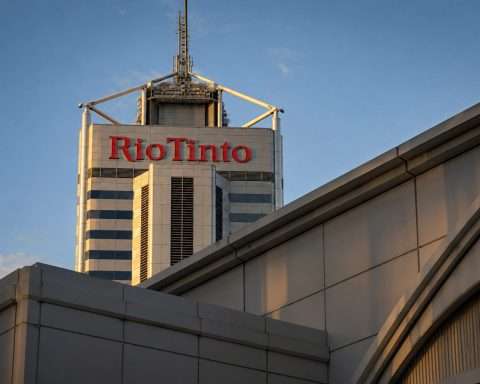
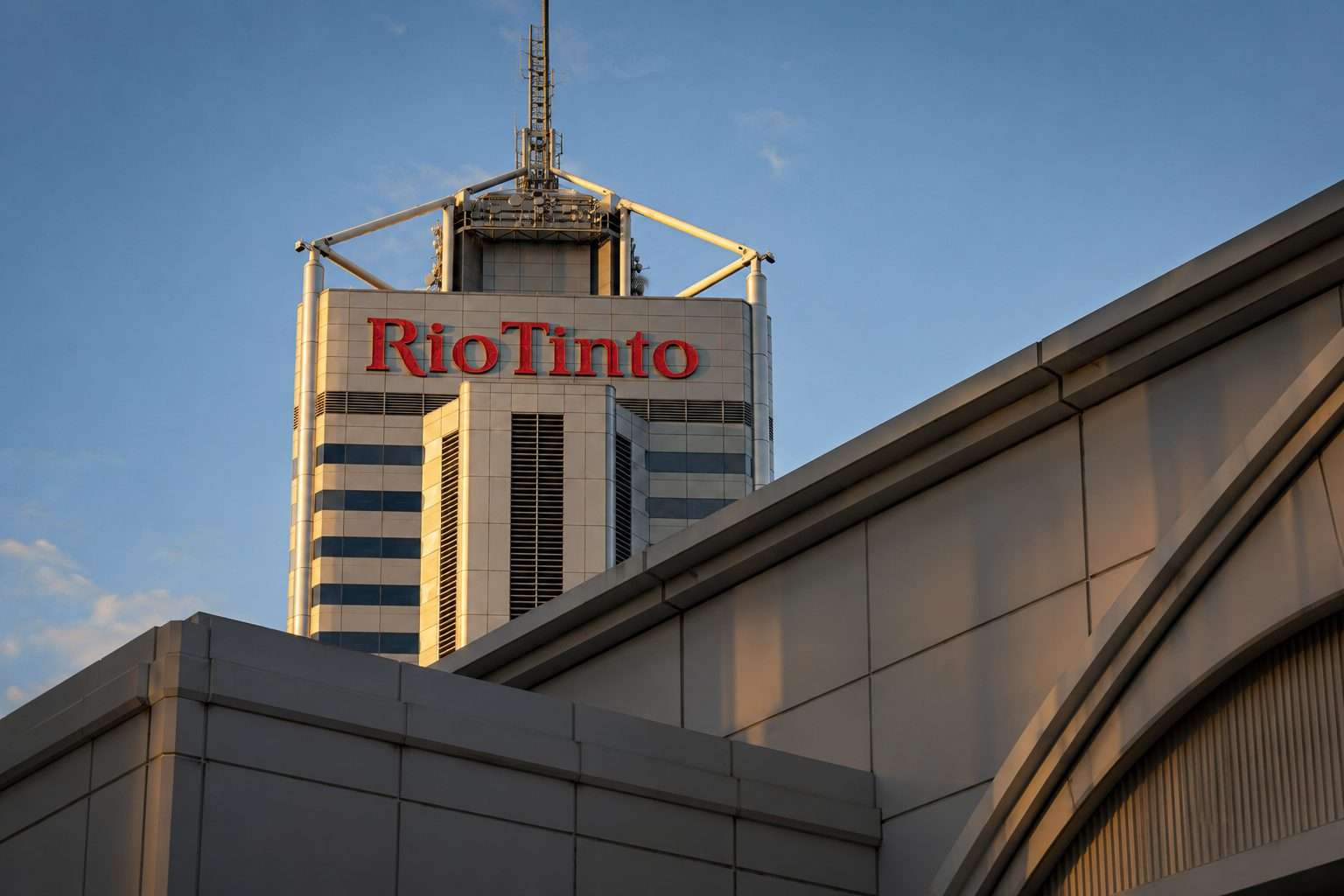
- Rio Tinto ended the day Friday at 7,394 pence, off 2.57%. The FTSE 100 dropped 0.4%. Rio shares shed about 5.4% for the week as the index slipped 1%.
- European mining stocks were the worst performers on Friday, with metals prices slipping. Anglo American fell 2.6%, matching Rio, while Glencore dropped 1.6%.
- Shipments of copper concentrate from Rio Tinto’s Oyu Tolgoi mine are back to normal after protests blocked exports on June 16 and 17.
Rio Tinto shares dropped 2.6% on Friday to 7,394 pence, capping off four straight days of losses. The stock is down 5.4% from its June 12 close at 7,814 pence and lagged the broader London market this week. The exchange is shut for the weekend.
Commodities pulled markets lower Friday, not earnings. Copper sold off as the dollar gained and traders braced for higher rates. Metals fell with the shift, and investors grew wary about industrial demand.
Short delay at Oyu Tolgoi mine gave a lift to the company. Protesters stopped trucks moving copper concentrate from the Mongolian site into China for two days, then shipments started up again. Rio Tinto holds 66% of Oyu Tolgoi and runs it, with the rest owned by the government of Mongolia.
The quick restart cuts into any production or sales hit for now. But the incident points to political and social risks that come with Oyu Tolgoi’s expansion, even as the project pushes for growth. The mine put out 345,000 tonnes of copper in 2025, with peak output aimed at roughly 500,000 tonnes per year.
BHP shares dropped 5.6% in Australia, after the company said it would take a $2.3 billion charge and flagged more cost increases at its Jansen potash project. That move and selling in BHP’s peers pressured the broader sector. “BHP’s slide was a direct reaction to climbing development costs,” said William Taylor, chief operating officer and portfolio manager at ETF Shares. He said the market is punishing these big project setbacks hard now. Reuters
Rio’s shares are moving mainly on iron ore and China news, not its copper, aluminium or lithium projects. Rio Chief Commercial Officer Bold Baatar said this week India and Southeast Asia’s steel demand growth should help make up for slow growth in China. Chinese steel demand is still set to fall again this year, Jinkui Zhao of the China Iron and Steel Association said.
China’s loan-prime-rate call on Monday will be one to watch. Reuters polled 30 respondents and all expect both the one-year and five-year rates to hold at 3.00% and 3.50%. Henry Hao at Commerzbank said Beijing still seemed hesitant on fresh stimulus even with softening demand at home. If policymakers surprise with easing, that could help miners. If not, traders may look again to commodities for cues.
But risks are still obvious. New disruption in the Middle East could push up diesel and freight costs again, and softening in Chinese construction would drag on iron ore. Baden Moore, head of resources and energy research at CLSA Australia, is pointing to jet fuel and diesel shortages as the main operational risk in the second half. Rio kept its 2026 Pilbara iron ore sales forecast unchanged at 323 million to 338 million tonnes.
Rio Tinto’s second-quarter operations review is set for July 15, the next company-wide production update. In the meantime, the stock will probably keep acting as a geared play on metals prices and Chinese demand, swinging harder than the index as sentiment shifts. Restarting Oyu Tolgoi takes out a short-term hurdle, but Friday’s close suggests that hasn’t shifted the market’s caution.