
Sydney, June 21, 2026, 23:05 (AEST)
- CBA ended Friday at A$162.40, up roughly 1.8% for the week. The S&P/ASX 200 finished with a 0.3% rise in the same period.
- Victoria Ledda is set to take over as group chief information officer and Rodrigo Castillo will become group chief technology officer, the bank said. Both appointments start July 1, pending regulatory signoff.
- Traders are waiting for Australia’s May inflation numbers due Wednesday, after the Reserve Bank kept its cash rate steady at 4.35% and signaled another hike is possible.
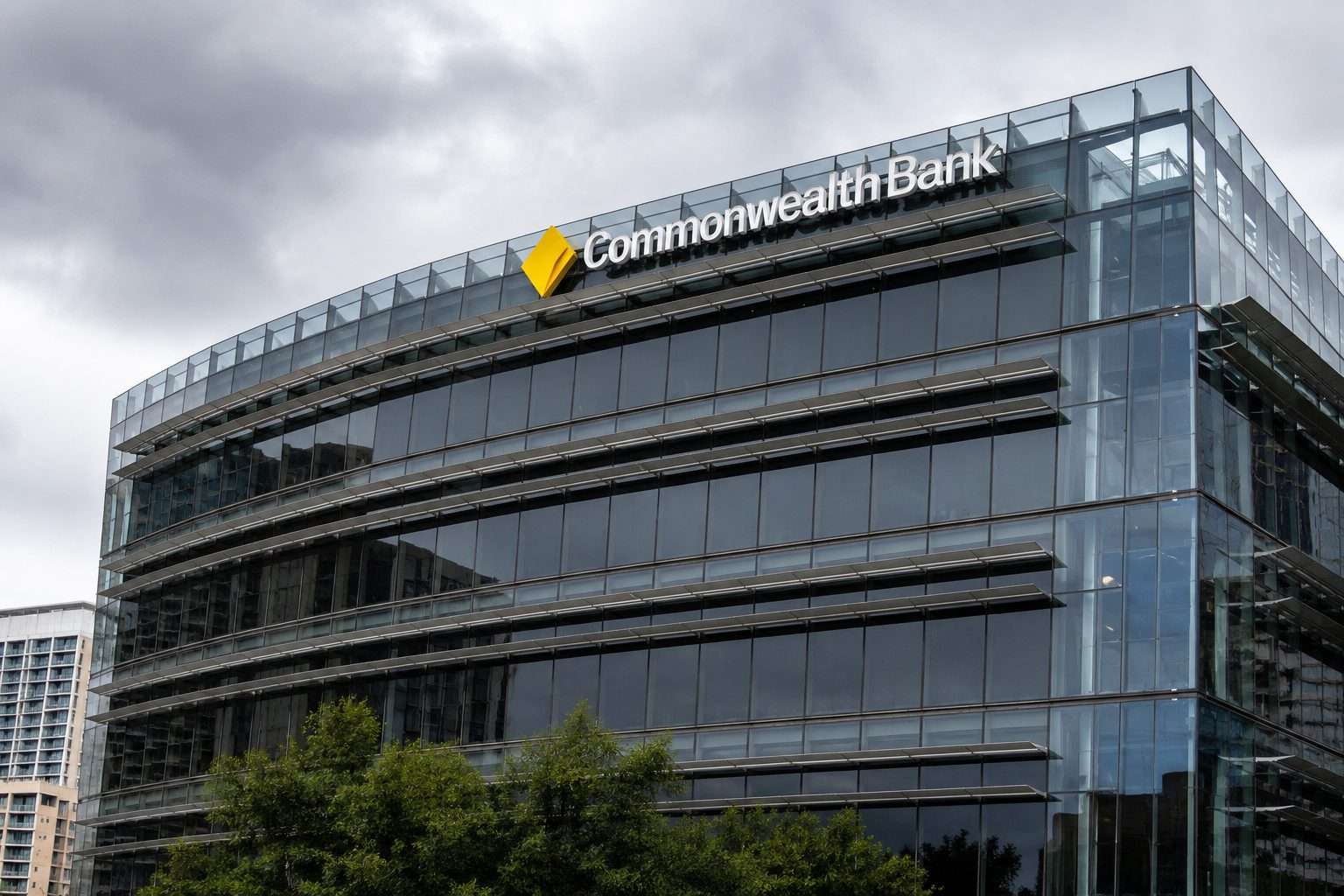
Commonwealth Bank of Australia starts the week at A$162.40, following a 0.1% rise on Friday as the main Australian index dropped 0.92%. Shares in the nation’s biggest lender by market value held firm, wrapping up what was a better week for the stock.
CBA is dividing top technology roles as it steps up moves in AI, data, and digital banking. While that’s a big shift for the bank, investors are focused on how inflation figures and the rate outlook will hit the stock, especially around mortgages and household stress.
Ledda is set to lead tech strategy and execution for the group. Castillo takes charge of core tech operations, covering engineering, security and AI. CEO Matt Comyn said the hires show a focus on “delivering better, safer and more resilient technology for customers.” Reuters
ANZ is bringing in Kai Yang as its first chief data and AI officer, starting in July. The hire comes as the sector ramps up. CBA saw operating expenses climb 1% for the quarter, pointing to higher cloud use, software licence costs and more money going into AI projects, which can push up spending before banks see clear savings.
Comyn warned earlier this month that banks could face unpredictable increases in corporate AI costs as models take on more complex work. He said firms would be “really scrutinising” spending, with rising pressure to show returns on AI investments. Reuters
Rates hold steady as the main focus. The Reserve Bank left the cash rate at 4.35% last Tuesday, following three hikes earlier this year. The board said inflation is still running high, despite some slowdown in consumer spending and housing. The board kept the door open for another hike if needed.
Household spending at CBA rose 0.2% in May from the month before and was up 4.5% year-on-year, according to the bank’s transaction data. But mortgage holders have started to pull back as bigger repayments hit. “Household spending is continuing to grow, despite a more uneven pattern in recent months,” CBA’s Belinda Allen said. The bank is not forecasting any rate moves through 2026 and sees two cuts in 2027. CommBank
But the risk on the downside is not gone. A stronger inflation number could push rate-hike bets up, hold back housing-credit growth and put more pressure on repayments. On the other hand, if the reading is weaker, rate risk might fall but that would mean household demand is slipping. CBA holds about 25% of Australia’s home loan market, so it is heavily exposed to swings in the housing cycle. Morgan Stanley banking analyst Richard Wiles said the sector’s “operating conditions for banks have shifted so quickly” as rates, housing policy and global energy risks converged. Reuters
Australia’s May consumer price data is due out from the Australian Bureau of Statistics at 11:30 a.m. AEST on Wednesday. The May household-spending indicator follows at the same time Thursday. Annual inflation was 4.2% in April; trimmed-mean inflation, which excludes outsize moves, came in at 3.4%.
CBA shares barely moved Friday after the management switch, showing investors aren’t betting on fast profit changes. The question now is if CBA’s bigger tech budget will mean cheaper operations or upgrades to security and service. Next week, inflation is what traders will focus on.