
Sydney, June 22, 2026, 01:11 (AEST)
- Aristocrat ended Friday at A$54.95, gaining 2.61%. The S&P/ASX 200 dropped 0.92%.
- The company put out its latest buyback update Friday. The larger program is set to last through May 2027.
- Traders are looking at Australian inflation numbers out Wednesday, ahead of Aristocrat’s investor briefing set for July 1.
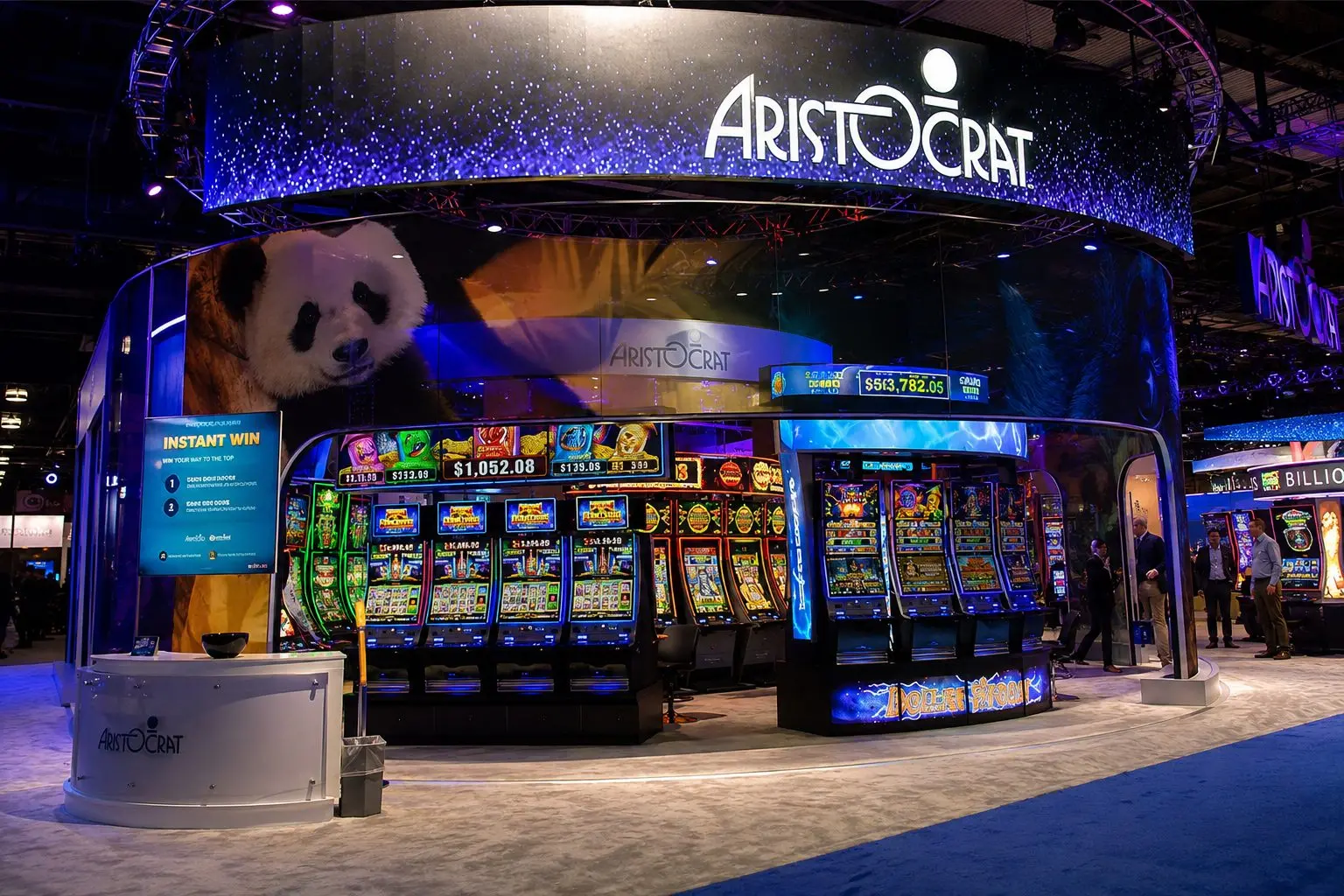
Aristocrat Leisure will start Monday’s ASX trade after shares climbed 2.6% to close at A$54.95 on Friday, bucking the benchmark’s 0.92% fall. The stock wrapped up at its session high, trading in a range from A$53.74 to A$54.95.
Aristocrat shares ended the week up 1.9%, easily beating the S&P/ASX 200’s 0.3% gain. Volume hit 5.22 million. Light & Wonder, the close competitor, dropped 2.0% to A$128.34 on Friday. That points to a move driven by Aristocrat itself, not a sector-wide push.
Aristocrat said in a filing it bought 172,923 shares on June 18, paying A$9.29 million. Price range was A$53.35 to A$54.41. Cumulative repurchases now total about 23.87 million shares for A$1.34 billion. The on-market buyback has approval for as much as A$2.5 billion and is set to run until May 12, 2027.
That puts about A$1.16 billion of buyback room still unused, but “up to” doesn’t guarantee the whole sum goes out the door. Share buybacks cut the share count, which can lift earnings per share, and mean there’s a steady buyer in the market. But buybacks don’t guarantee support for the share price.
Capital return comes as the company reported stronger underlying numbers. Normalised NPATA climbed 16.3% at constant currency to A$794 million for the six months ended March. NPATA is profit after tax before amortisation of acquired intangible assets. Constant currency excludes exchange-rate moves. CEO Trevor Croker in May said, “We remain committed to our capital management strategy and our on-market share buy-back program.”
Aristocrat Gaming said Thursday that its NFL Super Grand Champions slot game has gone live on North American casino floors, with expansion across the U.S. now underway. “A completely new take on our NFL-licensed slot games,” Gaming CEO Craig Toner said. Aristocrat Gaming
The buyback leaves execution risk on the table. Aristocrat Interactive’s first-half profit dropped 10.6% to US$64.3 million and its margin shrank to 27.9% from 33.2%. Core Gaming division margin also moved down a point to 54.2%. Longer digital payback or weaker land-based margins could cut into any lift from the repurchase.
Traders will see Monday if Friday’s outperformance sticks once regular trading kicks in. May consumer-price figures land Wednesday at 11:30 AEST and could move the outlook for Australian rates. Aristocrat’s next up is its July 1 investor briefing, with a 50-cent interim dividend set to be paid on the same day.