
London, June 22, 2026, 15:10 BST
- M&S shares sat at 359.5 pence for most of the session, up 3.3%. The FTSE 100 gained 0.6%.
- Retail volumes in May climbed 1.2%, driven by a bounce in department stores and mostly online sales, according to the .
- A one-point gain in operating margin for Fashion, Home & Beauty would add about £39 million based on last year’s revenue.
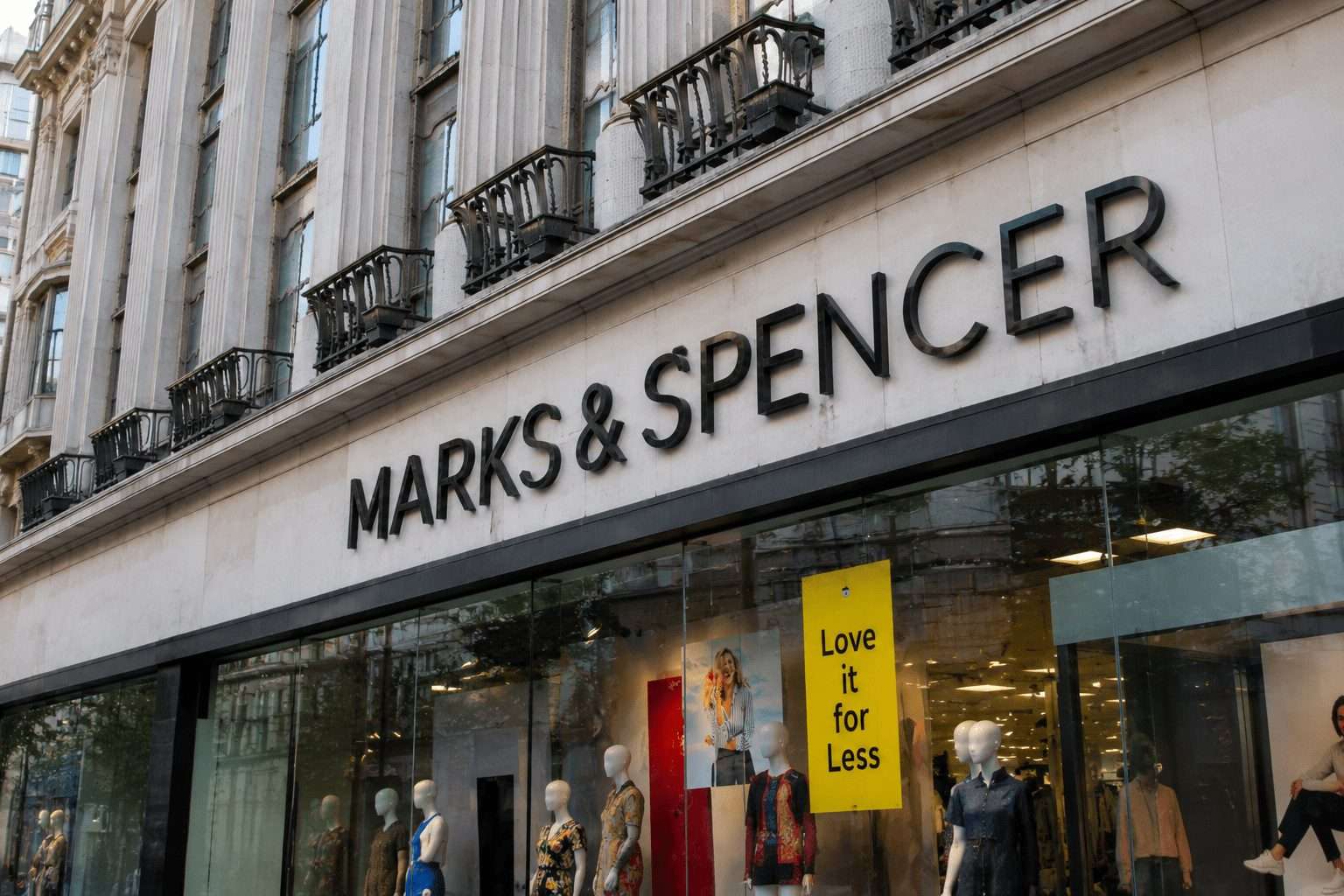
Marks and Spencer Group plc LSE:MKS shares jumped 3.3% to around 359.5 pence on Monday afternoon, leading gains among retailers in London. Next was up 1.6%, and Tesco put on 0.9%. That suggests M&S is pushing ahead of sector peers and not just following a broad retail rally.
Investors are watching more than the headline gain in British retail sales. The mix matters. Department-store and online sales picked up in May, the areas where M&S is looking to rebuild after last year’s cyber issues hit clothing, stock and digital business.
Retail volumes jumped 1.2% in May, beating the 0.5% rise forecast in a Reuters poll. Department-store volumes were up 2.7% for the three months, their best run since September 2024. Non-store retailers, mostly online, saw a 6.1% gain in May. “Consumers have been surprisingly resilient to higher energy prices,” said Rob Wood, chief UK economist at Pantheon Macroeconomics. Office for National Statistics
M&S’s sales mix puts a spotlight on a hidden lever in its accounts. Fashion, Home & Beauty brought in £3.92 billion of sales last year. Operating margin dropped to 5.5% from 11.3%, with operating profit down to £213.4 million from £478 million. On this sales base, each point of margin recovered adds about £39 million to operating profit, making up roughly 18% of the division’s latest annual number. This is just a sensitivity calc, not a forecast.
Online sales don’t always mean better profits. M&S posted a 10% margin for its Fashion, Home & Beauty stores but said its online margin stood at negative 5.2%. A pickup in web orders does little unless M&S reins in fulfilment costs, tightens product availability and keeps markdowns under control. If not, more digital sales could just end up cutting profit instead of boosting it.
M&S gets a boost from the arithmetic here. Tesco’s UK like-for-like sales grew 1.8% in the first quarter, missing the 2.3% consensus. That number strips out new and closed stores. Tesco pointed to 5.1% growth a year ago, which had picked up business while M&S and the Co-op were disrupted, raising Tesco’s baseline this year while M&S has a lower bar. Tesco CEO Ken Murphy said he “wouldn’t be reading too much into” the slower growth. Reuters
M&S posted adjusted pretax profit of £671.4 million for the year ended March 28, a drop of 23.8%. Incident-related costs hit £131.3 million. Food sales climbed 7%, but Fashion, Home & Beauty slipped 7.7%. For the current year, the retailer sees profit above the £881.1 million it made in 2024/25, a rise of at least 31% from last year’s low base. CEO Stuart Machin said fashion’s turnaround has taken longer, though he still sees “strong growth potential.” Marks & Spencer
Capital allocation is another factor. M&S has set investment at £650 million to £750 million this year, with about two-thirds earmarked for Food. That backs the group’s main growth business, but it leaves less fresh capital for Fashion, Home & Beauty. So most of the near-term pick-up there will have to come from tightening up operations rather than big spending.
There are real risks to the recovery story. The Office for National Statistics warned monthly retail data swings, while retailers pointed to hot weather and deals driving May’s numbers. Markdowns could stick around as promotions boost demand, especially online. M&S flagged rising fuel, freight and input costs plus more tax and regulatory costs, all eating into any rebound in margin.
Monday’s gain looks like a recovery move. It doesn’t show the problems are fixed. Food is still the more reliable part of the business, driving steadier growth. But a bigger earnings beat could show up if Fashion, Home & Beauty can narrow its 5.8-point margin gap, and do it without losing money on online sales.