
SYDNEY, June 25, 2026, 09:05 AEST
- Coles finished the day at A$23.77. That’s up 10.6% for 2026, but still 2.1% under its FY26 high.
- Food inflation in Australia sped up in May, hitting 3.3%, after 2.8% in April, according to .
- Supermarkets will face a ban on excessive grocery pricing from July 1, even as their input costs keep climbing.
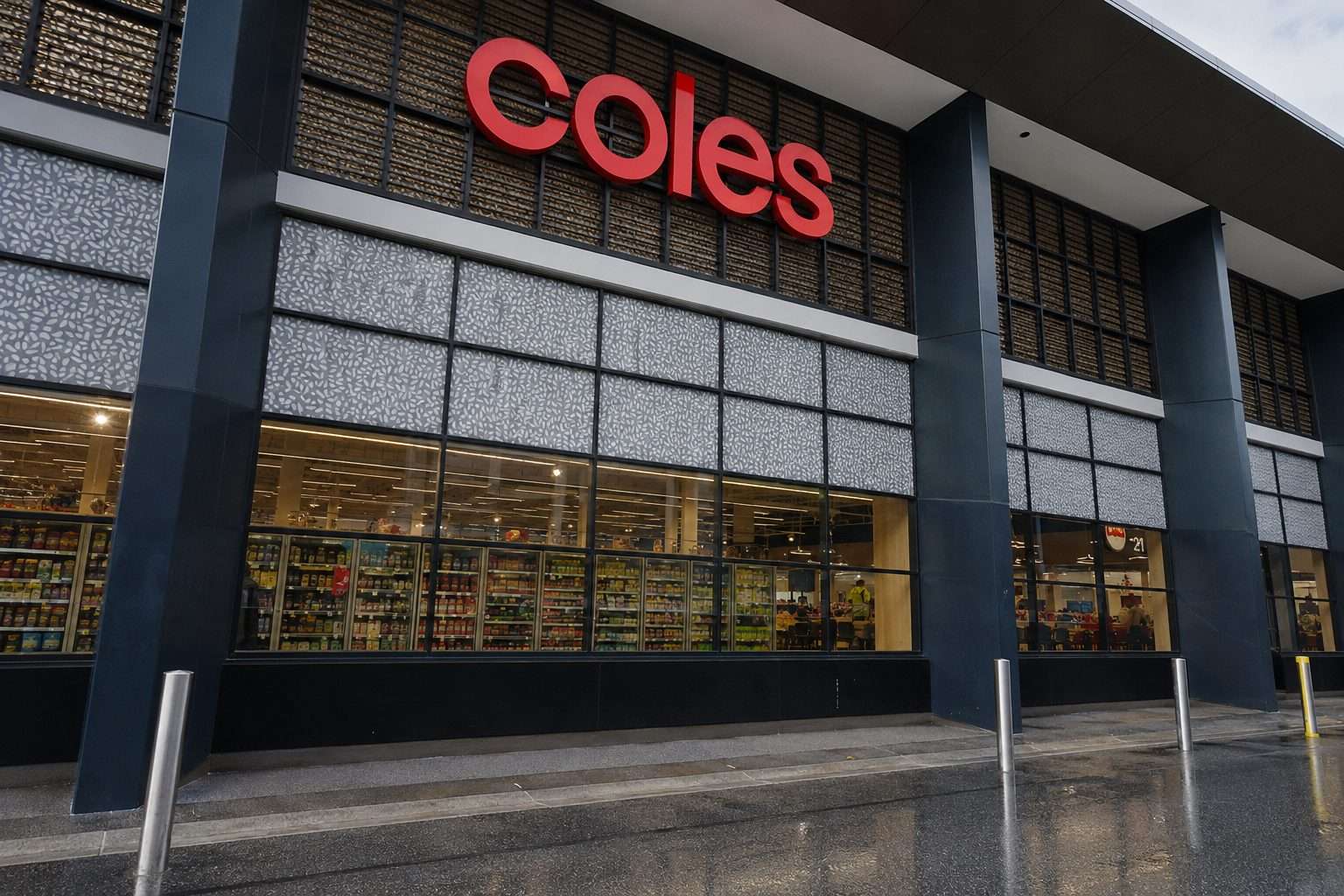
Coles Group Ltd (ASX:COL) was trading just under its fiscal-year peak before the ASX cash-market opened Thursday, as fresh food-price numbers put pressure on the grocer heading into the end of Q4. The company faces a choice: raise prices for shoppers or absorb more meat and dairy costs itself. The ASX was still in pre-open, with normal trading expected from about 10 a.m. Sydney time.
Coles dropped 0.4% to A$23.77 on Wednesday. The S&P/ASX 200 gained 0.24% to 8,808.4. Shares in Coles are up 13.8% in FY26 but remain 2.1% under the recent high of A$24.28.
Food and non-alcoholic drink prices in Australia climbed 3.3% in the year to May, according to new data from the Australian Bureau of Statistics released Wednesday. Meat and seafood rose 5.4%. Dairy gained 5.2%. Beef and veal saw a 13.3% rise. Lamb and goat prices jumped 14.8%, pushed up by foreign demand.
Coles is leaning on shoppers putting more in their baskets to drive growth, not higher prices. Ex-tobacco supermarket sales climbed 5.7% in the 12 weeks ended March 29. Price inflation, stripping out tobacco, was 0.8%. Strip out that price bump and around 4.9% of the sales growth looks to be volume and mix. That’s an estimate, not an official company figure.
It’s not a straight match with the national CPI. The CPI tracks yearly changes for a full household basket. Coles’ number just looked at its own prices for a single quarter. Even so, the difference signals the cost test is different now than it was in March.
Coles told the market it took on some of the higher beef and lamb costs in the third quarter. Later, the company flagged a pickup in supplier price-rise requests and said operating costs, especially fuel and freight, continued to push higher. If Coles raises prices, sales might look better but volumes could lag. If it takes the hit, margin stays under pressure.
From July 1, supermarkets bringing in more than A$30 billion a year will have to deal with a fresh legal hurdle. They won’t be allowed to charge prices seen as significantly above supply cost plus a reasonable margin. Right now, that only hits Coles and Woolworths Group Ltd (ASX:WOW). Ray Steinwall, adjunct professor at UNSW Law, said the test is “difficult to apply” since the law doesn’t spell out what counts as a reasonable margin. UNSW Sites
Dairy prices jumped 2.3% in the month, surprising to the upside, Westpac Banking Corporation (ASX:WBC) economist Neha Sharma said. She said the gain could be linked to short-term fuel surcharges put in place by grocers. “Food prices is an area we’ll be paying close attention to in H2,” Sharma wrote. Westpac IQ
Underlying inflation is still running above the Reserve Bank of Australia’s target. The trimmed mean came in at 3.6% in May, with the central bank already hiking rates three times this year. RBA Deputy Governor Andrew Hauser said inflation is “far too high” and that Australia “still has work to do.” Reuters
Coles is seeing some positives. Online supermarket sales jumped 24.8% in the third quarter, making up 13.6% of the segment’s total sales. Sales of Coles-exclusive products were up 7.3%. CEO Leah Weckert said, “value and availability will be important to our customers over the months ahead.”
Coles will post its FY26 numbers on August 25, about eight weeks after the excessive-pricing rule comes in.