
HOUSTON, March 23, 2026, 12:51 PM CDT
AI simulation made another leap into the energy sector Monday, as Hitachi Energy rolled out its HMAX Energy software-and-services platform targeting utilities, renewables, and data centers. Nvidia and Emerald AI, meanwhile, announced collaboration with AES, Constellation, Invenergy, NextEra Energy, Nscale Energy & Power, and Vistra on building out large-scale AI data centers intended to plug in more quickly and adapt to the grid in real time. Emerald AI CEO Varun Sivaram argued the new facilities shouldn’t act as “passive loads or permanent islands.” Hitachi Energy
Timing is key here. Speaking at CERAWeek in Houston, Google President Ruth Porat said the U.S. isn’t “full throttle on energy” even as the boom in AI data centers ramps up. The U.S. Energy Department projects that by 2030, data centers could account for as much as 9% of total electricity use—more than double the 4% logged in 2023. Reuters
The Energy Information Administration is looking for a 1.2% bump in U.S. electricity output in 2026, with a bigger 3.1% jump forecast for 2027. ERCOT, the Texas grid, stands out: EIA projects generation there will surge 7.3% from 2025 to 2026 as more solar and gas come online. That’s pushing utilities to get everything they can out of their renewables and grid setups.
Digital twins are driving the shift—these are software replicas of physical equipment or networks, giving engineers a way to run tests on virtual assets first. Hitachi, whose models are powered by Nvidia, says its tech can mimic everything from the grid all the way down to the server rack. Siemens, for its part, expanded its own digital twin suite with the rollout of Digital Twin Composer this year.
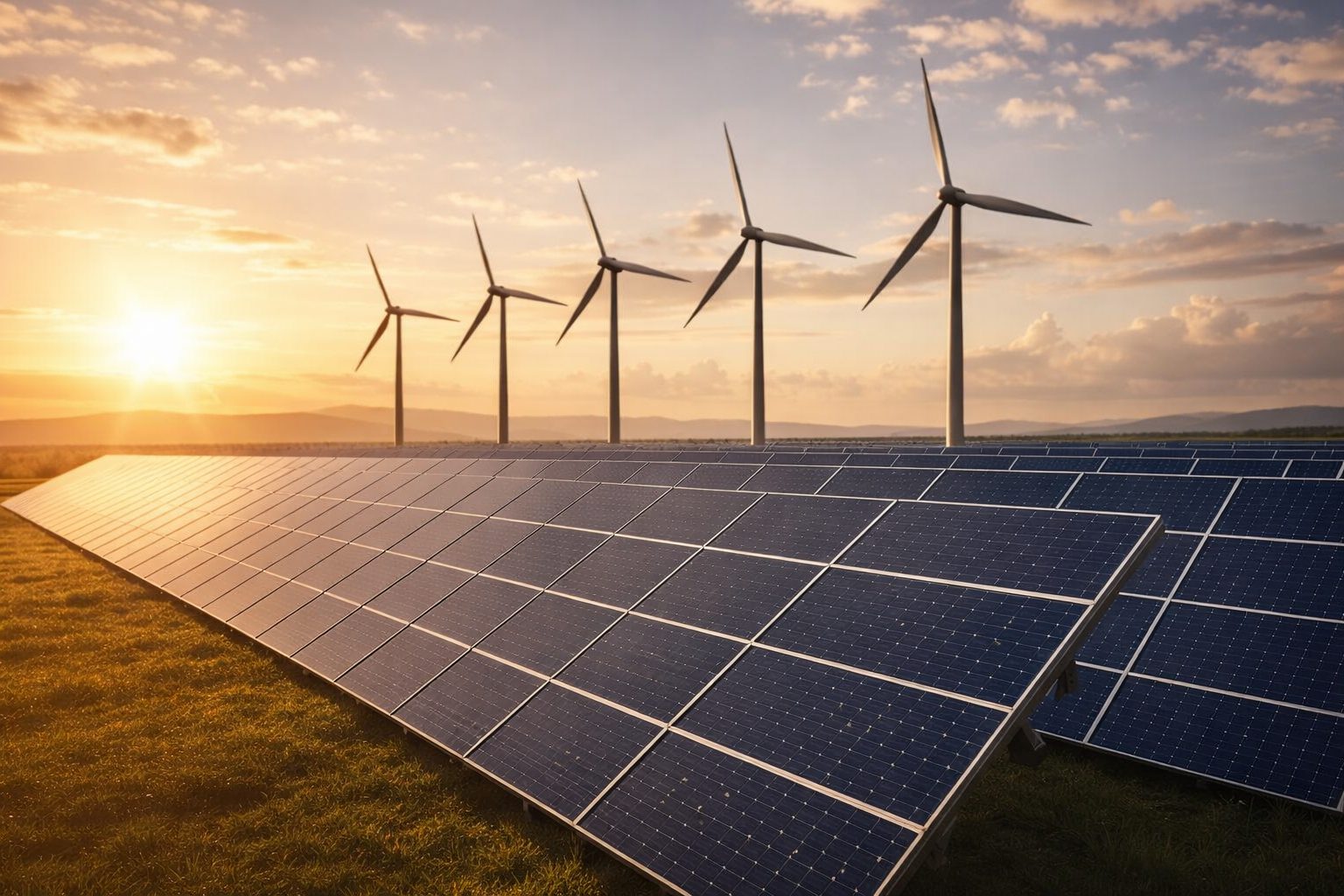
Renewables are getting a similar tech push. Nvidia says Siemens Gamesa is tapping Omniverse-driven models to squeeze more power from offshore wind farms at a lower price. In February, Reuters highlighted that Google’s Xcel pact in Minnesota targets 1,400 MW of wind, 200 MW of solar, and 300 MW of long-term storage. AES, for its part, has committed to develop shared infrastructure in Texas where a new data center is going up.
Last week, Google announced it has struck deals with five U.S. utilities to reduce its data-center demand by up to 1 gigawatt whenever the grid is under pressure. Michael Terrell, who oversees advanced energy at Google, described this kind of demand response—where big customers get paid to pare back energy use during peak periods—as “a really important tool.” Reuters
Afternoon trading in the U.S. saw Nvidia up 1.6%. NextEra pushed higher by about 1.4%. Vistra picked up 3.8%, and Constellation advanced nearly 2.8%. AES barely budged.
Rival companies aren’t waiting around. Siemens Energy, for one, reported last month that surging AI-related orders for turbines and grid gear sent quarterly net profit up almost threefold and lifted shares to an all-time high—even as its wind subsidiary, Siemens Gamesa, remained early in its turnaround.
Still, software fixes won’t untangle real-world power constraints by themselves. Just last month, Reuters noted PJM flagged potential electricity shortages stretching decades ahead, and more than 2,500 GW of projects are stuck waiting in grid-connection lines worldwide. Turbine makers like GE Vernova and Siemens Energy? Both are already cautioning they can’t fulfill every spike in demand. Amundi’s Timothy Ho, for his part, points out a number of European utilities have been bid up on AI-driven optimism, yet there’s “limited tangible evidence” so far. So for clean-energy stocks, the next leg hinges on whether faster simulation can actually mean quicker hookups, more reliable performance, and stronger profits. Reuters