
Seattle, April 9, 2026, 04:11 PDT
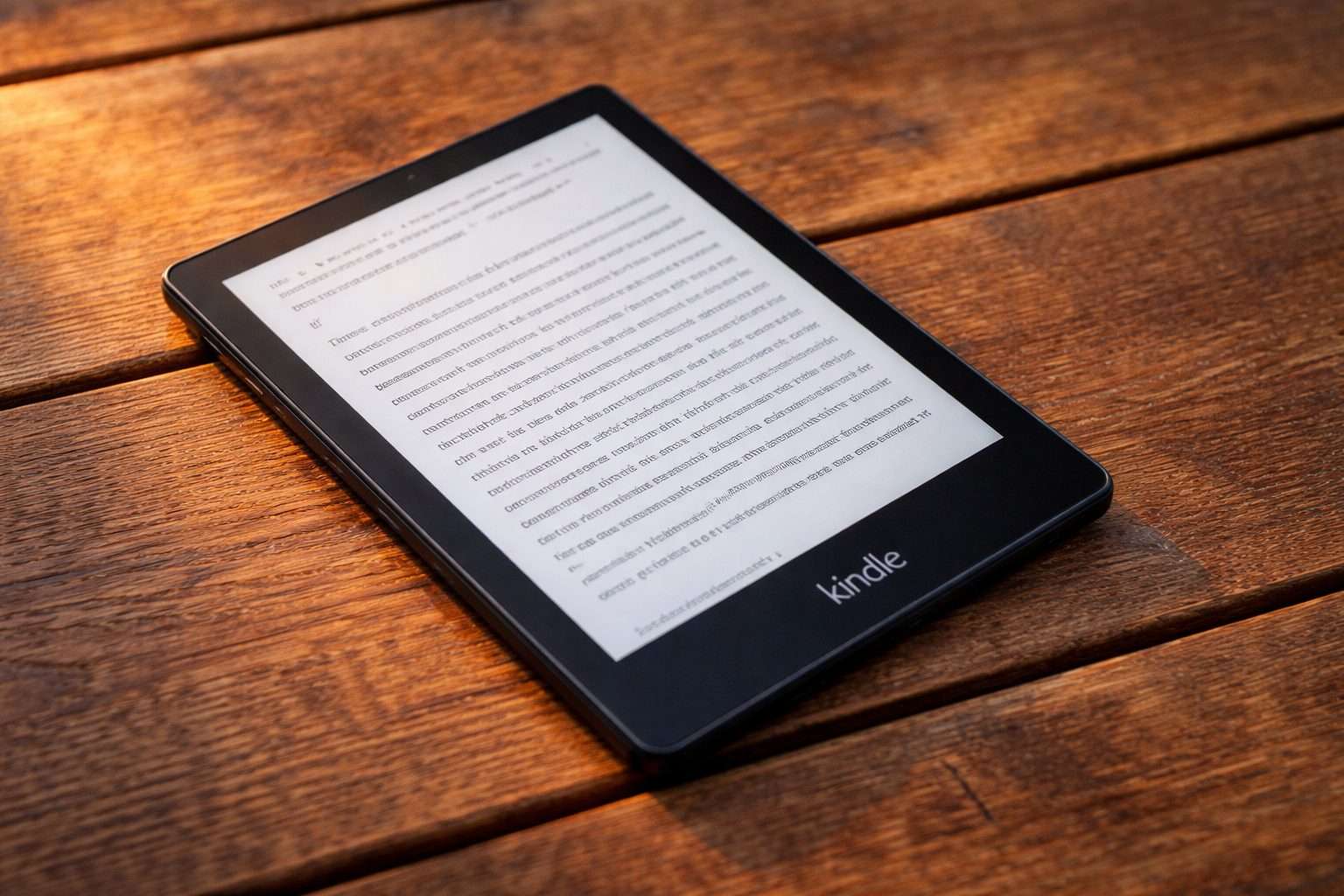
Amazon plans to pull the plug on support for Kindle e-readers and Kindle Fire devices dating back to 2012 or earlier, starting May 20. After that, owners won’t be able to access the Kindle Store or download, borrow, or buy new books directly on those older models. The company notes on its help page that any books already saved on the devices will remain available even after the cutoff.
This isn’t just another software phase-out. Amazon’s move impacts models as far back as the first Kindle, launched in 2007. Owners who deregister or reset those older readers after May 20 won’t be able to re-register them, locking the devices out for good.
Amazon is calling this the close of a lengthy support run. “Supported for at least 14 years,” spokesperson Jesse Carr told TechCrunch—some models stuck around for 18. Engadget heard from Amazon that roughly 3% of active users are impacted. U.S. customers hit by the change are being offered a 20% discount on certain new Kindles, plus a $20 ebook credit, if they upgrade by June 20. TechCrunch
The changes hit a broad swath of devices—everything from the original Kindle and Kindle DX, through the Kindle Keyboard, Kindle 4, Kindle 5, Kindle Touch, and the first Kindle Paperwhite. Early Kindle Fire tablets make the list as well. Amazon noted, though, that while these older Fire models will lose access to the ebook store, their other apps and services aren’t going anywhere.
Jackie Burke, an Amazon spokesperson, confirmed to The Verge that the affected devices “no longer be able to purchase, borrow, or download new content via the Kindle Store.” Existing libraries remain accessible, though—readers can still get to their books using newer Kindles, the Kindle mobile app, or Kindle for Web, according to Amazon. The Verge
This has been a long time coming for the company. Back in 2016, Amazon put out a warning: older Kindle e-readers would need a software update if users wanted to keep accessing key services—an early clue that store support for legacy devices wasn’t permanent.
Some Kindle owners aren’t rushing to swap out their old devices. Tech sites have noted that users can still sideload, moving files via USB instead of downloading from Amazon’s store. Others are weighing switches to alternatives like the Boox Palma from Onyx or a Vivlio e-reader, according to recent coverage.
If Amazon’s 3% figure holds, the direct financial fallout looks fairly contained. Bigger question: does this fuel backlash over tech firms rolling out replacements too quickly? A 2024 UN-backed report expects global e-waste to hit 82 million tonnes by 2030.
Amazon isn’t shutting off screens or pulling the plug on batteries—those features stay put. But come May 20, the most convenient way to buy books on some of its oldest devices goes away.