New York, Feb 20, 2026, 07:26 (EST) — Premarket
- American Airlines was last seen trading around $13.35 ahead of the bell, following a steep drop in the previous session.
- Oil stuck close to six-month peaks, putting airline stocks squarely in the crosshairs as fuel-cost worries refuse to budge.
- All eyes turn to Washington as the House gears up for a Monday vote on aviation safety legislation.
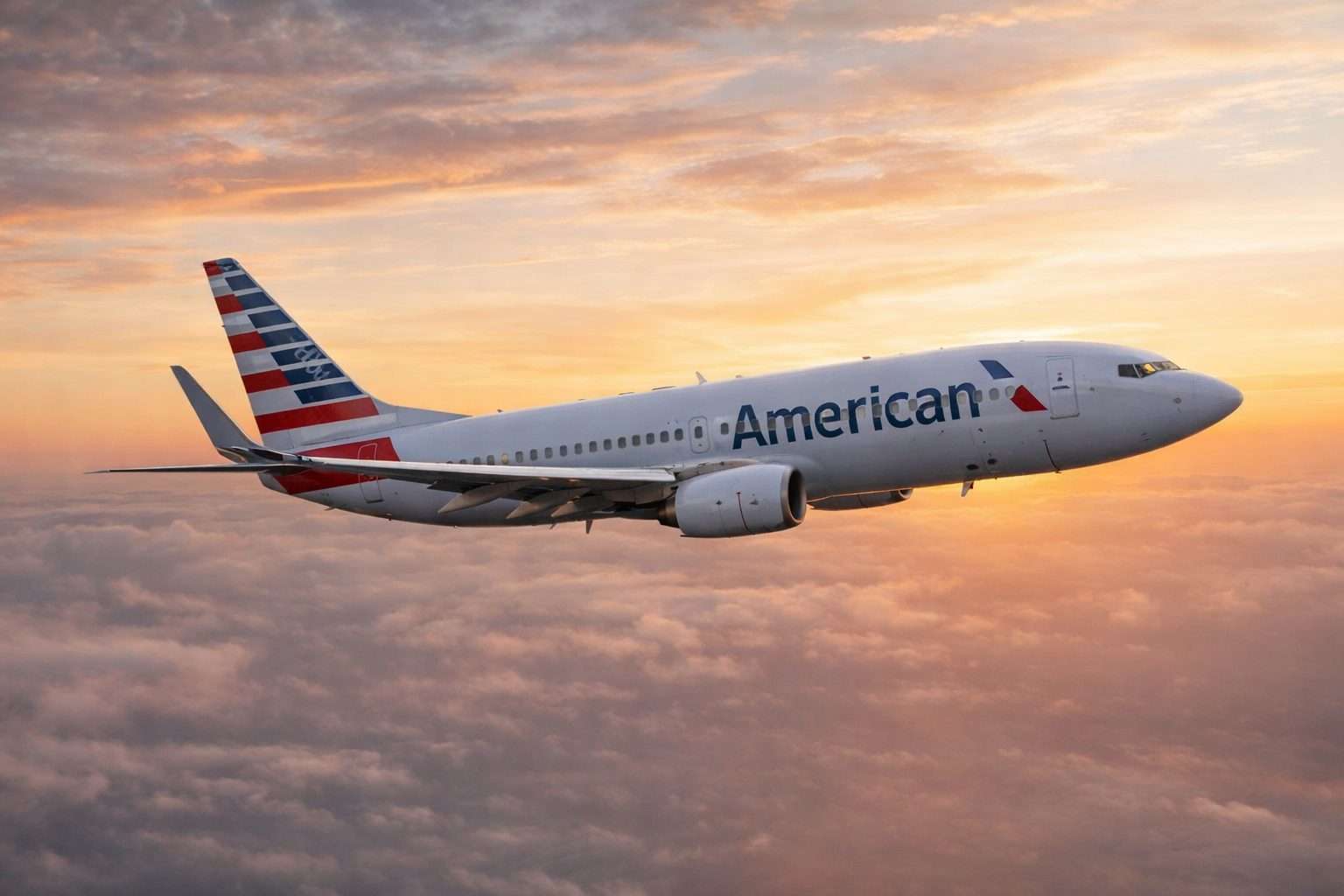
American Airlines Group Inc held steady ahead of the bell Friday, last quoted at $13.35. The stock had dropped roughly 5.3% in the previous session.
Fuel prices are driving the action at the moment. Brent hovered at about $71 a barrel, with U.S. crude holding close to $66 during European hours, while ongoing tensions between the U.S. and Iran kept oil sitting just below six-month peaks. “The market is nervous, it’s going to be a wait-and-see day,” said Ole Hansen, who heads commodity strategy at Saxo Bank. Reuters
It wasn’t just American Airlines feeling the squeeze. Shares of Delta Air Lines and United Airlines each dropped roughly 5% from previous closes. Airlines often end up trading much like oil derivatives when crude prices swing sharply.
American has chosen CFM International’s LEAP-1A engines for its upcoming Airbus A321neo deliveries, keeping CFM as its engine partner for those aircraft. The GE Aerospace–Safran venture is also set to handle long-term maintenance. Using a single engine model should simplify operations and help manage costs, according to the company. No financial terms are out. CFM faces off against Pratt & Whitney, which is part of RTX, in the Airbus narrowbody engine market.
The carrier filed its annual Form 10-K report for the year ending Dec. 31, 2025, earlier this week, according to a new filing.
Vice Chair Stephen L. Johnson disclosed he got 442,708 shares as a restricted stock unit award on Feb. 17, according to a fresh filing. The next day, 24,449 of those shares were withheld to pay taxes, priced at $14.10 each.
Oil prices found fresh momentum after U.S. crude stockpiles dropped sharply—down 9 million barrels to 419.8 million in the week ending Feb. 13, according to the Energy Information Administration. Forecasters had looked for a build instead. “Support for oil prices came from a very bullish EIA report,” said Giovanni Staunovo, commodity analyst at UBS. Reuters
The timing isn’t great for American. Back in late January, the airline put out a full-year 2026 adjusted profit outlook of $1.70 to $2.70 per share—right in the sweet spot, with the midpoint topping what analysts were looking for. Still, they did warn about some short-term bumps from weather hassles.
Traders face a busy morning, with U.S. index futures barely budging before a flurry of numbers hits. Fourth-quarter GDP and the PCE index—closely watched by the Fed—are both expected at 8:30 a.m. ET. “We think there is scope for cyclical assets to continue to draw support,” Goldman Sachs economists said in a note. Reuters
Even so, airlines face trouble if oil keeps climbing. Extended spikes in crude put the squeeze on margins fast—unless airlines manage to push through higher fares. But when demand falters, price wars tend to surface. The engine deal could ease some operational headaches down the line, but for now, fuel costs are the main math that hasn’t changed.
Washington is in focus next. The House plans a Monday, Feb. 23 vote on the ROTOR Act, which would mandate automatic dependent surveillance-broadcast (ADS-B) tech for aircraft fleets by the end of 2031. Lawmakers are linking the measure to an American Airlines regional jet crash in 2025 as they look to overhaul aviation safety rules. “This comprehensive bill will make our aviation system safer,” said House Transportation Committee chair Sam Graves. Reuters