NEW YORK, March 4, 2026, 07:31 (EST)
- American Airlines expanded travel waivers for customers booked through several Middle East hubs and Tel Aviv/Cairo
- Airline shares stayed under pressure as oil prices climbed and airspace closures forced longer routes
- U.S. officials moved to arrange charter flights for stranded Americans as disruptions stretched into a fifth day
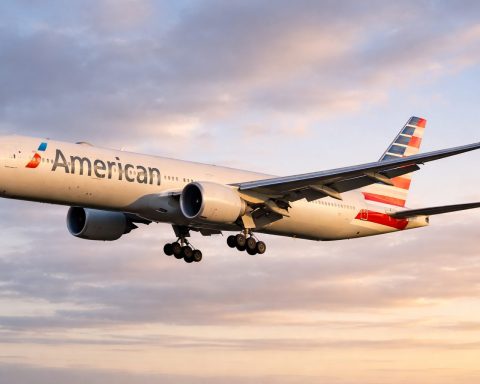
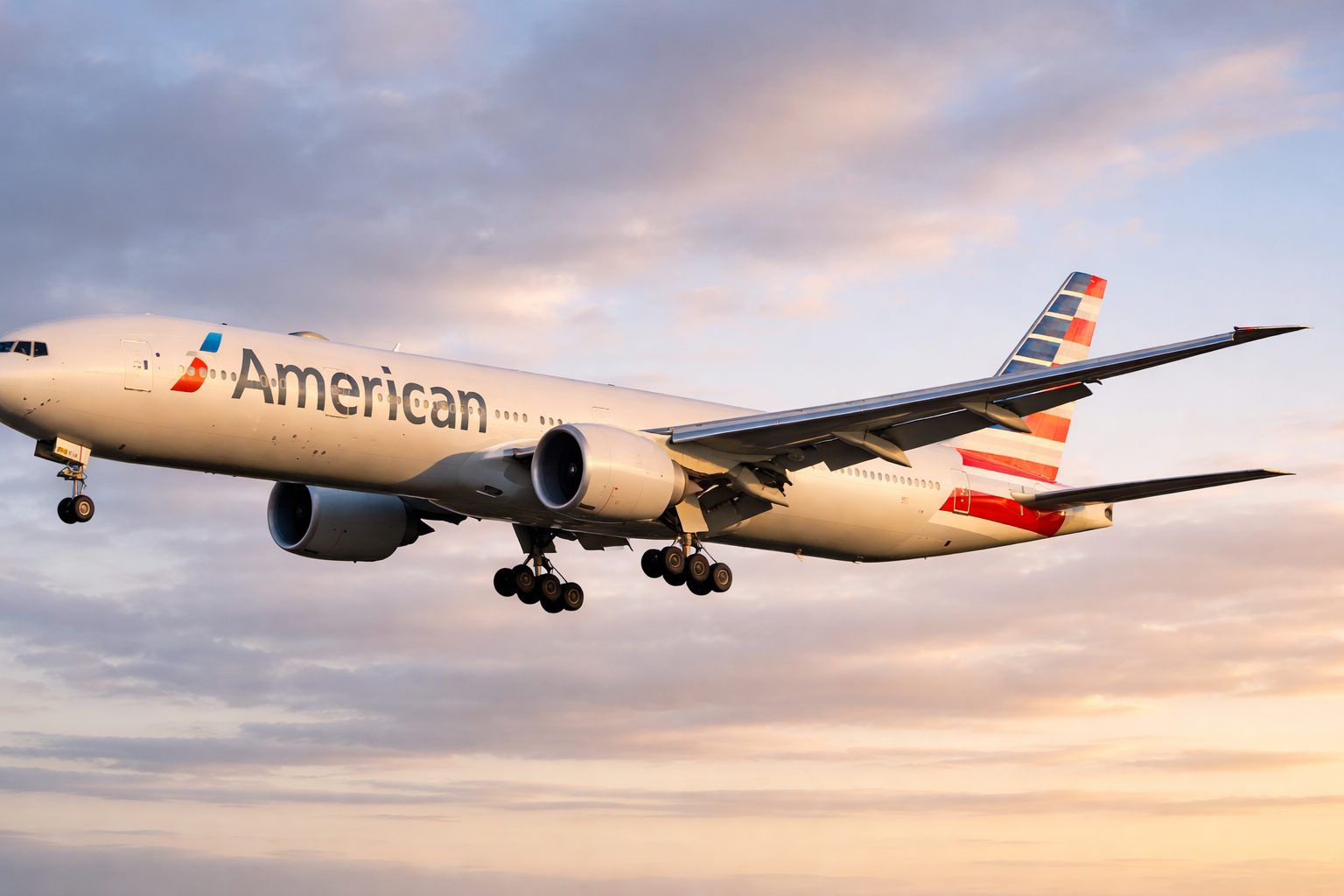
American Airlines Group Inc (AAL.O) shares slipped 6 cents, or about 0.5%, to $12.46 in premarket trading on Wednesday, extending a week of choppy moves for airline stocks as conflict in the Middle East pushed fuel costs higher.
The widening U.S.-Israeli air war against Iran has shut or severely restricted major Gulf hubs, including Dubai, squeezing a key corridor for long-haul flights between Europe and Asia. Flightradar24 data showed about 21,300 flights had been canceled at seven major airports since the strikes began, leaving travellers stranded and carriers scrambling to reroute crews and aircraft. “There are important differences across carriers that will shape the actual impact,” Karen Li, J.P. Morgan’s head of Asia infrastructure, industrials and transport research, said. 1
The pressure showed up quickly in markets. Shares of U.S. carriers including American, United, Delta and Southwest were down around 4% on Tuesday, as Brent crude traded above $83 a barrel and investors priced in higher jet fuel bills. Cirium said more than 19,000 flights to the Middle East have been canceled since Saturday, while Tourism Economics estimated the conflict could cut visitor spending in the region this year by $34 billion to $56 billion. “It’s pretty well the biggest shutdown we’ve seen certainly since the COVID pandemic,” said Paul Charles, chief executive of luxury travel consultancy PC Agency. 2
By Wednesday, the selloff in airline shares eased in parts of Europe and Asia as repatriation flights began, though the skies over swathes of the region remained largely empty and Dubai stayed shut for a fifth day. Morningstar’s Lorraine Tan said “airlines have hedged around 50% of their jet fuel needs” — hedging is the practice of locking in prices ahead of time — giving some carriers room to absorb part of the jump in fuel costs. 3
American has posted travel alerts waiving change fees for customers traveling to, through or from Abu Dhabi, Amman, Bahrain, Doha, Dubai and Larnaca, for tickets bought by Feb. 27 and travel scheduled between Feb. 28 and March 15, with rebooking allowed through March 29. The airline also said eligible customers on some routes could cancel and request a refund, and it set a separate waiver for travel to or through Cairo and Tel Aviv for tickets bought by Feb. 27 and travel scheduled between Feb. 28 and March 10. 4
Closer to home, storm forecasters flagged the Dallas-Fort Worth metroplex — American’s biggest hub — in a “slight” risk area for severe weather on Wednesday, with a chance of damaging winds, hail and an isolated tornado. The National Weather Service’s Storm Prediction Center highlighted severe storm risks across parts of Texas and nearby states through the weekend, with a broader threat expected by Friday. 5
In Washington, the State Department said it started facilitating charter flights from the United Arab Emirates, Saudi Arabia and Jordan for U.S. citizens seeking to leave the region, after lawmakers criticized the timing of evacuation warnings. Secretary of State Marco Rubio told reporters about 1,500 Americans had requested assistance with departure, and the department was also “actively securing military aircraft,” an official said. 6
Still, the big variable for American and its peers is time. If the conflict cools and oil prices retreat, the sector’s latest slide could reverse quickly, and airlines could start clearing the backlog of stranded passengers.
If it drags on, costs rise first. Longer routes burn more fuel, ticket prices can climb, and leisure demand can soften — a rough mix for carriers heading into the busy spring travel period.