SAN FRANCISCO, January 31, 2026, 00:55 PST
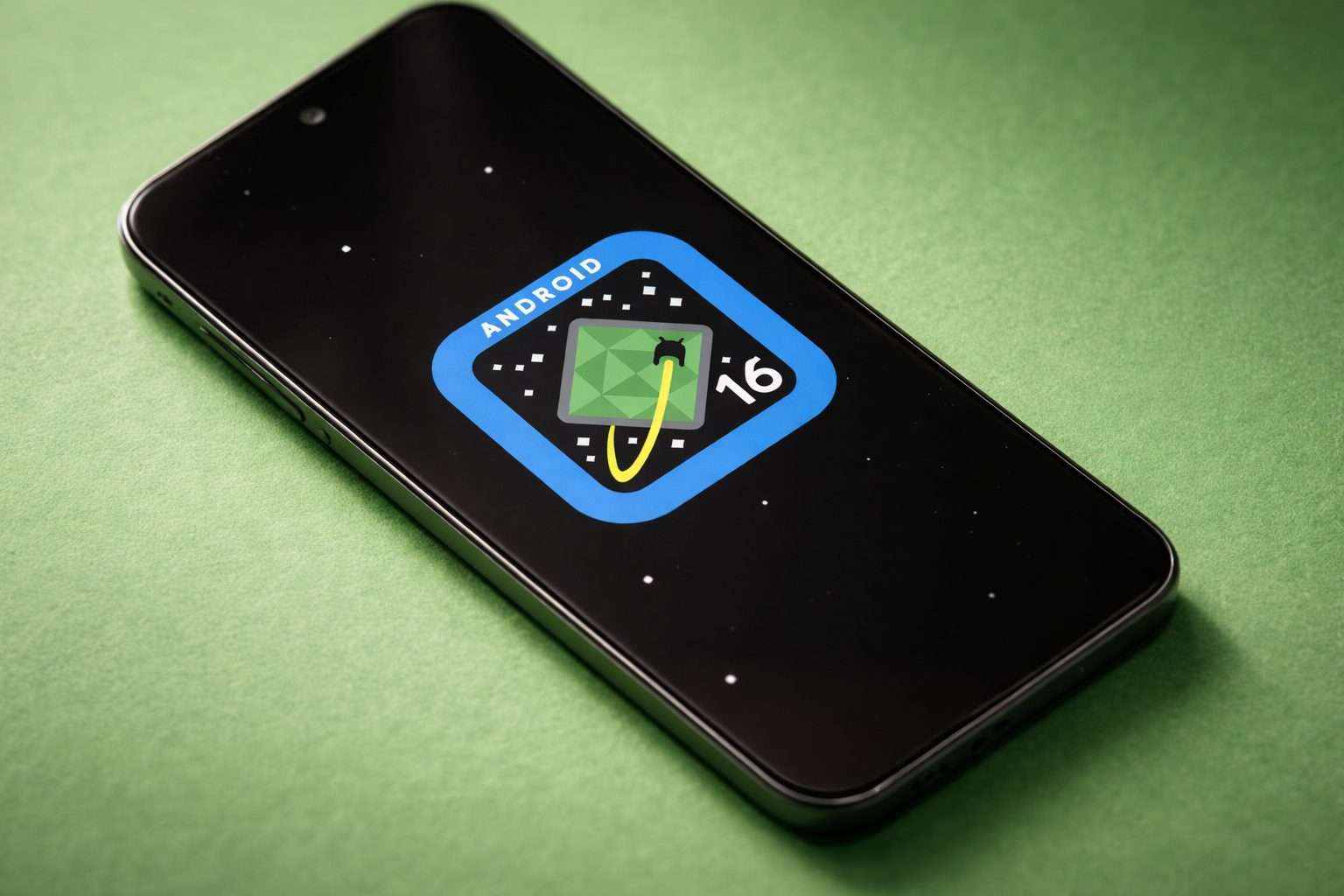
- According to Google’s latest distribution data from Dec. 1, 2025, Android 16 is now active on 7.5% of devices. 1
- Android 15 is still the top dog, holding 19.3% of users in the first major update since April 2025. 2
Google’s newest Android distribution stats reveal Android 16 is now on 7.5% of devices. Android 15 still leads, powering 19.3% of smartphones. 3
This is important since developers rely on these snapshots to choose which Android versions to support, test, and target. It also provides one of the rare public insights into how quickly updates are rolling out. Google hadn’t updated the data since April 2025, Android Authority pointed out. 4
The mechanics play a role as well. The distribution chart is now built into Android Studio and “aggregates device check-ins from the Play ecosystem,” according to one report — a more focused view than “all Android phones,” but still a key indicator. 5
The latest figures reveal a tight race in the middle: Android 14 holds 17.2%, Android 13 follows with 13.9%, while Android 11 and 12 trail closely at 13.7% and 11.4%, respectively. Android 4.4 KitKat has dropped off the chart entirely. Android Headlines credits the quicker adoption to Google and partners like Samsung speeding up updates. 6
Android 16 isn’t exactly fresh off the press. Google first unveiled it back in June 2025, promising an initial rollout “first to supported Pixel devices,” with other manufacturers to follow. 7
Google has pushed parts of the Android development cycle ahead. In a 2024 update about moving to more frequent SDK releases, Android developer VP Matthew McCullough revealed that the big 2025 release is set for Q2 “to better align with the schedule of device launches.” 8
Developers know Android versions by their “API levels,” the numbers apps use to set compatibility and determine when new platform rules kick in. According to Google’s docs, Android 16 corresponds to API level 36. 9
However, distribution numbers don’t always match what users encounter daily. Google clarifies that its dashboard snapshots show “active devices” on Google Play over a seven-day span, making the data a sample rather than a real-time count — and these snapshots aren’t refreshed on a set schedule. 10
The next big change probably depends on how fast Android 16 spreads beyond flagship devices and how quickly developers update their apps to hit the latest targets. Right now, Google Play demands that new apps and updates target Android 15 (API level 35) or above—a requirement that usually tightens with time. 11