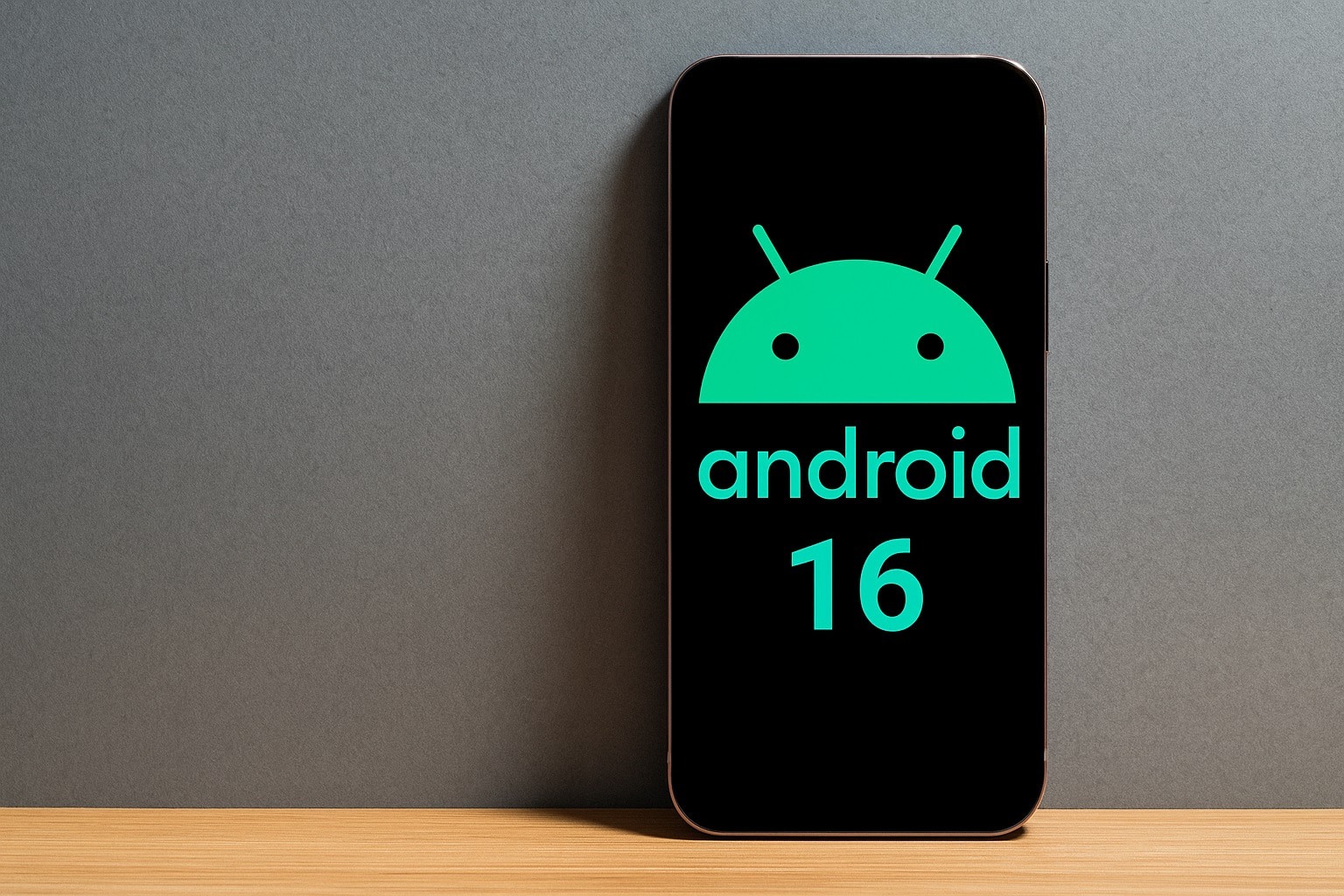
- Google has pushed the Android 16 QPR1 source to the Android Open Source Project under the
android16-qpr1-releasebranch. Googlesource - The drop arrives roughly two months after QPR1 began rolling out to Pixels, an unusually long wait that frustrated ROM projects. Android Authority
- The code confirms headline QPR1 additions like Material 3 Expressive and ongoing work on Desktop Mode—now fully inspectable by developers. Android Authority
- The timing closely follows the November 2025 Pixel Feature Drop, which may explain the hold‑back window. Blog
What happened today
Google has published the full Android 16 QPR1 source to AOSP. You can see the official manifest change—“Update default revision to android16-qpr1-release”—in the platform/manifest repository, and the updated default.xml now points to that branch for android-latest-release. Googlesource
The push aligns with multiple reports from the Android press and dev community noting that QPR1’s code is finally public after a weeks‑long gap. Android Authority
Why the drop matters
Transparency & diffing: With sources live, teams can diff frameworks/base, SystemUI, WindowManager, and Shell to see every behavioral change since Android 16 GA and the QPR1 rollout. This is essential for triaging regressions, sorting app‑compat quirks, and validating OEM integrations. Android Authority
Custom ROMs: Major projects like LineageOS intentionally held back QPR1‑labeled builds because not all components were available. Today’s push unblocks rebases and should accelerate test builds for popular devices. Android Central
Feature verification: The source confirms the visual overhaul under Material 3 Expressive and ongoing Desktop Mode plumbing that appeared throughout the QPR1 betas—now fully auditable. The Verge
The delay—what changed this cycle?
Historically, Google published new Android branches to AOSP within days of a stable release. With Android 16 QPR1, the code arrived about two months after Pixels got the update—an outlier that left maintainers waiting. Android Authority
The November 2025 Pixel Feature Drop landed yesterday with new AI‑assisted features; the QPR1 source appeared immediately afterward. That sequencing has fueled educated guesses that Google wanted to avoid spilling unreleased Feature Drop clues in public repos. Google hasn’t officially provided a technical rationale, but the timing tracks. Blog
What’s actually in Android 16 QPR1
- Material 3 Expressive UI: A broader visual refresh spanning Quick Settings, notifications, and lockscreen elements, now reviewable down to resource and flag levels. The Verge
- Desktop Mode progress: More robust multi‑window/multi‑display groundwork that OEMs and ROMs can examine in WindowManager/Shell to refine freeform windows and taskbar behavior. Android Authority
- Ecosystem polish: A slew of under‑the‑hood fixes typical of QPRs that don’t bump public SDK levels but do touch services, SELinux policy, Soong rules, and APEX versions—now traceable commit‑by‑commit. Android Authority
How to sync Android 16 QPR1 from AOSP
Google now recommends tracking android-latest-release, which is set to the latest release branch—today, that’s android16-qpr1-release. Android Open Source Project