LOS ANGELES, January 28, 2026, 07:04 (PST)
- Anduril kicked off an “AI Grand Prix” autonomous drone racing series, featuring a $500,000 prize pool and a job offer for the winner
- The series kicks off with virtual qualifiers from April to June, wrapping up with a final event in Ohio in November 2026
- Eligibility rules for the competition include work requirements linked to any job offer
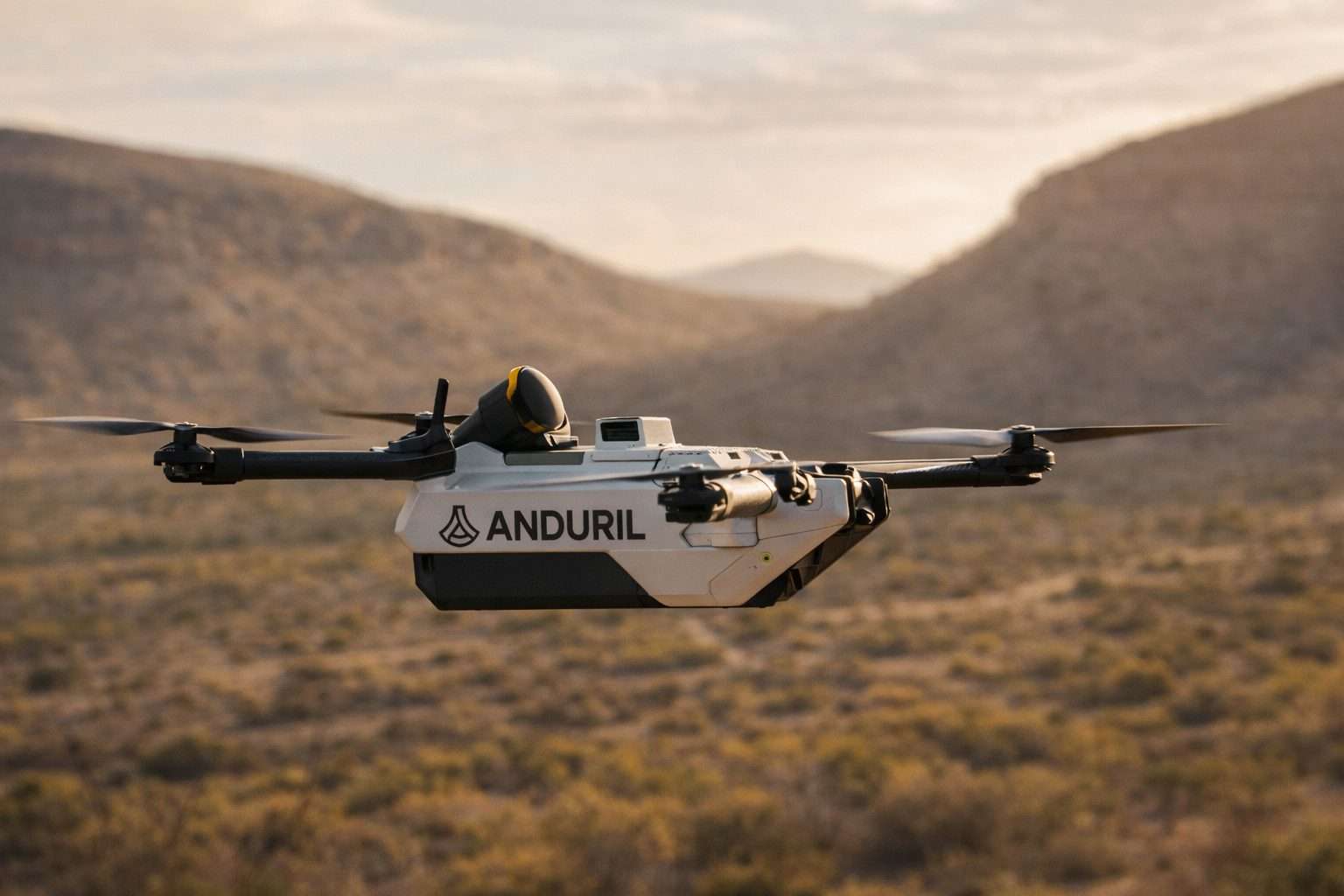
Anduril Industries has kicked off the “AI Grand Prix,” an autonomous drone racing contest featuring a $500,000 prize pool and a job offer at the defense tech firm for the winner. The competition starts with online qualifiers from April to June, moves to an in-person qualifier in Southern California this September, and wraps up with a season finale in Ohio in November 2026. Drones are provided by Neros Technologies, while the Drone Champions League manages race operations. 1
The pitch arrives as autonomy—software enabling drones to fly without human pilots—shifts from lab demos to a key selling point in defense and robotics. Companies now aim to show their systems can tackle the tough challenges: speed, obstacles, and real-world physics, beyond just tidy simulations.
For Anduril, this contest doubles as a transparent hiring filter. It prioritizes coding skills, boiling down typical markers like pedigree, resumes, and introductions into a single timed outcome on a race course.
Founder Palmer Luckey revealed the idea began as a recruitment chat and quickly became something he felt they had to pursue. He brushed off the notion of backing a typical drone race as “really dumb,” instead pitching the event as a software showdown — the real prize going to whoever crafts the best code. He even dubbed CEO Brian Schimpf “our de facto lead software brains.” 2
The job prize comes with some strict conditions that could catch hopeful winners off guard. According to the official rules, any team member claiming the prize must be at least 18 years old and might have to qualify for an active U.S. security clearance—and potentially relocate. Non-U.S. applicants need a business-critical role available in their home country, while Russian citizens are completely banned from entering or attending. The rules describe the drone as an unmanned aircraft system, or UAS—industry jargon for the drone itself plus its support systems. 3
Anduril, launched in 2017, is known for flashy recruiting campaigns and is reportedly considering an IPO in 2026 after hitting a $30.5 billion valuation in June 2025, according to Business Insider. The company aims to outpace traditional defense giants like Lockheed Martin and Boeing as the U.S. accelerates efforts to modernize its military hardware. 4
The AI Grand Prix flips the script on a sport typically all about human reflexes. The human’s job finishes once the drone takes off. After that, it’s all on the software—either it performs or it fails.
Here’s the tough reality for many teams: making an autonomy stack perform in the air exactly as it did on a laptop is a challenge. Sensors can be unreliable, winds change unexpectedly, lighting varies, and a fast course leaves no room for tiny mistakes.
Anduril stands to gain more than just one new employee. Hosting a public competition attracts university teams, creates a pool of vetted coding talent, and spreads the company’s autonomy message to customers and potential hires—all without relying on another polished demo video.
The real test arrives later this year, when the event shifts from a virtual platform to an actual track — and when the company must determine if the winning code qualifies for a hire under defense-sector regulations.