
MELBOURNE, April 25, 2026, 08:03 (AEST)
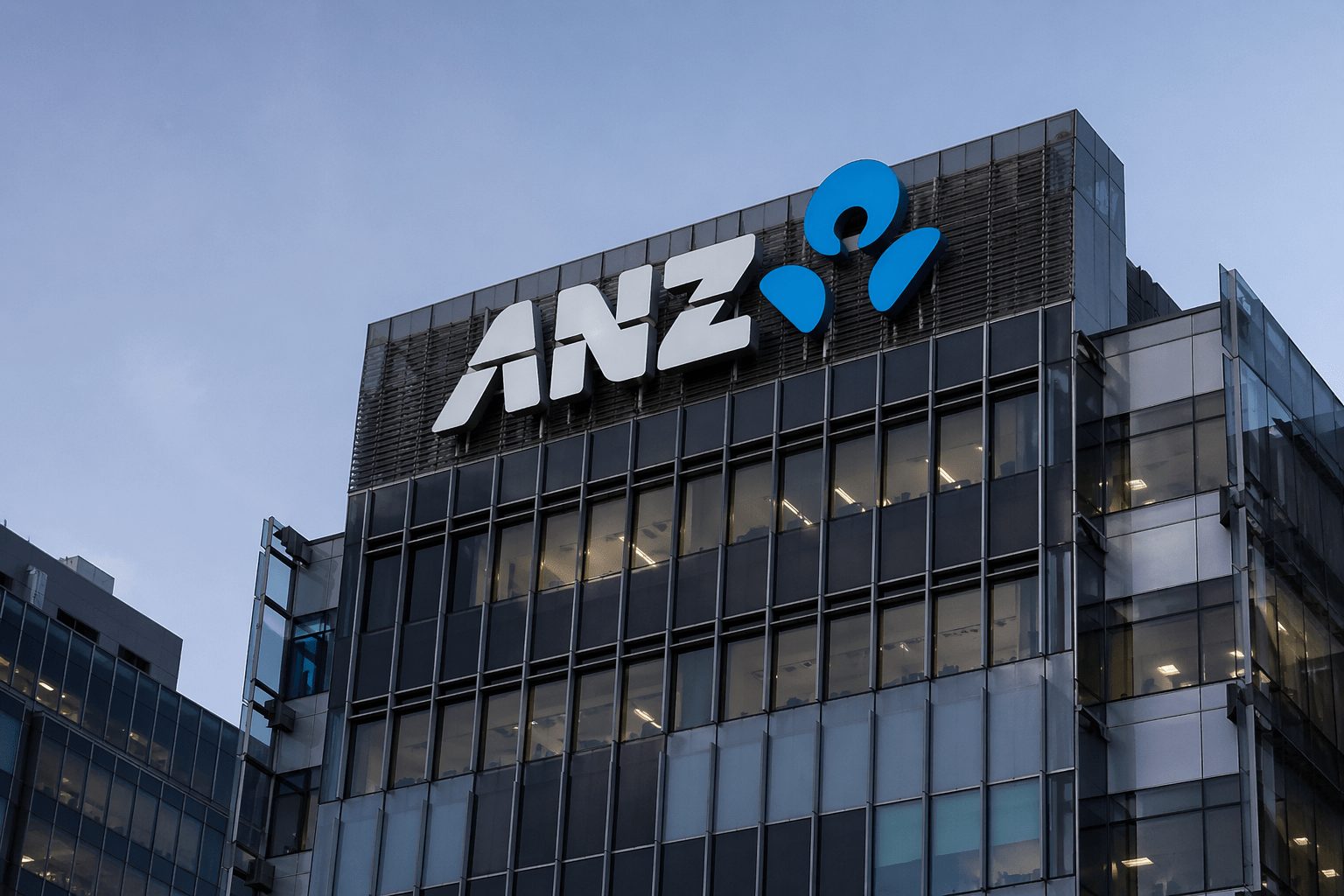
ANZ Group Holdings Limited has tapped Kai Yang from HSBC for its newly created chief data and AI officer role—marking the first time the bank has appointed someone to this position. Chief Executive Nuno Matos wants to speed up progress on technology, risk, and execution, and Yang’s appointment signals that push. He’s set to start in Sydney in July, relocating from Hong Kong, where he was HSBC’s chief data and analytics officer covering Asia and the Middle East.
Why does the timing matter? Artificial intelligence — think data analysis, automation, decision recommendation — is gaining traction across lending, fraud, trading, and marketing in big banking. ANZ’s move comes just days ahead of its financial-year 2026 half-year results on May 1, putting Matos’ revamp squarely in focus.
ANZ has brought Yang on board, the bank confirmed. Over at HSBC, a spokesperson said Yang exited for family reasons and to explore new opportunities. According to his LinkedIn — and as reported by The Business Times — Yang logged around six years at HSBC, following more than 15 years at Commonwealth Bank of Australia in Sydney, where he held senior roles in technology and risk, including a stint as group chief data officer.
Yang steps in to drive ANZ’s data and AI strategy, push the bank’s tech skills forward, and tighten up governance—the nuts and bolts of how systems get built, signed off, and put into action. He’ll be answering to group chief information officer Donald Patra, who, like Yang, came over from HSBC and joined ANZ last year.
This move marks yet another instance of Matos tapping into HSBC’s leadership pool. After taking the CEO post at ANZ in May 2025, Matos brought experience from heading up HSBC’s wealth and personal banking division out of Hong Kong.
Matos, in a staff note sent out Friday, reset ANZ’s corporate values, warning the bank needs to move away from a “good news culture” that buries issues before they surface. He stressed ANZ must “act early — and with urgency” when there’s even a chance of customer harm. LinkedIn
This isn’t just a matter of wording. ANZ’s own McKinsey-commissioned review, published last November, pointed to a “good news” culture, lack of robust challenge, and excessive bureaucracy as factors undermining non-financial risk controls. Back then, Reuters reported ANZ had agreed to a A$240 million penalty from the regulator, and since 2016, the bank has faced more than A$310 million in ASIC civil penalties. Reuters
The shuffle isn’t isolated. Westpac brought on Dr Andrew McMullan from CBA last year as chief data, digital and AI officer—a move CEO Anthony Miller said would push the bank’s “data analytics, digital innovation and responsible AI” efforts further. Over at CBA, the lender announced in February a A$90 million, three-year Future Workforce Program, following AI training for more than 30,000 employees. Westpac
Headcount cuts are coming in sharper on the labour front. Commonwealth Bank of Australia is set to axe roughly 120 jobs—some at Bankwest—as it ramps up its AI drive, The Business Times reported Thursday. A CBA spokesperson said while a number of positions are being phased out or changed, new roles are also opening up as workflows get streamlined.
ANZ ended Friday at A$36.23, a 0.25% rise on the day, before the early Saturday shutdown in Sydney. Shares are still off the February 52-week peak, as investors weigh up if Matos’ restructuring push, culture overhaul and tech bets will actually deliver stronger returns.
Still, appointing a fresh AI chief could just stack more strategy on top of unresolved control issues. Sure, banks can speed things up with AI—but model slip-ups, oversight gaps, privacy missteps, or skewed outcomes could spiral into headaches with regulators or customers, particularly for a lender already under scrutiny to show it can spot risks sooner.
For Matos, Yang hands ANZ a clearly defined owner in a race where Australia’s major banks are already moving. The real test now: can the new role actually get safer systems out the door, more quickly, before the competition pulls further ahead?