
Cupertino, California, April 14, 2026, 05:08 PDT.
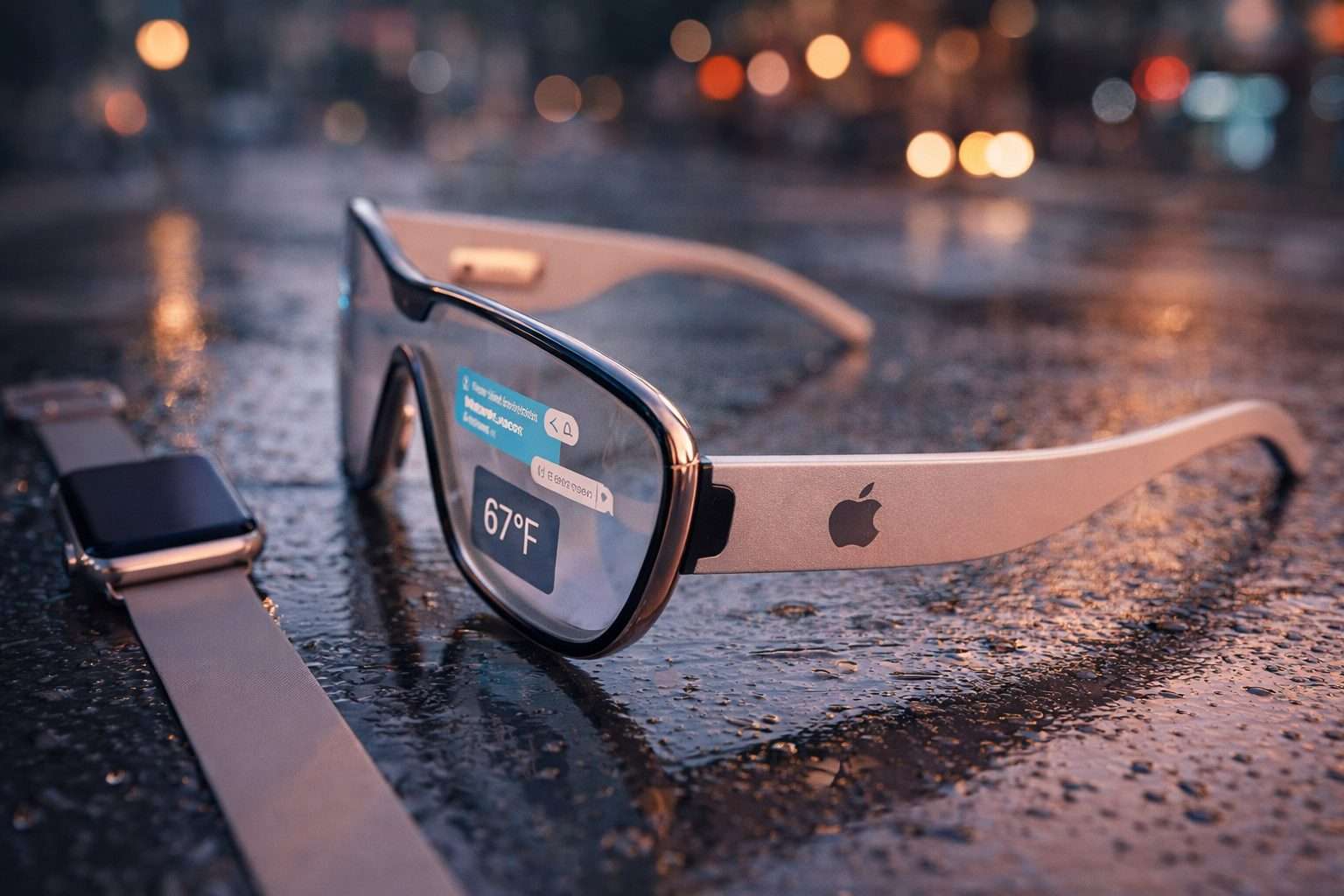
Apple is experimenting with no fewer than four different frame designs for its debut smart glasses, eyeing a 2027 launch aimed squarely at Meta’s Ray-Ban collection, according to reports out over the weekend. Styles on the table include Wayfarer-inspired rectangles and narrower frames reminiscent of the ones CEO Tim Cook favors.
Timing’s a factor here. Apple is moving into one of the rare AI hardware spaces that’s actually caught on with buyers, following Vision Pro’s rocky debut and with some Siri updates now pushed to 2026. Glasses without screens—so, no digital overlays in the lens—would be a simpler, less expensive route compared to full-on augmented reality, which layers graphics over what you see.
Meta is far out ahead. According to IDC research director Ramon Llamas, Meta captured roughly 76.1% of the global smart-glasses market last year, with total shipments hitting 9.6 million units in 2025, Reuters reported. Shipments are on track to climb further—to 13.4 million this year. Meta didn’t pause, either: on March 31, it rolled out a pair of new $499 Ray-Ban prescription smart glasses.
Design is right at the center of Apple’s reported approach. According to Bloomberg and subsequent reports, Apple’s building the frames itself, working with acetate instead of the usual plastic. Early tests include finishes in black, ocean blue, and light brown. Notably, the glasses are said to feature vertically set oval camera lenses, ringed by indicator lights—ditching Meta’s round camera design.
According to the reports, these glasses wouldn’t have a display. Apple is said to be packing in cameras, microphones, speakers, plus a handful of sensors—so users could snap photos or video, take calls, listen to music, get notifications, and use Siri, along with visual features that analyze whatever’s in their line of sight. The glasses would sync with the iPhone and other Apple hardware.
That would leave Apple in a spot near Meta’s current Ray-Bans, steering clear of the heavier headset category. Snap’s Specs team just said last week it’ll use Qualcomm chips in new consumer smart glasses expected out later this year. Back in December, Google and Warby Parker said they’re targeting 2026 for lightweight AI glasses, with plans that stretch into in-lens displays and other models.
Analysts are pointing to software and style as key battlegrounds. “This shift means success will hinge not just on technology but on fashion and comfort,” IDC’s Jitesh Ubrani said in December. Another take from IDC’s Francisco Jeronimo, speaking to Reuters in January: “Success will depend less on breakthrough hardware innovation, but more on ecosystem integration and software value.” IDC
Meta’s not settling for a narrow slice. “Billions of people wear glasses or contacts for vision correction,” CEO Mark Zuckerberg pointed out last month, as Meta rolled out its latest prescription offerings. IDC’s December outlook had Llamas saying, “Meta has a strong start, but both Apple and Google bring expertise, applications, and an installed base of users.” Reuters
Still, there’s room for surprises. Back in May 2025, Reuters reported Apple had aimed for a late 2026 launch—sooner than the 2027 date that’s now making the rounds. The glasses, expected to run heavily on Siri, are coming as Apple pushes some assistant upgrades back to 2026. Then there’s IDC flagging battery life, privacy, thin app choices, and a tough pitch for daily value as possible adoption hurdles.
Apple looks to be scaling back its initial push into AR—at least for now. Instead of rolling out full-fledged smart glasses, sources point to a slimmer AI device designed to complement the iPhone. The coming battle in smart eyewear, then, is shaping up around fit, aesthetics, and how tightly each company can weave its hardware into users’ daily routines. The big question: Can Apple turn a computer you wear on your face into something you’d actually keep on all day?