
- Apple cut its U.S. iPhone trade-in values by $10–$20, dropping the top credit for the iPhone 16 Pro Max to $650.
- Apple has broadened its trade-in program in China to accept select Huawei, Xiaomi, and other Android devices, according to Chinese media. Trade-in values for iPhones now go as high as 5,800 yuan.
- The changes might push the effective cost of a new iPhone up for customers depending on trade-in credit.
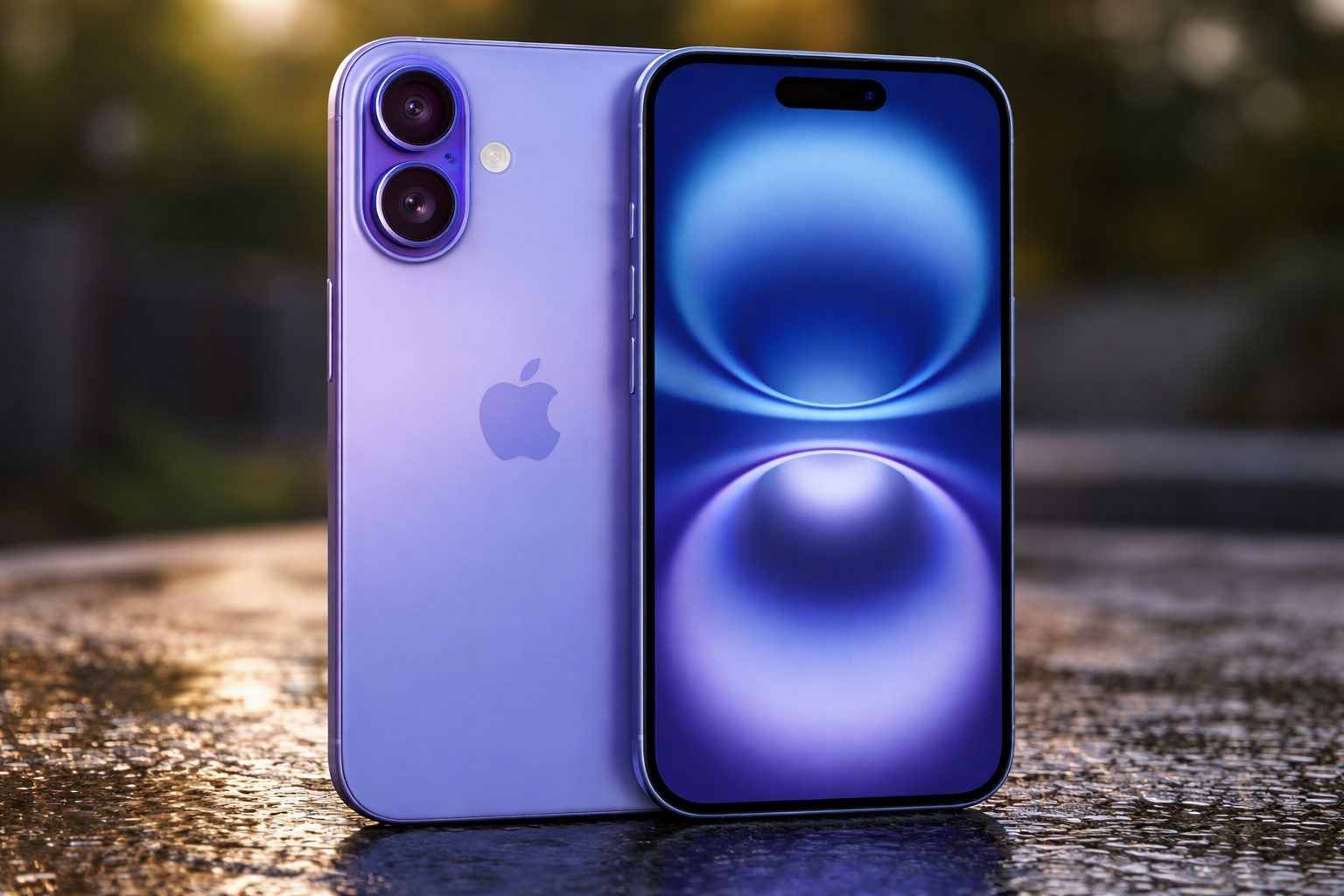
Apple has reduced the top trade-in credit available in the U.S. for iPhones, including the iPhone 16 series. The highest offer for an iPhone 16 Pro Max has dropped to $650, down from $670, according to a recent report.
Trade-in credits are crucial since they offer a straightforward way for many buyers to lower the cost of a new phone at checkout. Even minor adjustments can have a big impact on upgrade calculations, particularly for those upgrading storage or purchasing multiple devices for family members.
Apple has boosted trade-in values in China and expanded the range of eligible devices to cover certain Huawei, Xiaomi, and other Android phones, The Paper reported, referencing Apple’s website. According to the outlet, an iPhone 16 Pro Max could fetch as much as 5,800 yuan through Apple’s Trade In program in China.
In the U.S., price drops mostly came in $10 and $20 increments, with the higher-end “Pro” and “Pro Max” models taking the larger hits, a separate report noted. The iPhone 16 Pro Max dropped to $650 from $670, while the iPhone 16 Pro slid to $530 from $550. Older models, like the iPhone 13 Pro Max, fell to $280 from $300, the report added. Slashgear
Apple lists its trade-in values as estimated maximums—the highest price you might get before they assess your device’s condition and specs. The credit you receive can be applied to a new purchase or given as a gift card, according to Apple. Their U.S. Trade In page also accepts select third-party phones from brands like Samsung and Google.
Apple states that in mainland China, customers can trade in a wide range of Apple and third-party devices, such as Huawei and Samsung smartphones. Users have the option to apply the trade-in credit toward a new purchase or have the amount sent directly to their bank account for online trade-ins. Even devices with no trade-in value qualify for free recycling.
Tech outlets monitoring Apple’s trade-in values noted that the latest U.S. update affected iPads, Macs, and Apple Watch models. Generally, trade-in amounts for iPads and Apple Watches dipped, while some Mac values saw significant shifts. MacRumors highlighted that Apple adjusted its published Mac trade-in values multiple times within hours on the very day the updated tables went live. Macrumors
However, these figures aren’t set in stone. After inspection, the final credit might drop, and Apple could adjust trade-in values once more, leaving those who delay their upgrade vulnerable to further reductions.
For consumers, the change might seem minor on a single device, but it resets the baseline value of an old iPhone within Apple’s ecosystem. This shift could drive more sellers to opt for private resale or carrier deals—particularly in markets such as China, where Apple is actively targeting users switching from local Android brands.