
SAN FRANCISCO, Jan 30, 2026, 01:36 (PST)
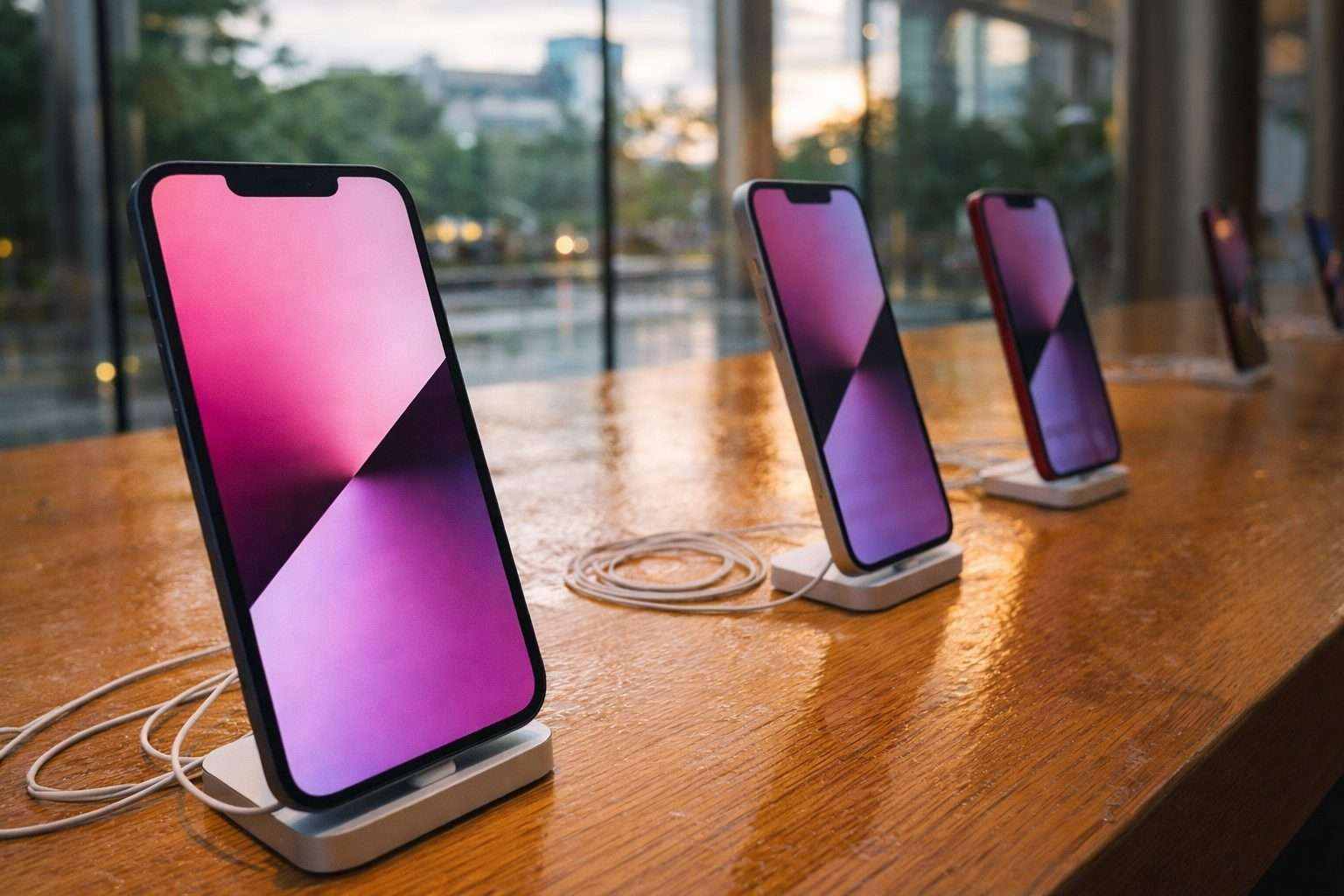
Apple expects its revenue to grow between 13% and 16% in the March quarter, beating analyst forecasts. The boost came as strong demand for the iPhone 17 helped the company exceed holiday-quarter estimates and bounce back sharply in China. Shares jumped up to 3.5% in after-hours trading before easing off. For the quarter ending Dec. 27, Apple reported $143.8 billion in revenue and earnings per share of $2.84. The company also forecast operating expenses ranging from $18.4 billion to $18.7 billion and warned of processor supply issues affecting iPhone production, with Taiwan Semiconductor Manufacturing Co. (TSMC) supplying the chips.
Apple’s outlook is crucial since the company still hinges on hardware cycles, with the iPhone’s holiday quarter providing the clearest indicator of demand. CEO Tim Cook described the quarter as “record-breaking,” highlighting the iPhone’s “best-ever” performance. Meanwhile, Services—covering subscriptions and the App Store—hit a revenue milestone. CFO Kevan Parekh reported nearly $54 billion in operating cash flow and nearly $32 billion returned to shareholders. The board also approved a $0.26-per-share dividend. Apple
Apple faces ongoing pressure to deliver hit products while crafting a convincing AI narrative. The tech giant announced its revamped Siri voice assistant will run on Google’s Gemini models, as investors weigh Apple’s speed against competitors rolling out AI faster. “Wall Street may be overly fixated on splashy AI,” said Thomas Monteiro, a senior analyst at Investing.com, speaking to the Guardian, emphasizing robust iPhone demand instead. The Guardian
Apple reported iPhone net sales of $85.27 billion, a jump from $69.14 billion the previous year. Services revenue reached $30.01 billion. Sales in Greater China increased to $25.53 billion from $18.51 billion. Meanwhile, wearables, home, and accessories dipped to $11.49 billion, and Mac revenue dropped to $8.39 billion.
Supply is the other side of the equation. Cook revealed Apple entered the December quarter with “very lean” inventory and is now in “supply chase mode,” as tighter advanced chipmaking capacity squeezes parts availability, according to Business Insider. He warned that rising memory costs are likely to hit margins harder this quarter, despite Apple’s gross margin guidance of 48% to 49%. “We do continue to see market pricing for memory increasing significantly,” Cook noted. Business Insider
The memory crunch isn’t just hitting Apple. Samsung Electronics and SK Hynix, which together hold about two-thirds of the DRAM market—a key memory type for phones and PCs—warn that AI server demand is shifting production toward higher-bandwidth memory (HBM) and away from standard chips. SK Hynix noted, “PC and mobile customers are adjusting purchase volumes,” as prices climb. Research firms IDC and Counterpoint now predict global smartphone sales will drop at least 2% in 2026, with IDC forecasting the PC market to shrink around 4.9%. Reuters
Samsung echoed concerns from suppliers, predicting that memory shortages will drag on through 2026 and 2027 as AI demand keeps prices high. “A significant shortage of memory products across the board is expected to continue,” said Samsung memory executive Kim Jaejune during an analyst call. For phone makers—including Samsung itself—that could mean squeezed margins, even if sales volumes remain steady. Reuters
Apple has also made a move in AI with its own acquisition. The company announced it bought Israeli audio AI startup Q.ai, known for developing machine-learning tools that help devices detect whispered speech and enhance audio in challenging settings. While Apple hasn’t revealed the deal’s terms, a source put Q.ai’s valuation at about $1.6 billion. Around 100 Q.ai employees are set to join Apple. The startup holds patents related to “facial skin micromovements” for silent speech recognition and emotion detection. Reuters
The Services segment stayed strong amid rising hardware demand. Apple’s Services revenue jumped 14% year over year, while Mac and wearables sales slipped, The Verge reported, highlighting why investors lean on subscriptions and app fees to balance out device sales volatility. The company also revealed plans to add more AI-driven personalization to Siri this year, despite ongoing iPhone supply chain challenges.
Apple isn’t taking the next quarter as a sure win. The company has flagged that rising memory prices might hit harder in the coming months. When pressed on whether Apple would hike product prices to cover soaring component costs, Cook dodged the question. So far, he says the impact has been limited. But the underlying risk is clear: if chip supply remains tight, Apple could fall short of demand, and margin pressure could surface sooner than investors expect.