Sydney, 28 January 2026, 22:00 GMT+11
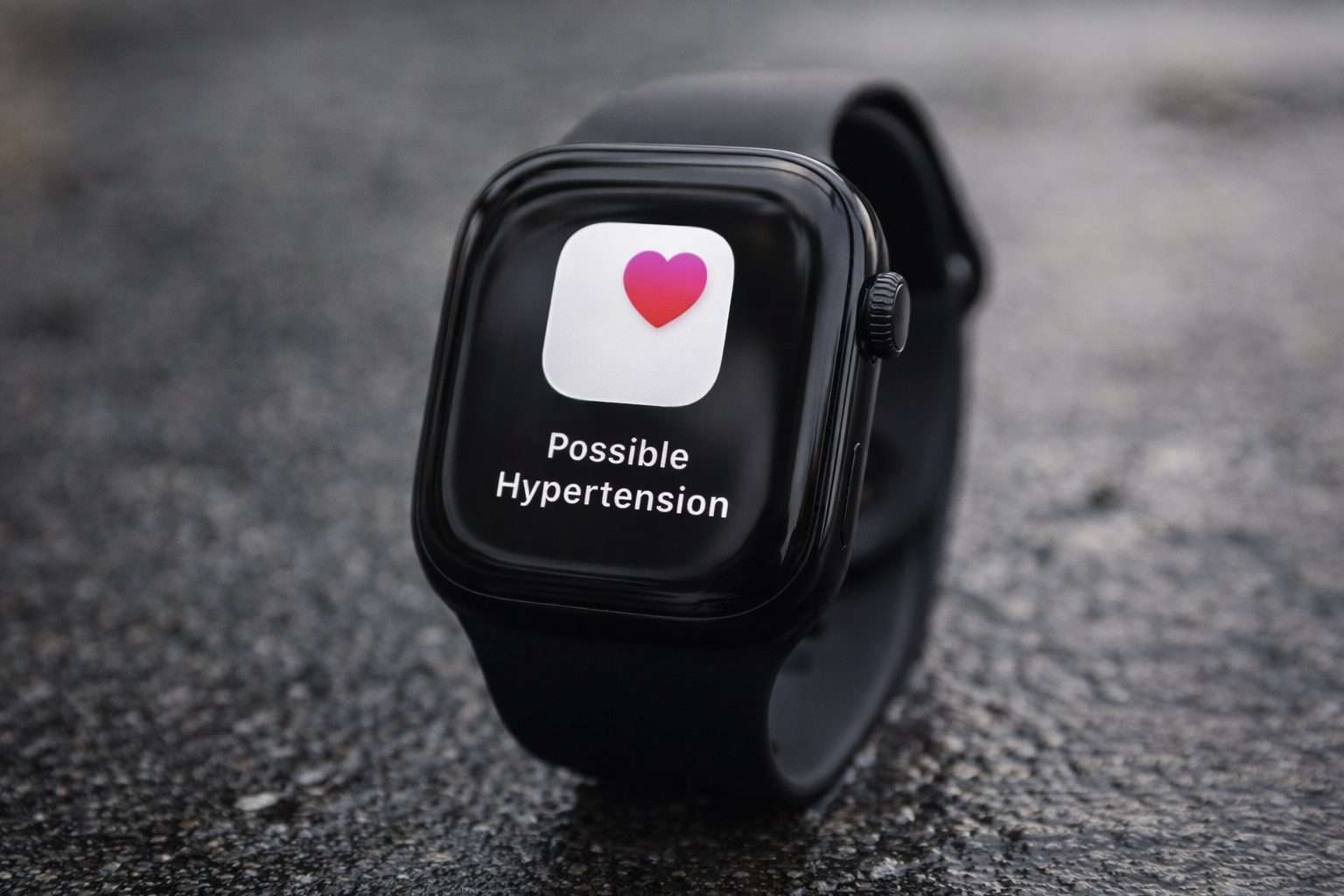
Apple has activated hypertension notifications for Apple Watch users in Australia, introducing a feature that detects potential signs of chronic high blood pressure. This alert works on Apple Watch Series 9 and newer, including Apple Watch Ultra 2 and above, by analyzing data from the watch’s optical heart sensor over 30-day periods. The system leverages machine learning, trained on information from over 100,000 participants, and its accuracy was confirmed in a clinical study involving more than 2,000 people. 1
The rollout is critical since hypertension is widespread, usually symptomless, and a leading cause of heart attacks and strokes. The World Health Organization reports that in 2024, 1.4 billion adults aged 30–79 had hypertension, with roughly 600 million unaware they had it. 2
In Australia, the software powering the feature was added to the Australian Register of Therapeutic Goods (ARTG) on Dec. 4, 2025—a necessary move for regulated medical devices. The ARTG labels it as “self-care monitoring web-based application software” and slots it into Class IIa, which sits in the mid-risk bracket of the country’s classification system. 3
According to Apple’s user guide, the watch alerts users if it spots signs connected to potential hypertension, then encourages them to measure their blood pressure using a third-party cuff over a week. Users can also schedule reminders for readings in the morning and evening, with all data recorded in the iPhone Health app. 4
Doctors saw the feature as a helpful prompt but emphasized it’s not meant to diagnose. RACGP Vice President Dr Ramya Raman described it as “a starting point” while cautioning it might “increase aspects of health anxiety” for some users. GP Dr David Adam noted that an Apple Watch alert “should prompt appropriate confirmation” from a healthcare professional. 5
Information Age reported that Apple rolled out the feature through a server-side update. It works only on Apple Watch Series 9 or later, including the Ultra 2, all running watchOS 26. The outlet highlighted that Samsung’s Galaxy Watch has a blood pressure app too, but it needs calibration using a TGA-approved cuff monitor. Meanwhile, Google is conducting a study involving up to 10,000 people to explore hypertension screening on Pixel Watch devices. 6
9News reported that Apple’s system doesn’t actually provide a blood pressure reading, despite relying on a sophisticated optical sensor to monitor blood vessel reactions with every heartbeat. Instead, when an alert triggers, users are advised to consult a doctor and manually enter cuff-based blood pressure measurements into Apple Health for a professional to assess. 7
Yet the feature comes with obvious boundaries and a major caveat: it might give users false confidence or cause undue worry. According to Apple’s support, the watch “is not a medical device,” can’t spot heart attacks, and won’t catch every case of hypertension. It also warns the alerts aren’t meant for anyone under 22, those already diagnosed with hypertension, or pregnant users. Plus, this feature isn’t available on the Apple Watch SE. 8