
Cupertino, California, April 14, 2026, 12:03 PM PDT
- Apple’s Mac installed base currently stands at roughly 260 million, but Horace Dediu thinks that figure could reach twice as much in ten years if the company accelerates its push into more affordable laptops.
- Apple posted the fastest growth among big PC makers in the first quarter, Gartner reported, thanks largely to demand for its MacBook Neo. Even so, the company still trailed Lenovo, HP, and Dell in overall shipments.
- Analysts point out that Apple could see some upside, but it may mean giving up some hardware margin to cover pricier memory and attract new Mac customers.
Apple is taking a margin hit with the $599 MacBook Neo, aiming to boost unit sales—and some analysts think that could translate to doubling its Mac user base within ten years. That’s a notable shift for Apple, which has traditionally ceded the lower-priced laptop segment to Windows-based rivals. Independent analyst Horace Dediu called the goal “worthy and achievable.” Asymco
Timing is crucial here. Apple is pushing further into the $500-$800 notebook segment at a moment when higher memory prices are pinching rivals across the PC space. Gartner reported that first-quarter PC shipments climbed, fueled by companies stocking up before prices head higher, but Apple outpaced every other major player. MacBook Neo, in particular, attracted new Mac buyers and schools, helping Apple chart the fastest growth.
On Monday, Dediu estimated that some 260 million Macs remain in use worldwide. According to MarketWatch, Bank of America analyst Wamsi Mohan believes Neo may spark “meaningful adoption” among people buying their first Mac—potentially attracting a different crowd than Apple’s more expensive Air and Pro models. Asymco
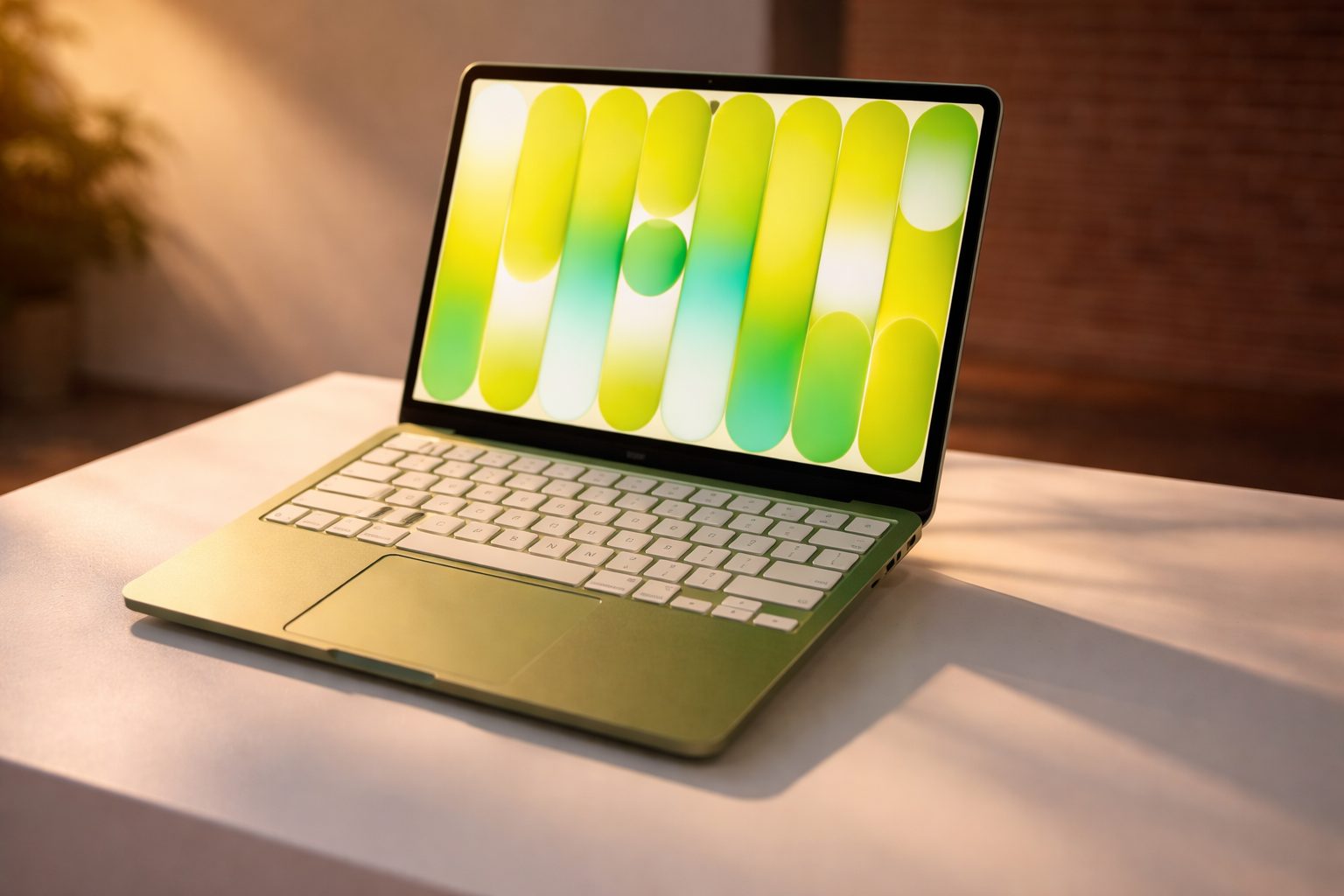
Apple pulled the wraps off the MacBook Neo on March 4, setting the sticker at $599—$499 if you’re buying for education. The company is pitching it as its most affordable laptop yet. It’s a 13-inch model powered by the A18 Pro chip. Hardware boss John Ternus said the aim was to make it “more affordable for even more people.” Apple
There’s now some hard shipment numbers behind the idea. Apple moved 6.684 million PCs in Q1, per Gartner—up 12.7% year over year, pushing its global market share to 10.6%. That still puts Apple in fourth place worldwide, trailing Lenovo, HP, and Dell. But Rishi Padhi at Gartner called Neo demand “robust” with first-time buyers and schools. Gartner
Mohan puts the potential size of the budget-laptop segment at $32 billion by 2026, but notes Apple isn’t even holding 1% of that pie yet. Seaport’s Jay Goldberg flagged the $500-to-$700 range as a sweet spot for established PC makers—high margins, lots of action. No surprise then, Apple’s latest move is grabbing plenty of attention.
The price isn’t the only thing that stands out here. Goldberg pointed out that Apple has been shelling out extra for memory chips as part of what he described as a “deliberate strategy”—they’re making things tougher for competitors, pushing them into either raising prices or settling for smaller memory specs. Back in January, Reuters noted that Apple was already flagging higher memory costs, with suppliers shifting focus to AI-centric chips. Asymco
Analysts figure Apple’s fine with it—after all, the ecosystem pays off down the line. Services revenue hit $30.0 billion last quarter, according to Apple’s latest 10-Q, and carried a fat 76.5% gross margin. That towers over the 40.7% margin from products. Put simply: every Mac sold is another chance to turn the buyer into a premium-margin customer for storage, apps, or subscriptions later on.
The trade-off isn’t theoretical. Goldberg flagged a risk: Apple’s product gross margin, that all-important post-cost figure, might slide down to the low-30% range. Gartner’s call? Rising DRAM and SSD costs could push PC prices up 17% by 2026. If memory supplies get tighter, Apple could face a tough call—either defend its profit margins or keep Neo’s price competitive.
Apple is set to post its fiscal second-quarter numbers April 30. The stock slipped roughly 0.4% to $258.24 during Tuesday afternoon trading in the U.S., as the market looks for concrete signs that lower-priced Macs might drive a meaningful expansion in the company’s long-term user base.