SAN FRANCISCO, Jan 23, 2026, 00:16 PST
- According to a report, Apple is working on an AI-powered wearable “pin.”
- While the device might hit the market by 2027, it’s still in early development and could be canceled.
- The report arrives while Apple is developing a significant Siri upgrade linked to Google’s Gemini models.
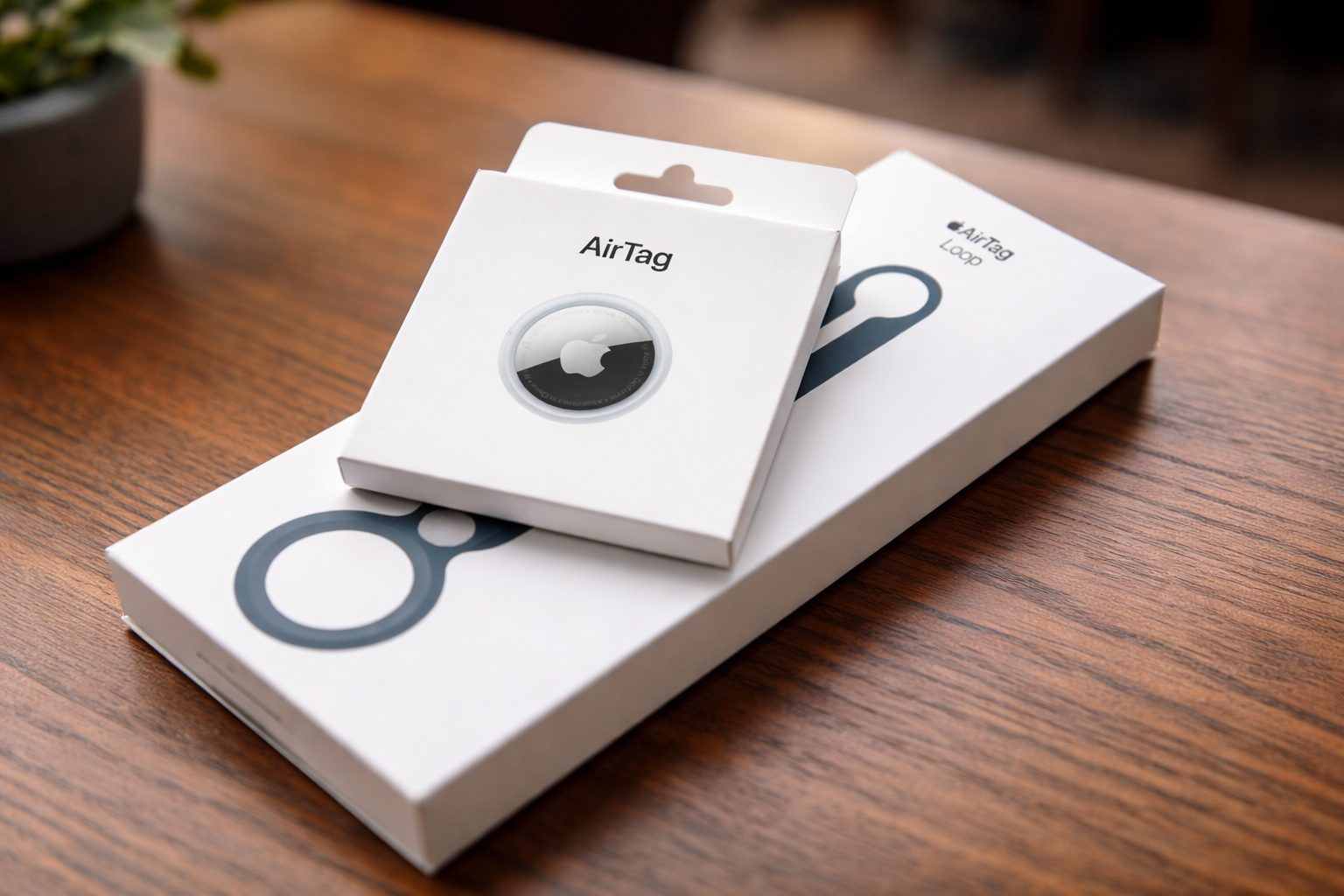
Apple is working on an AI-powered wearable pin about the size of its AirTag tracker, with a potential launch as early as 2027, The Information reported. 1
The report comes as Apple (AAPL.O) ramps up its AI efforts, planning to transform Siri into a chatbot by the end of this year, Bloomberg News revealed in a piece picked up by Reuters. Apple hasn’t responded yet to Reuters’ request for comment on the story. 2
Apple’s rumored pin-like device marks a move into a form factor that’s struggled to gain traction so far, while sharpening its battle against rivals rushing AI into new gadgets. According to The Information, the project aims to counter OpenAI’s device ambitions and Meta Platforms’ smart glasses, which already include their own AI assistant. 3
According to reports, the device looks like a thin, flat circular disc with an aluminum-and-glass shell, roughly the size of an AirTag but a bit thicker. It’s said to feature two front cameras, one of which is a wide-angle lens to capture a broader view, along with three microphones, a small speaker, a physical button, and wireless charging. How it would attach to clothing remains a mystery, as does whether Apple plans to sell it solo or bundle it with other gear. 4
Apple’s Siri overhaul, known internally as “Campos,” is set to integrate more deeply into its operating systems, introducing both voice and typing options, according to Bloomberg via Reuters. This update has become a key focus as Apple tries to close the gap with competitors following a lukewarm reception to its initial “Apple Intelligence” launch.
Apple’s AI strategy is leaning more on partners than expected, stirring debate alongside rapid progress. Tesla CEO Elon Musk slammed the move on X, calling it “an unreasonable concentration of power for Google.” Parth Talsania, CEO of Equisights Research, added that Apple’s decision “shifts OpenAI into a more supporting role.” 5
In a joint statement, the companies revealed that Apple picked Google’s models following a thorough review: “After careful evaluation, Apple determined that Google’s AI technology provides the most capable foundation for Apple Foundation Models,” Google said. Foundation models are large AI systems powering chatbots and similar tools. 6
New wearables loaded with cameras and microphones come with clear drawbacks, and the category hasn’t had an easy ride. Humane’s much-hyped AI Pin faced tough criticism and was eventually scrapped after HP swooped in to acquire most of the startup’s assets. It’s a sharp reminder that “always-on” AI devices quickly hit walls with battery life, privacy concerns, and real-world value. 7
The report has already ignited debate in tech circles. Some writers question if Apple really needs new hardware before wrapping up Siri’s overhaul. Others warn that tiny, pin-sized cameras might face backlash in public settings. Engadget Cnet 8
At this stage, the “AI pin” is still just a project rumor rather than an actual product, and its launch date could easily shift or disappear altogether. On Thursday, Apple shares edged up roughly 0.2%.