Sydney, March 30, 2026, 07:12 AEDT
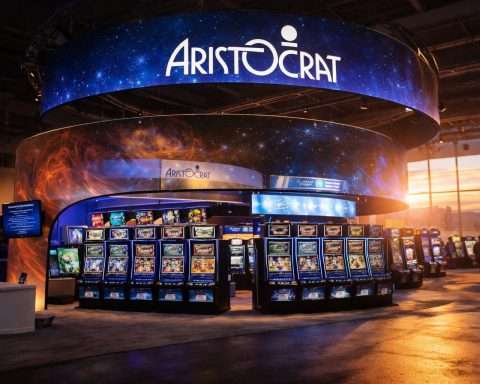
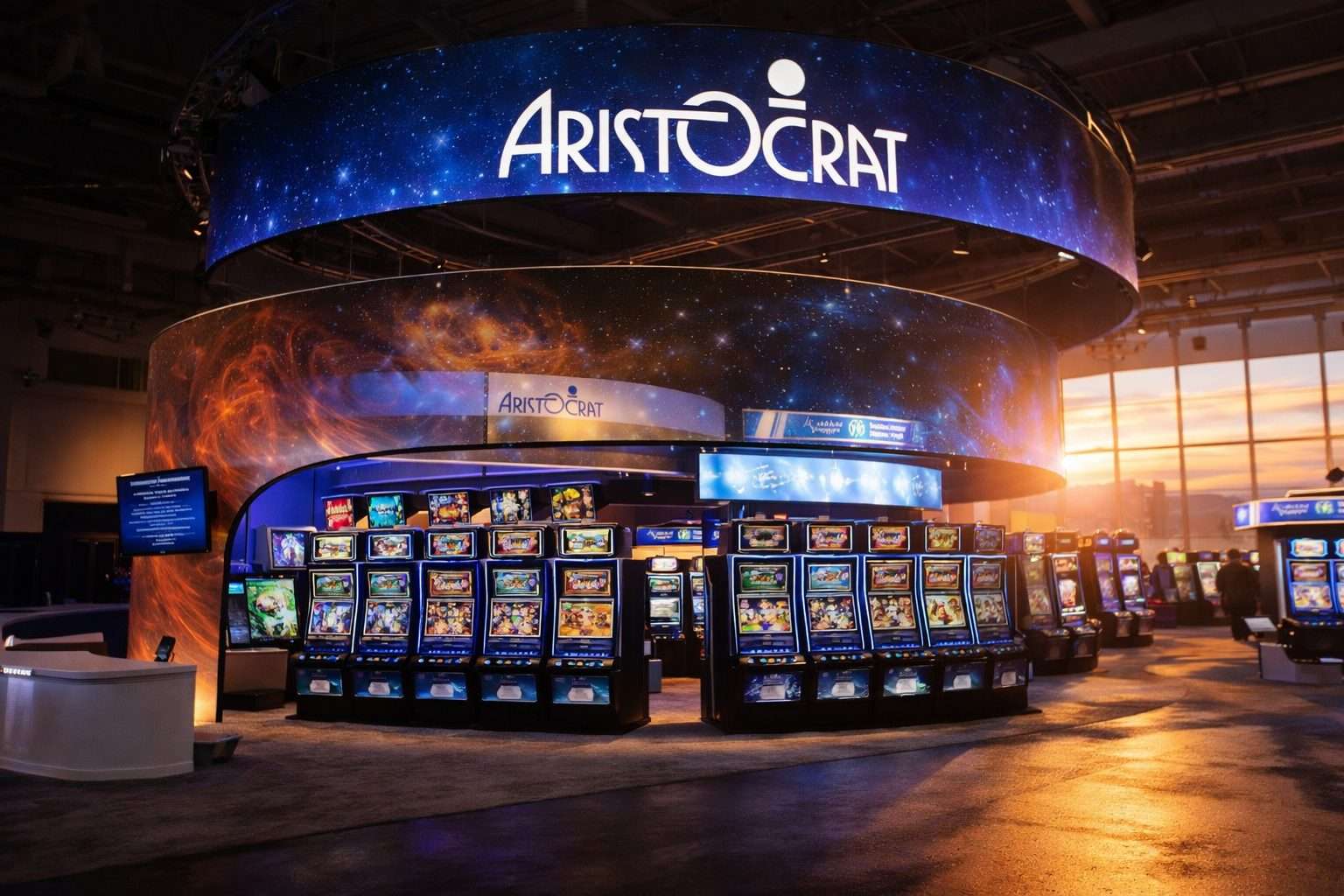
Aristocrat Leisure’s latest buy-back filing showed it repurchased 108,649 shares on March 26 for A$5.04 million, taking total spending under its enlarged on-market buy-back to about A$1.25 billion. That means the gaming supplier has now bought back 22.07 million shares and used just over 83% of the A$1.5 billion plan. 1
The pace matters because an on-market buy-back is a repurchase done through the exchange, giving investors a running read on how much cash a company is sending back to shareholders. Aristocrat only lifted the program to A$1.5 billion in January after buying back A$701.1 million of stock since February 2025, and Chief Executive Trevor Croker said then that “consistently strong cash flow generation” gave the group room to keep funding dividends, acquisitions and organic growth. 2
Aristocrat has had the cash to do it. The company reported FY25 revenue of A$6.297 billion and underlying profit of A$1.551 billion, while S&P Global Ratings said recurring revenue made up 72% of sales and strong free cash flow gave the group significant financial flexibility. 3
The buy-back is running alongside investment. Aristocrat said in February it bought U.S.-based Gaming Analytics, whose software uses real-time player analytics and slot optimization tools to help casino operators improve marketing and floor performance. 4
Competition remains tight. At Aristocrat’s AGM in February, Chairman Neil Chatfield said the group would keep defending its intellectual property, weeks after Light & Wonder agreed to pay $127.5 million to settle the companies’ Dragon Train dispute and permanently stop commercializing Dragon Train and Jewel of the Dragon. 5
Aristocrat’s shares last closed at A$46.01 on March 27, down 1.44% on the day, company data showed. After November results, Jefferies analyst Kai Erman called the stock “attractive at these levels” as he pointed to firmer North American gaming momentum, even as the company’s online push drew more caution. 6
But the swing question is still online real-money gaming and iLottery, the technology that runs digital lottery sales and operations. Erman warned in January that Aristocrat’s online content would “take longer than forecasts to ramp-up,” while S&P said further legalization in U.S. states could lift earnings but the timing and extent remained uncertain, and flagged regulatory exposure across more than 330 jurisdictions and 100 countries. 7
The next formal checkpoint comes on May 13, when Aristocrat is due to report first-half 2026 results. For now, the latest numbers suggest roughly A$250 million remains under the enlarged buy-back, leaving investors to judge whether cash returns stay this aggressive as the Interactive business tries to carry more of the growth load. 8