
Sydney, June 11, 2026, 07:03 AEST
- Aristocrat Leisure shares finished at A$52.82 on June 10, rising 2.15%. The stock beat the S&P/ASX 200, which added 0.57%.
- Aristocrat bought back 160,412 shares on June 9, spending A$8.28 million, according to the latest company update.
- Investors keep trading on the May earnings. The company posted higher per-share profit growth, boosted its buy-back, and scheduled an investor briefing for July 1.
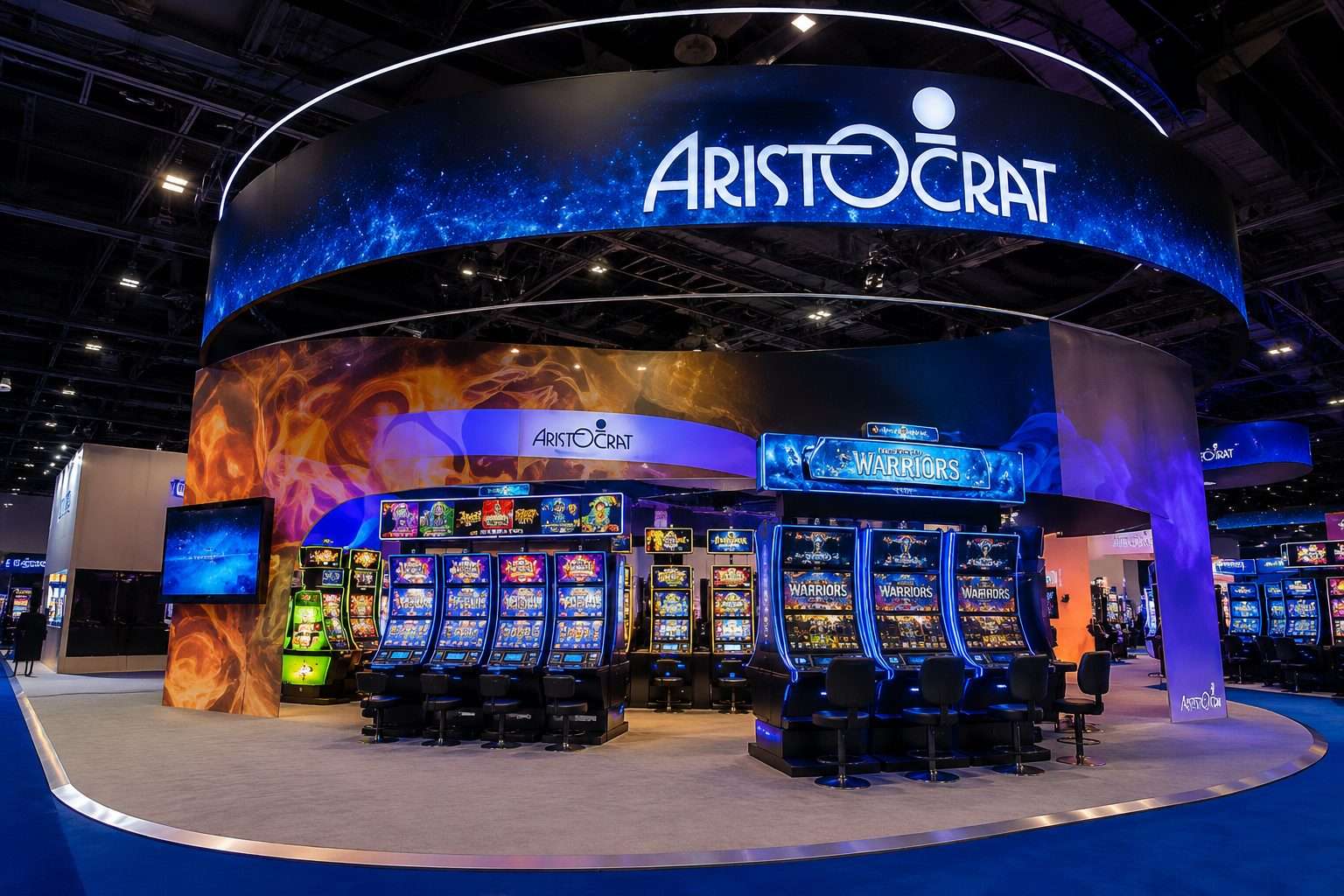
Aristocrat Leisure Limited jumped on Wednesday as traders stuck with the gaming stock after the company extended its buy-back. The shares finished at A$52.82, up A$1.11, or 2.15%. The S&P/ASX 200 gained 0.57% to 8,653.30.
Aristocrat disclosed a new share buy-back in an ASX filing, saying it bought 160,412 ordinary shares on June 9 for A$8.28 million. That adds to the 23.41 million shares it had already bought before that date. The tally puts total spending under the current buy-back program at about A$1.325 billion. That leaves around A$1.175 billion before hitting the A$2.5 billion limit.
Aristocrat is buying back its shares on market, picking them up through the exchange. Shareholders watch for these because fewer shares can help push up earnings per share if profits stay steady. Plus, daily disclosures signal the board continues to spend cash reducing the share count. In a notice dated June 10, Aristocrat said the buy-back program—now up to A$2.5 billion—runs through May 12, 2027.
The buy-back is getting more attention after Aristocrat’s strong half-year print. For the six months ended March 31, normalised revenue was A$3.03 billion, almost unchanged in reported terms but up 6.4% on a constant currency basis. Normalised NPATA rose 8.4% to A$794.0 million, or 16.3% higher on a constant currency basis. EPSA was up 19.1% in constant currency terms.
Chief executive Trevor Croker said the numbers showed “market share gains in key segments” and that operating leverage was stronger. The company also declared a 50-cent unfranked interim dividend to be paid on July 1.
Aristocrat’s main land-based gaming arm kept driving results. Aristocrat Gaming reported A$1.96 billion in revenue for the half, a 4.9% increase. Profit was A$1.06 billion, up 3.0%. North America installed units hit 77,242, with about 2,000 added. Market share in the region climbed to 43%. In Australia and New Zealand, ship share rose to 48%, up from 30%.
Product Madness posted stronger social casino numbers, keeping investors in the mix. Social casino revenue gained 4.7% to US$541.7 million. Profit was up 3.6% at US$253.0 million. But overall Product Madness revenue slipped, with most Social Casual sales gone from the picture after the Big Fish asset sale. The company also bumped up direct-to-consumer, which made up 23.9% of social casino revenue, reducing how much it depends on app store channels.
Aristocrat Interactive is the weaker part. Total revenue, counting its share from the NeoPollard Interactive joint venture, climbed 6.5% to US$230.3 million. But profit dropped 10.6% to US$64.3 million as the company put money into new acquisitions and moved out of White Label. That’s important since Interactive is key to Aristocrat’s FY29 plan for US$1 billion in revenue.
Aristocrat shares are still off their highs. The stock last traded at A$52.82, down about 27.5% from its 52-week top of A$72.88. That gap is in focus as the company buys back stock at a discount to last year’s peak. Management has reiterated its outlook for constant currency full-year NPATA growth.
Buy-backs don’t solve everything. Reported revenue for Aristocrat stayed flat, even though constant-currency revenue grew. Margins at Interactive fell. Product Madness brought in less revenue after changes to its portfolio. Aristocrat recorded a A$45 million litigation cost recovery in the normalised results from the Light & Wonder settlement, but that’s different from real operating growth.
Aristocrat’s next check-in is coming up fast. The company set July 1 as the date for its 2026 investor update and interim dividend payout. That puts management on the spot again to prove the A$2.5 billion buy-back is lining up with ongoing market-share growth, and not just propping up the stock.