
Sydney, June 11, 2026, 06:02 AEST
• Telstra Group Limited ended Wednesday at A$5.18, gaining 1.97%. Shares moved in a A$5.07 to A$5.18 range.
• Investors are working through a new company filing about the cancellation of 25.4 million shares from Telstra’s finished on-market buy-back, rather than an earnings report. AFR Company Announcements
• The focus shifts now to whether mobile revenue, cost discipline and Telstra’s FY26 guidance do enough to keep dividend and EPS forecasts on track after the buy-back.
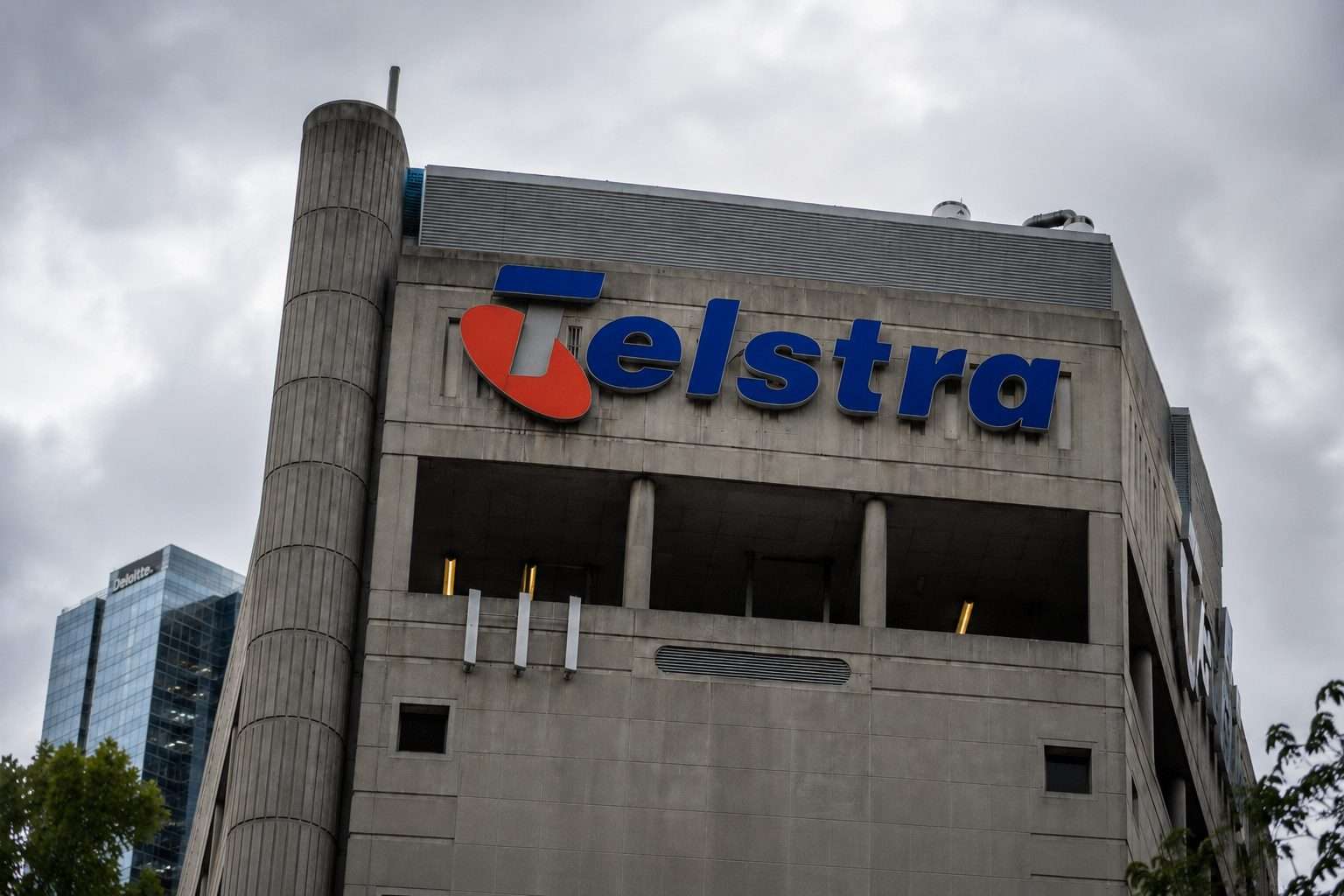
Telstra Group Limited shares climbed Wednesday, with investors returning to the capital-return theme after the company’s latest ASX filing showed more bought-back shares have been cancelled. That move lowers the share count for Australia’s biggest listed telco. The stock finished at A$5.18, up 10 cents, or 1.97%, from A$5.08 Tuesday, according to Reuters and Yahoo Finance data.
Telstra’s latest filing put clear numbers to its buy-back plan. According to an Appendix 3H lodged Tuesday, Telstra cancelled 25,413,931 ordinary shares after repurchasing them on-market, with the buy-back totalling A$133.7 million. The reduction from the cancelled shares means fewer shares outstanding in the market. An on-market buy-back happens when a company buys its own stock through the exchange and cancels them.
Telstra investors are watching share count now. The company said shares bought back between May 18 and June 4 were cancelled in stages through June 9, bringing the total on issue to 11,139,136,247 ordinary shares. Share count drives earnings per share and dividend potential since profits are spread over those shares, though it’s not an earnings figure.
Telstra canceled the shares after its final buy-back notice last week. The company bought back 245,892,740 ordinary shares for A$1,249,999,998.72, finishing its A$1.25 billion buy-back. It paid as much as A$5.40 per share on April 2 and as little as A$4.78 on October 8.
The market moved higher on Wednesday, with the S&P/ASX 200 up 49.10 points, or 0.57%, to close at 8,653.30. The All Ordinaries put on 32.20 points, or 0.36%, a market wrap showed. Telstra rose 1.97% on the session, beating the major index.
Defensive names moved up Tuesday, with telcos, consumer and healthcare stocks trading higher as investors left riskier sectors. The ASX shook off an early drop as Telstra, TPG Telecom and Chorus were among the top gainers. That backdrop made it easier for Telstra’s capital-return pitch to land with investors already putting money into cash-flow plays.
Telstra’s pitch to investors is still about its operations, not just buy-backs. In its February update, the company reported a 5.5% gain in first-half underlying EBITDAaL and a 14% lift in cash EBIT. EBITDAaL stands for earnings before interest, tax, depreciation and amortisation after lease costs. It strips out financing and accounting charges but includes leases, a standard number in telecom.
Mobile is still Telstra’s core driver. The company reported a A$93 million jump in mobile EBITDA for the first half, lifted by higher ARPU and more users on its network. Mobile services revenue was up 5.6%. That’s important because Telstra’s premium pricing relies on its ability to keep raising prices without seeing too many defections to rivals like TPG and Optus.
Dividend returns matter for retail holders too. Telstra paid an interim dividend of 10.5 cents a share for the first half, up 10.5% on a cash basis. The payment was 90.5% franked. Franking credits are Australian tax credits that attach to some dividends and can boost the payout for some domestic investors.
Telstra chief executive Vicki Brady put the focus on earnings quality in the half-year result, not revenue growth. “The first half of FY26 was a strong period for Telstra,” Brady said in the market release, citing momentum in earnings, tight cost controls and capital discipline. Underlying operating expenses dropped by A$179 million, or 2.4%, Telstra said, which more than made up for higher costs. Telstra.com
Buy-back support for Telstra looks set to fade. The company has wrapped up the A$1.25 billion share buy-back it had used to retire stock, leaving the board to decide if another buy-back is coming. The shares, now at A$5.18, are trading not far below the A$5.40 Telstra paid at the buy-back’s peak, making further gains from capital management less likely.
Focus swings back to FY26 delivery now. Telstra narrowed its underlying EBITDAaL range to A$8.2 billion to A$8.4 billion, kept business-as-usual capex at A$3.2 billion to A$3.5 billion, and set cash EBIT guidance at A$4.55 billion to A$4.75 billion. Next up is the full-year result, which will show if mobile growth and cost cuts are enough to keep pushing up cash earnings once the buy-back boost runs out.