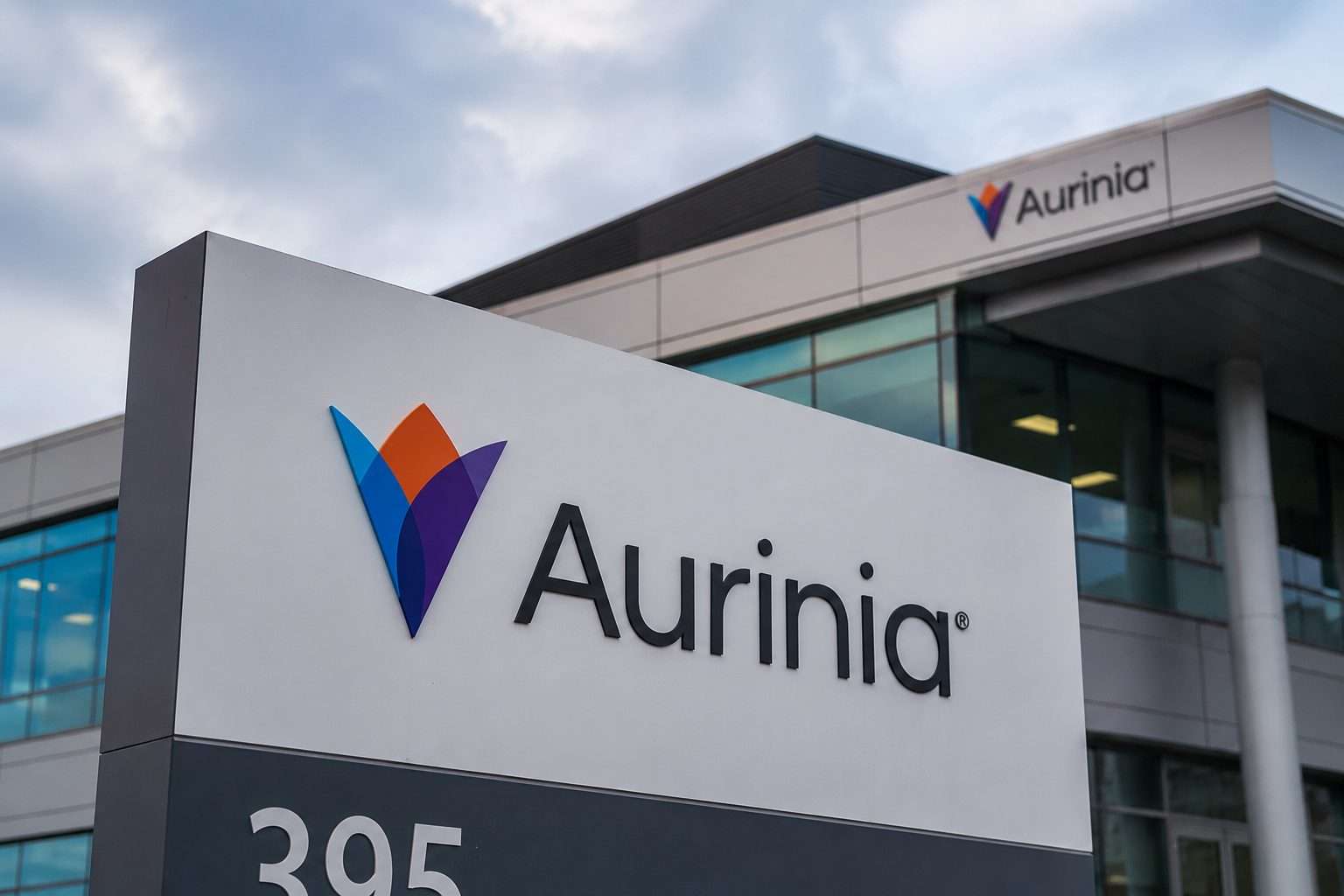

New York, May 29, 2026, 12:05 ET
- Aurinia shares slipped roughly 0.9% in late morning trading on the Nasdaq.
- The move trailed a mixed biotech session, with XBI just up while IBB slipped a bit.
- Investors shrugged off light company news on Friday and focused on Lupkynis sales and the June 3 shareholder meeting.
Aurinia Pharmaceuticals Inc. slid in Friday’s Nasdaq session. The stock lagged a mixed biotech sector. Traders were watching the Lupkynis sales outlook. There wasn’t a new press release from the company.
The stock traded 0.9% lower at $15.21, giving it a market cap near $2.1 billion. The SPDR S&P Biotech ETF edged up around 0.1%. The iShares Nasdaq Biotechnology ETF was off roughly 0.1%.
Aurinia still trades on just one approved drug, Lupkynis. The key now is whether management can keep Lupkynis sales climbing while also pushing aritinercept, its next autoimmune candidate, through development.
Aurinia Pharmaceuticals’ public news page showed the May 7 first-quarter earnings release as its most recent update. Friday’s trading leaned on positioning and sector flows, with investors waiting for the next company event instead of reacting to a new trial or filing.
Aurinia reported first-quarter revenue up 24% to $77.7 million this month. Net sales for Lupkynis, after rebates, climbed 23% to $73.6 million. The company stuck to its 2026 revenue guidance of $315 million to $325 million. CEO Kevin Tang said Lupkynis was “emerging as a standard-of-care treatment” for lupus nephritis. Aurinia Pharmaceuticals
Governance is on the calendar next week. Aurinia’s proxy said the shareholder meeting is set for June 3 at noon Eastern, virtual-only, with votes on board members, auditor, and executive compensation.
Tang is still in focus for the stock. RBC Capital Markets analyst Douglas Miehm called Tang’s background a “proven operational track record,” and Leerink Partners analyst Joseph Schwartz said Tang’s work with Concentra Biosciences usually signals “some sort of transaction” as the end game, according to Investor’s Business Daily after Aurinia’s management shakeup in March. Investors
Aurinia says competition for its oral therapy Lupkynis isn’t letting up. In its annual report, the company listed Benlysta from GSK and Gazyva from Genentech, Roche’s U.S. unit, as competing FDA-approved injectable treatments in lupus nephritis. The report also points to older off-label drug combos still used by doctors.
But risk remains. Aurinia said most of its business depends on selling Lupkynis, its only approved drug. If sales slow, if doctors don’t switch, or if rivals step up, Lupkynis growth could stall. That’s the downside investors are weighing against the 2026 sales outlook.
S&P 500 and Nasdaq traded higher earlier Friday as the rest of the market held up. Reuters said major U.S. indexes looked set to notch another weekly gain, lifted by softer geopolitical concerns and gains in tech stocks.
Aurinia shares didn’t budge by midday. Traders now are looking for new details on Lupkynis, cash returns, and aritinercept after the June meeting, which could be the next real driver for the stock rather than broad index moves.