
CANBERRA, March 11, 2026, 07:08 AEDT
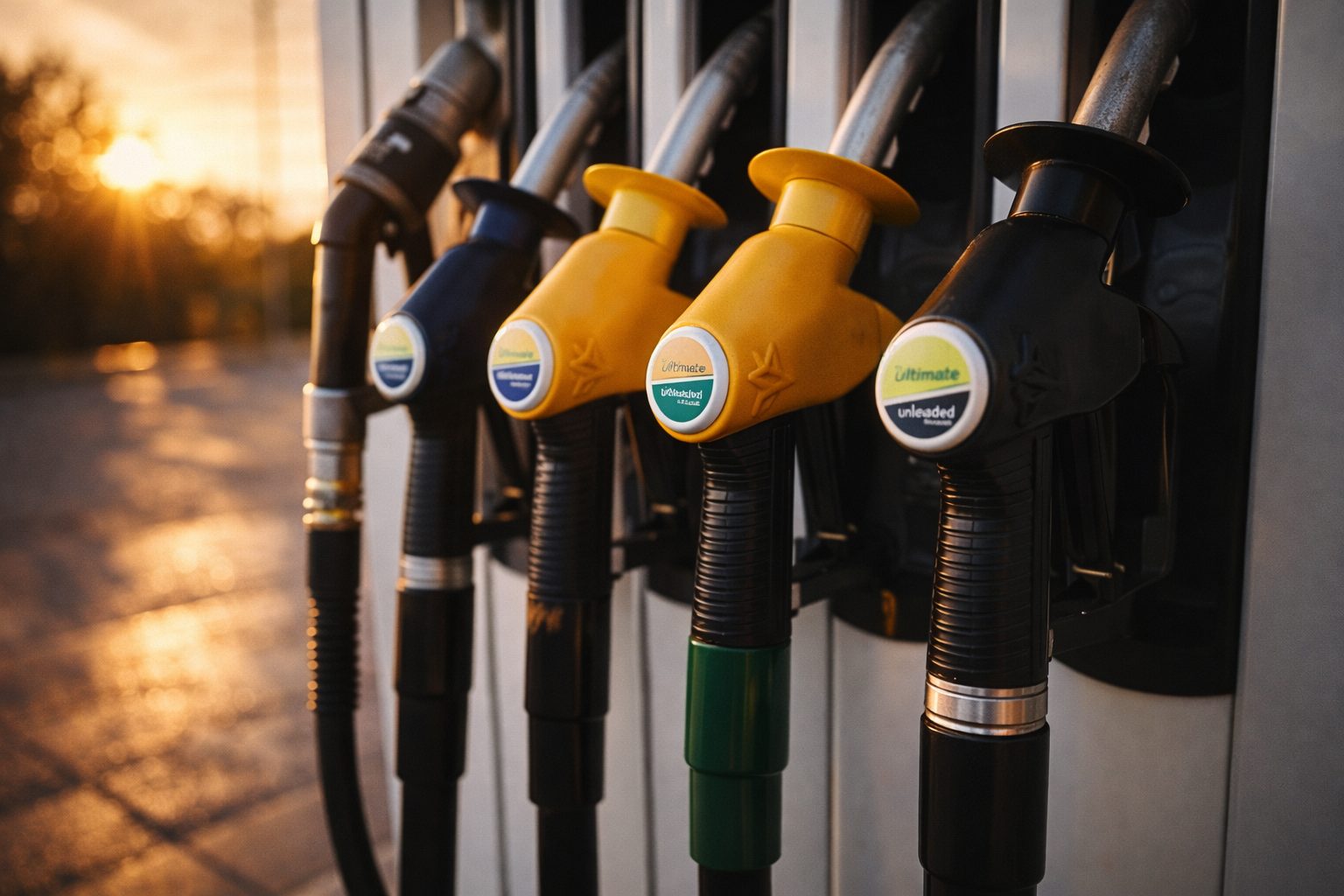
Australia’s competition watchdog, the Australian Competition and Consumer Commission, is scrutinising fuel prices and supply practices after diesel hit 259.9 Australian cents a litre near Dubbo and prices moved above A$2.50 in some areas as Middle East disruption rippled through the market. The regulator has asked fuel companies what reserves they hold and what they are charging.
The surge matters because it is moving quickly beyond motorists and into farm, freight and food costs. NAB senior economist Taylor Nugent said inflation would “peak above 5 per cent in Q2” unless fuel benchmarks retreated, while a Victorian orchardist told ABC he faced an extra A$10,000-A$20,000 a week for diesel that he could not easily pass on. ABC News
ACCC deputy chair Mick Keogh said the agency was checking whether local prices looked “out of all kilter” with international moves. He said the watchdog was also alert to anti-competitive behavior, including cases where an importer stopped supplying independent retailers while keeping its own outlets stocked. ABC News
The ACCC had already warned retailers not to mislead motorists about why prices were rising. Commissioner Anna Brakey said false or misleading explanations for higher prices could breach Australian Consumer Law, and the agency said it had written to major fuel companies to spell out its expectations as events in the Middle East unfold.
Supply is tightening unevenly. United Petroleum has started rationing deliveries to service stations, while Ampol and Viva were among wholesalers restricting sales to contracted customers, ABC reported; on the New South Wales Mid North Coast, one town’s only outlet said it sold out in two days.
Energy Minister Chris Bowen said Australia had 36 days of petrol, 34 days of diesel and 32 days of jet fuel available, and argued the bigger short-term danger was panic buying. Those stocks sit within Australia’s minimum stockholding obligation, a federal rule requiring importers and refiners to keep baseline volumes of petrol, diesel and jet fuel available for domestic use.
The debate over how secure those stocks really are has turned on technical definitions. A government explainer says the domestic stockholding system counts fuel on land, in pipelines and on ships within Australia’s exclusive economic zone, the waters off its coast used in the calculation, while the International Energy Agency’s 90-day rule is a separate test based on net imports, or imports minus exports; it also says Australia has not held any stock overseas under the IEA arrangement since July 2022. The Australian Financial Review retracted a March 10 column after saying its claim that a “significant portion” of Australia’s strategic fuel reserve was outside Australian waters was factually incorrect. DCCEEW
Global conditions are still unstable. Reuters reported that roughly a fifth of the world’s oil normally passes through the Strait of Hormuz, Brent briefly surged to nearly $120 a barrel on Monday and Southeast Asian refineries, including sites in Singapore, have begun cutting output as Middle East crude cargoes are delayed. Bowen said Australia gets most of its petrol from Singapore and Southeast Asia.
Analysts say that leaves Australia exposed even if domestic stocks stay above legal minimums. RBC’s Helima Croft described the upheaval as the “worst oil supply shock since the 1970s”, while Betashares chief economist David Bassanese said some Middle Eastern producers were winding down output because they could not ship product and storage tanks were filling. ABC News
The risk for Canberra is that a global supply shock turns into a local distribution crunch. Keogh said the ACCC was watching for conduct that could shut independents out of supply, and the hit is already spreading beyond road fuel: Qantas said it would raise international fares this week because it was not fully covered for a 150% spike in recent fuel costs.