CANBERRA, March 26, 2026, 22:54 AEDT
Australia is not actively considering fuel rationing, even as Treasurer Jim Chalmers said a government scenario that had inflation reaching 5% now looks “pretty conservative”, a sign the oil shock is already overtaking February’s mild easing in consumer prices. The remarks leave Canberra trying to calm motorists while warning that the economic hit from the Middle East conflict is getting worse. 1
That matters because the softer February reading already looks stale. Annual consumer price inflation slowed to 3.7% from 3.8%, and the trimmed mean — the Reserve Bank of Australia’s core gauge that strips out big price swings — held at 3.3%, but the ABS said automotive fuel fell 3.4% in February before the latest energy shock hit. 2
Markets are now focused on March and June, not February. The RBA lifted the cash rate, its benchmark interest rate, to 4.10% last week, and investors still see a May increase as roughly a toss-up. 3
Chalmers said Treasury had been asked to model “more challenging circumstances” after last week’s scenario, built around oil at $120 a barrel, appeared too mild. Oil briefly touched $119 this week, and the treasurer said the length of the war and the time needed for the global economy to get “back on track” were now the big variables. 4
The Albanese government has meanwhile tried to head off talk of pump limits. Energy Minister Chris Bowen said Canberra would not impose an A$40 retail cap mentioned in a 2019 emergency plan, and other ministers said Australia was “not there yet.” 1
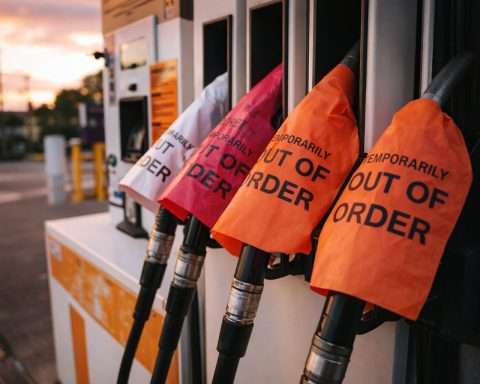
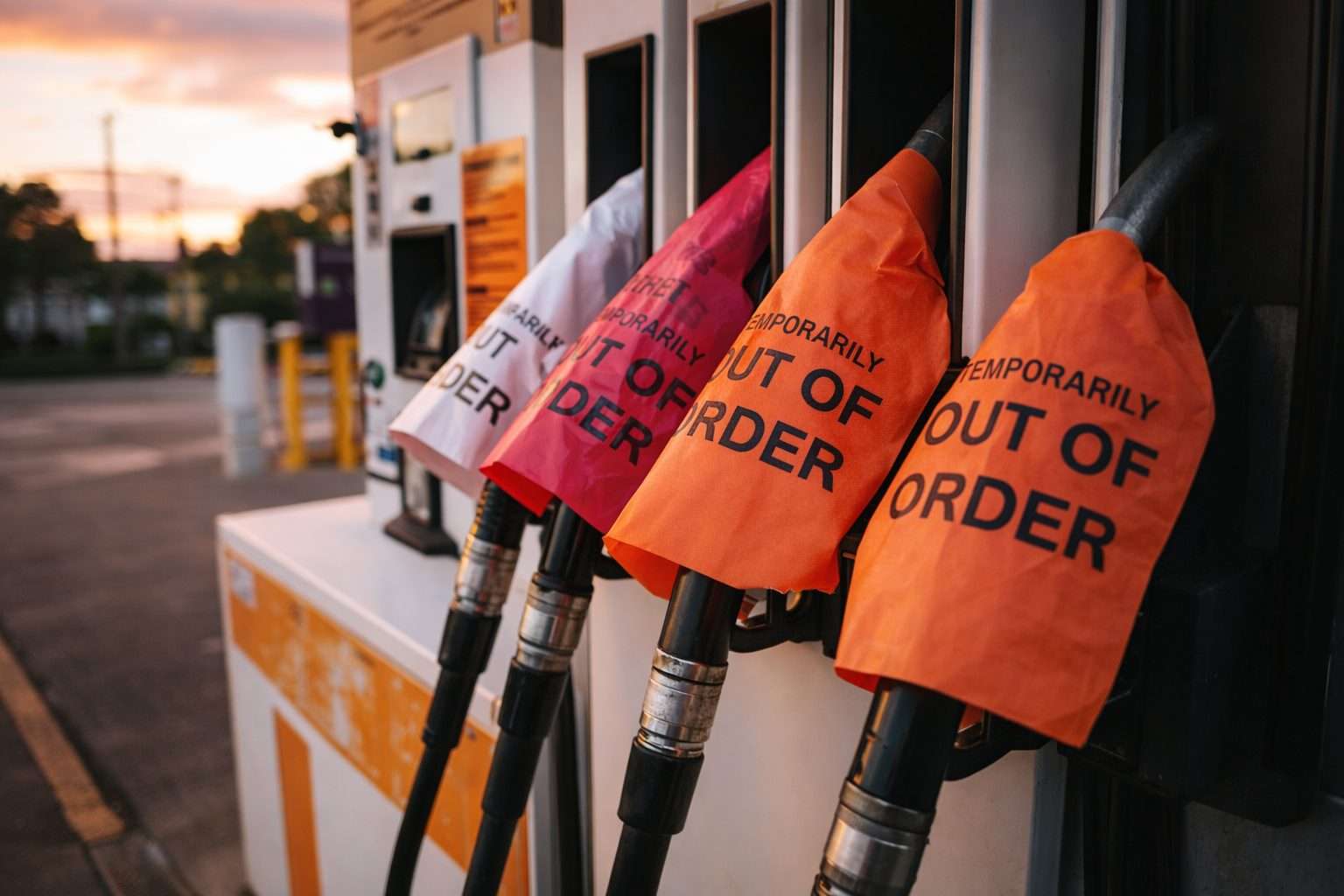
That has not ended the squeeze. Australia imports about 90% of its fuel, Bowen said on Sunday. Localised shortages persist, several hundred stations are missing at least one fuel grade, and six delayed or cancelled shipments from Asia have since been replaced. The government has eased diesel specifications to draw in more supply and says Australia holds 38 days of petrol and 30 days of diesel and jet fuel. 5
International Energy Agency chief Fatih Birol called Australia’s current storage a “solid number” this week, but he also pointed to conservation steps such as working from home, lower speed limits and less business travel if conditions deteriorate. 6
The February CPI breakdown still showed sticky domestic pressure. Housing was the biggest driver of annual inflation at 7.2%, with electricity up 37.0% as household rebates rolled off, while food and non-alcoholic beverages rose 3.1%, ABS data showed. 7
Economists say the fuel shock is likely to overwhelm that backward-looking picture. Westpac chief economist Luci Ellis said February was only the “starting point” before the conflict and “will be overtaken by events,” with headline inflation likely to reach about 5%; Russel Chesler, head of investments and capital markets at VanEck, said higher energy costs were likely to feed into transport, goods and services. 4
Reserve Bank of Australia Assistant Governor Christopher Kent struck a similar note on Thursday. The longer the conflict drags on, he said, the greater the economic damage, and policymakers have to stop an oil shock from pushing up longer-term inflation expectations and turning a one-off jump into something broader. 8
The supply strain is also pulling the big fuel names closer to regulators. The Australian Competition and Consumer Commission last week gave members of the Australian Institute of Petroleum, including Ampol and Viva Energy, interim approval to coordinate supply to ease shortages, but barred them from sharing pricing information. 9
But this can still swing fast. A quicker de-escalation or smoother shipping flows would limit the pass-through into freight, food and household bills; a longer disruption could leave February’s softer CPI as little more than a pause and push Canberra and the RBA into harder choices on support, supply controls and rates. 4