
London, April 27, 2026, 15:03 BST
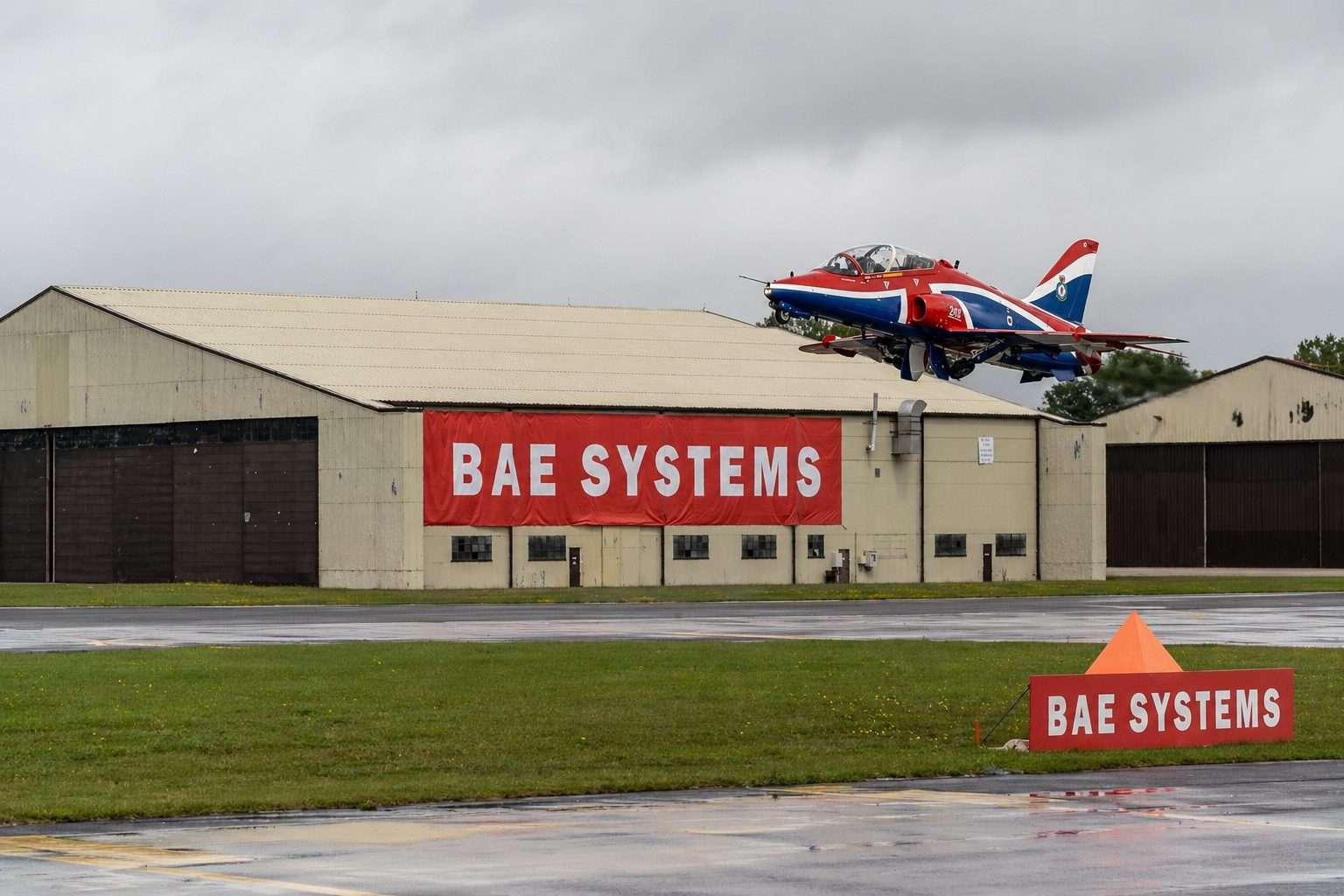
BAE Systems plc is staring down a looming funding crunch for Britain’s next-generation fighter-jet effort, GCAP, with a 10-week window to lock in fresh government support or risk team breakups, the Financial Times reported. The FT’s aerospace and defence section quoted BAE saying staff could be “redeployed” if the money doesn’t land. Financial Times
Timing is tight here. GCAP handed its first international design contract to Edgewing this month, but it’s set to expire in June 2026. That doesn’t leave ministers much breathing room to convert political promises into actual funding. As Defense News put it, the deal acts as a “bridge” to keep the wheels turning while the UK hammers out its defence investment plan.
GCAP—short for Global Combat Air Programme—brings together the UK, Italy, and Japan in a push for an advanced combat jet. BAE heads up the British team, while Leonardo takes charge for Italy, and Japan Aircraft Industrial Enhancement Co. Ltd. represents Japan. They’re aiming for a 2035 rollout.
The funding deadline coincided with fresh share buys from BAE. According to a regulatory filing, the company picked up 532,418 ordinary shares between April 20 and April 24, planning to cancel them—a reduction in shares outstanding.
BAE’s recent share purchases came via Morgan Stanley, part of the company’s buyback initiative that kicked off in August 2023. According to the filing, BAE picked up 21.7 million shares in the second tranche, paying an average 1,910.65 pence each.
Shares climbed 1.1% to 2,042 pence as of 13:46 in London, coming off a Friday close at 2,020.50 pence. The stock is still trading under its 52-week high of 2,360 pence, market data shows.
Shareholders see the buyback as a sign of reliable capital returns. The bigger concern for the government is GCAP: BAE’s order pipeline and those long defence cycles hinge more on ministries signing contracts when they’re supposed to, not on what the share price does day to day.
BAE started the year on strong footing. February numbers showed full-year operating profit climbing 12%, with the order backlog hitting a new high at 83.6 billion pounds. Chief Executive Charles Woodburn spoke of a “new era of defence spending,” adding the group was “well positioned” to capture rising demand. Reuters
Masami Oka, chief executive at GCAP, described the Edgewing contract signed this month as an “important moment for GCAP,” with the project shifting from isolated national deals to one international programme. According to Breaking Defense, the 686 million pound agreement covers design and engineering, running through June. Breaking Defense
Competitive heat is rising, too. Last week, Reuters said France and Germany are still locked in a standoff over the FCAS fighter project, with Dassault Aviation and Airbus still clashing over who leads development of the main fighter platform. Any delays for GCAP threaten to undercut one of the only other next-gen fighter options in Europe.
BAE’s portfolio includes more air-combat programs. Back in March, the UK and Türkiye struck a multi-billion-pound deal covering Typhoon training and support. Suppliers on the contract list: BAE, Leonardo UK, MBDA, Rolls-Royce, and Martin-Baker, all providing parts and training gear.
The risk isn’t hard to spot. Should UK funding miss the cutoff before the bridge contract ends, BAE and its partners might run into hold-ups, possible staff reshuffles, and mounting demands from Italy and Japan about hitting the 2035 service goal. Buybacks can give earnings per share a lift, but they won’t stop engineering teams from drifting if the contract money dries up.