
LONDON, June 27, 2026, 19:10 (BST)
- BAE ended Friday at 1,808p, falling 2.1% from last Friday’s 1,846.5p close. About 36% of the week’s trading volume came from Thursday’s selloff.
- The new £500 million tranche would pick up around 27.7 million shares at Friday’s closing price. That’s more than the 26.1 million shares bought in the second tranche, which had an average price of 1,917.45p.
- Defence spending plans are set to drive the UK market next week, not earnings. BAE has its half-year results scheduled for July 30.
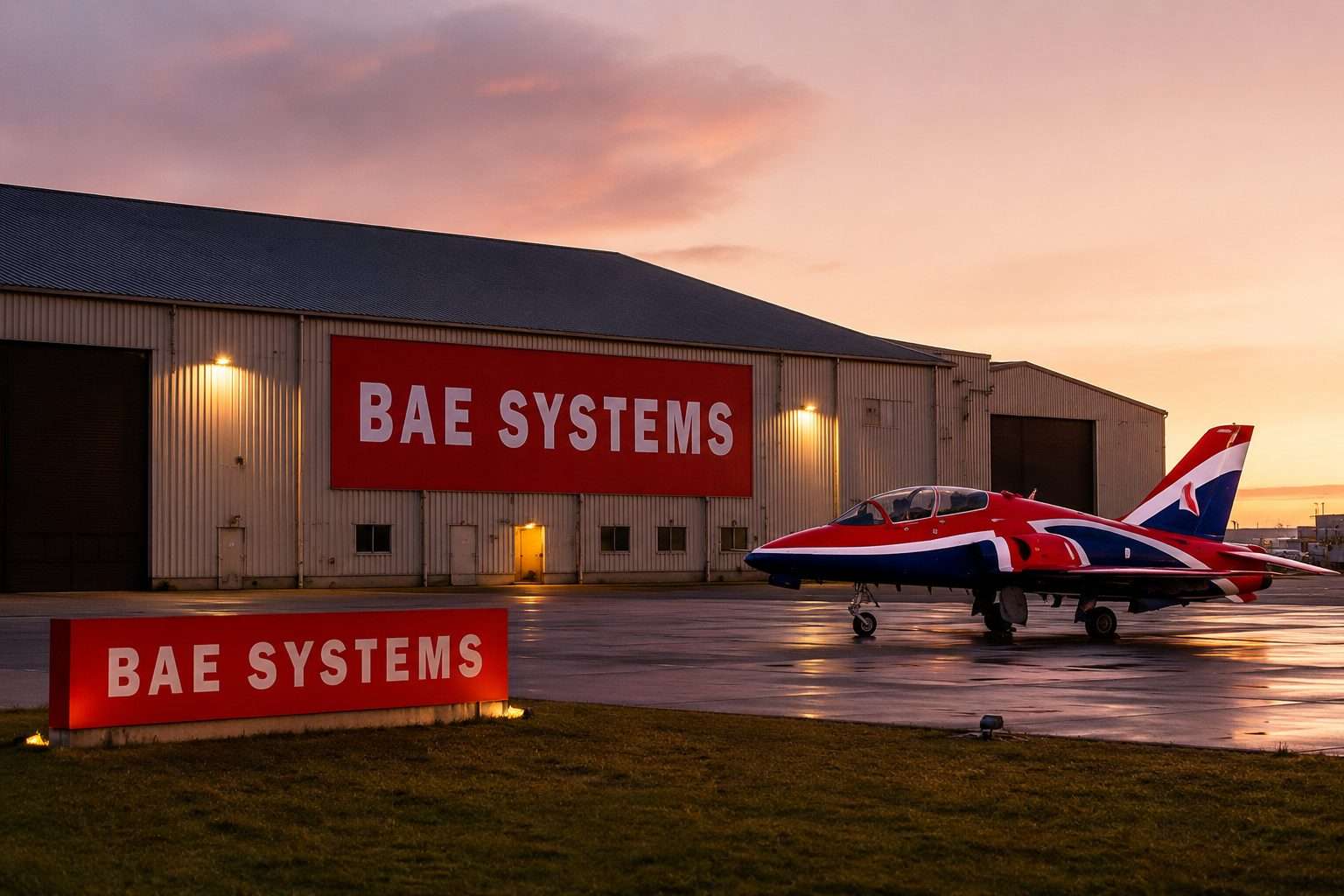
BAE Systems plc LON:BA had a mixed week, bouncing on Friday while the broader market slumped, but still posted a lower finish over five days. The dip means its fresh buyback program will pick up more shares with the same money.
BAE closed at 1,808p in London, up 0.89% for the day, Hargreaves Lansdown data said. The FTSE 100 lost 0.21% on Friday. But BAE finished the week 2.1% lower than last Friday’s close.
Trading was focused during the week, with 44.8 million shares moving from Monday to Friday. Volume peaked on Thursday at 15.99 million shares, which was 35.7% of the week’s total, as the stock dropped 1.78%. On Friday, the stock rebounded with 6.44 million shares traded.
BAE got back into the market for its own shares Monday, launching the third part of its buyback plan. The company is targeting up to £500 million in open-market buys before June 30, 2027 as part of a larger buyback of up to £1.5 billion. The shares from this round will be cancelled.
At 1,808p, spending £500 million would take out about 27.7 million shares. At 1,917.45p—the average price paid in the second tranche reported June 1—the same £500 million picks up about 26.1 million. The difference works out to around 1.6 million shares, not counting fees or price moves.
For investors, one thing a pullback does is let the buyback program pick up more shares per pound. On the downside, the stock is still well off its highs. Google Finance shows the 52-week range running from 1,529p to a high of 2,360p, with shares closing Friday about 23% under that peak but 18% above the bottom.
BAE is waiting on the next move from policymakers. The Financial Times said Friday that Prime Minister Keir Starmer plans to lift UK defence spending by at least £1 billion, bringing total extra funding to between £14.5 billion and £15 billion spread over four years. The Guardian reported this week that Defence Secretary Dan Jarvis has pledged to deliver the much-delayed Defence Investment Plan before the NATO summit on July 7-8.
BAE’s plan matters to investors who want clear programme timing beyond just talk of budgets. In May, BAE stuck to its 2026 outlook: sales seen rising 7% to 9%, underlying EBIT up 9% to 11%, and underlying EPS also gaining 9% to 11%. The company kept its free cash flow target at over £1.3 billion. “We’ve delivered a strong start to 2026,” Chief Executive Charles Woodburn said.
China put Ball Aerospace & Technologies Corp. on an export-control list this week along with nine other U.S. firms, the South China Morning Post said. BAE finished buying Ball Aerospace in 2024 and renamed it Space & Mission Systems.
BAE named Michelle Hinchliffe to its board as a non-executive director starting Sept. 1, according to a Friday filing. She will also take a seat on the Audit and Risk Committee. “Her background in finance and accounting adds depth to the Board,” chair Cressida Hogg said. The company said the filing was about board matters, not orders. TradingView
BAE’s financial calendar puts half-year results on July 30. That leaves next week without a set earnings date to shift numbers.