
LONDON, March 31, 2026, 15:53 BST
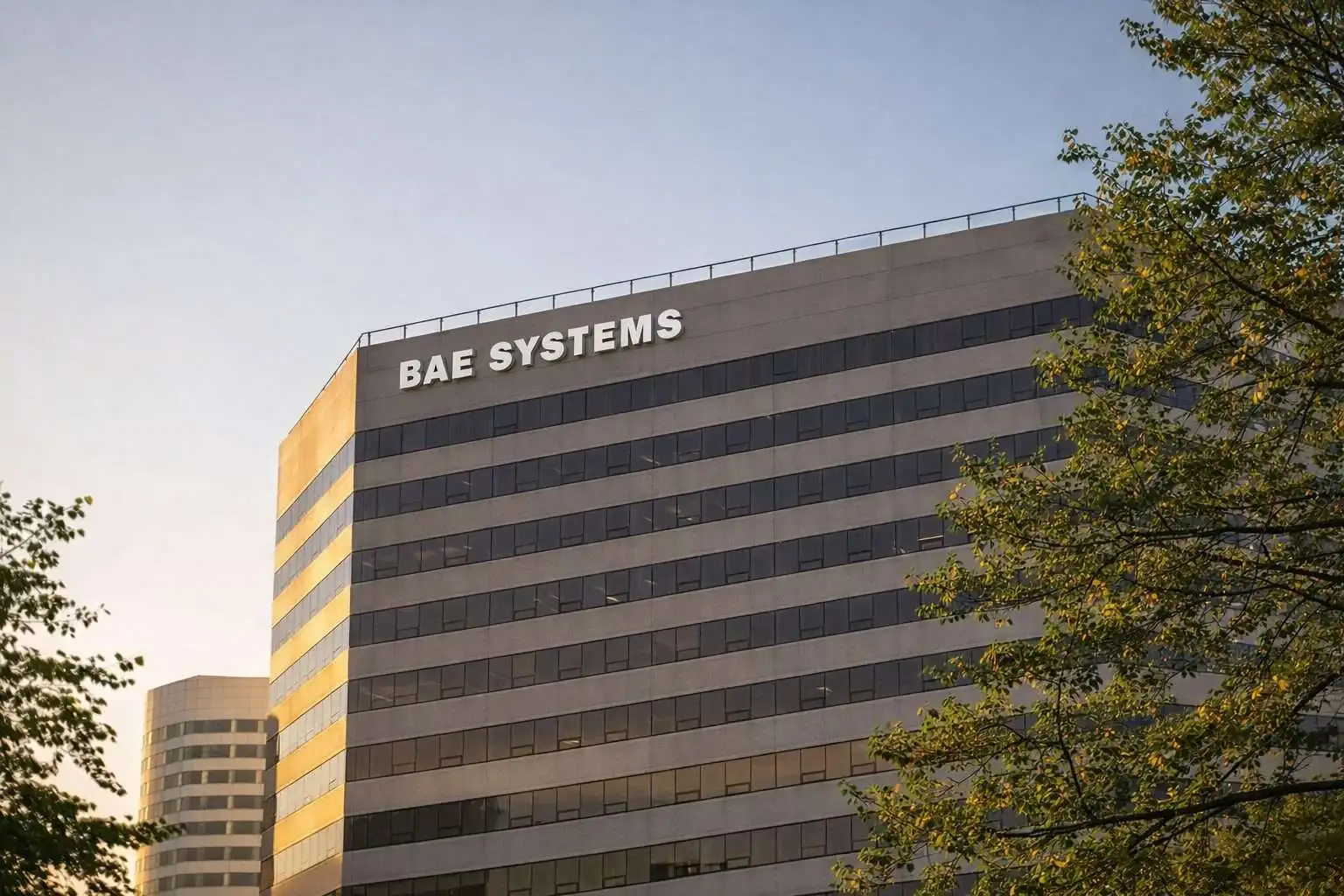
On Monday, BAE Systems reported it had bought back 505,128 more ordinary shares for cancellation, following purchases carried out from March 23 to March 27. That move brings the second tranche of its buyback programme up to 19,996,019 shares in total. Shares in BAE climbed roughly 2.7% in London Tuesday afternoon, outpacing the FTSE 100’s 0.85% gain.
This filing draws attention as BAE continues returning cash to shareholders, even with defense orders gaining speed and governments ramping up pressure on suppliers to boost output. The latest buyback phase kicked off July 1, 2025, falling under a three-year program targeting up to 1.5 billion pounds, with 500 million pounds allocated for repurchases through June 2026. Buybacks shrink the share count, which can bump up earnings per share.
BAE’s numbers back it up. The U.K.’s largest defence contractor reported a 12% jump in 2025 operating profit, hitting 3.32 billion pounds, with sales at 30.66 billion pounds. The company’s backlog climbed to a record 83.6 billion pounds. Chief Executive Charles Woodburn called it a “new era of defence spending.” Reuters
Demand has firmed up again in the last few weeks. On March 25, the Pentagon named BAE, Lockheed Martin, and Honeywell in a broader initiative to ramp up munitions output. BAE, for its part, said its U.S. deal would boost capacity for THAAD seekers—the guidance systems for missile interceptors—by four times. Reuters also reported that Washington has told contractors to put production ahead of shareholder returns.
BAE has picked up more export business. Last week, Britain and Turkey inked a multi-billion-pound training and support deal tied to Ankara’s 8 billion-pound Typhoon fighter purchase. BAE and Leonardo UK are both supplying gear and training under the agreement.
Missiles aren’t just moving fast out the door—they’re moving the needle for the whole industry. MBDA, among Europe’s top missile producers and part-owned by BAE, said on March 26 it’s now eyeing a 40% jump in total output by 2026. The Iran conflict put fresh pressure on Western missile inventories, forcing the pace.
The outlook remains messy. Woodburn is pushing London to release its overdue Defence Investment Plan, arguing that suppliers need clear order timing to make investment decisions. Let procurement get pushed back—or if governments start questioning generous buybacks while pressing for greater output—the rationale for hefty cash returns could start to wobble.
BAE’s annual general meeting is set for May 7, the company told shareholders. That date serves as the next chance for investors to see if buybacks remain a priority as the defence cycle gains momentum.