STOCKHOLM, April 2, 2026, 15:10 CEST
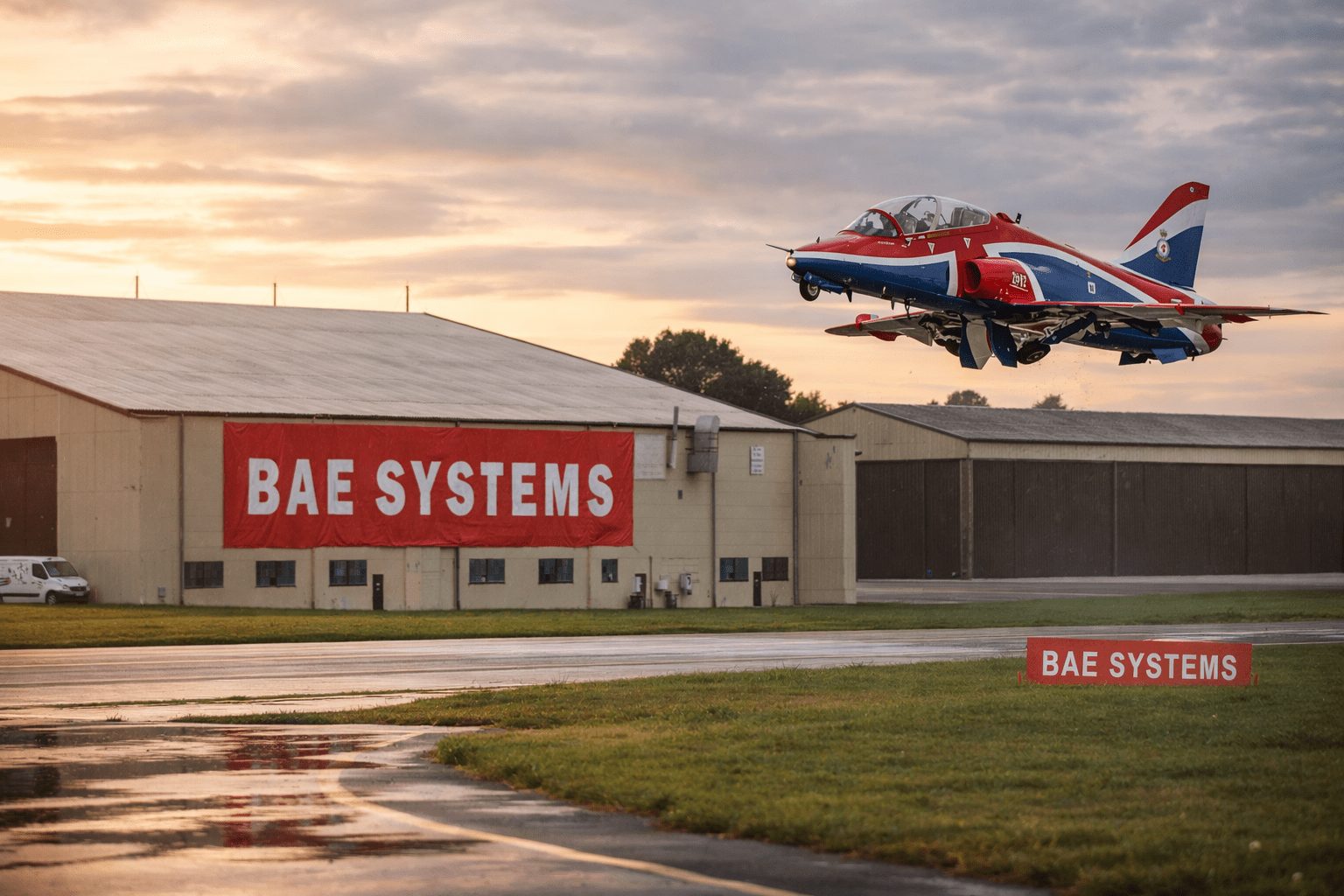
BAE Systems plc on Thursday announced a $180 million deal with Sweden for its Tridon Mk2 air-defence system, landing the contract as Stockholm moves forward with an 8.7 billion Swedish crowns ($916 million) investment to bolster its aerial defences against drones and related threats. The agreement is part of Sweden’s ongoing efforts to ramp up national air security. 1
Timing’s key here. Defence Minister Pal Jonson stressed it’s more crucial than ever to fund air-defence upgrades, especially as Sweden expands beyond just military sites, now aiming to protect cities, rail junctions, airports and nuclear facilities. He pointed out these systems got real-world tests in Ukraine, where they’ve shown they can handle the Shahed drones deployed by Russia and Iran. 2
According to Swedish government filings, deals with Saab and BAE Systems Bofors fall under the GUTE II anti-drone program, tied to a broader push to bolster territorial air defences. The package—covering sensors, command-and-control gear, vehicles, ammunition and gun systems—is set for delivery between 2027 and 2028. 3
Saab landed a separate order valued at roughly 2.6 billion crowns for a mobile counter-unmanned aerial system—essentially, anti-drone technology—aimed at safeguarding both military and civilian infrastructure. According to Carl-Johan Bergholm, who heads up Saab surveillance, the system comes modular and on the move, with integration into other defense setups baked in. 4
BAE calls the Tridon Mk2 a 40 mm gun mounted on a truck, capable of targeting drones, cruise missiles, and aircraft, plus hitting ground targets. “We are more committed than ever to providing our customers with protection from ever-evolving aerial threats,” said Lena Gillström, president of BAE Systems Bofors, in a statement. 1
The Ukraine war has already pulled the system into focus. Back in February, Sweden and Denmark signed off on a 2.6 billion crown Tridon order destined for Kyiv. At the time, Jonson pointed out the deal could help Ukraine set up an air-defence battalion—and, at the same time, give Swedish production a boost. 5
With the Sweden contract now in the bag, BAE’s backlog swelled to a record 83.6 billion pounds as reported back in February. Chief Executive Charles Woodburn called it a “new era” for defence spending, suggesting years of growth ahead. At that time, the company guided for 2026 sales to rise 7% to 9%, while operating profit was seen climbing 9% to 11%. 6
Competition for air-defence systems is still fierce. MBDA—the missile manufacturer backed by BAE, Airbus, and Leonardo—announced last week it plans to ramp up total production by 40% in 2026. Ongoing conflicts in Ukraine and Iran are depleting Western air-defence reserves faster than anticipated. 7
Still, revenue gains probably won’t show up all at once. Defence stocks, analysts point out, are already trading with a hefty “conflict premium.” Long lead times, production bottlenecks, and political wrangling over budgets can all drag out the lag between new contracts and actual earnings. Douglas Harned at Bernstein doubts the current conflict will drive U.S. defence spending beyond levels that are already quite bullish. David Bianco from DWS notes that much of the conflict premium is likely baked in. 8
Official projections put Sweden’s defense budget at 2.8% of GDP in 2026, rising to 3.5% by 2030, with deliveries tied to the latest package scheduled through 2028. 2