
Bengaluru, May 6, 2026, 19:45 IST
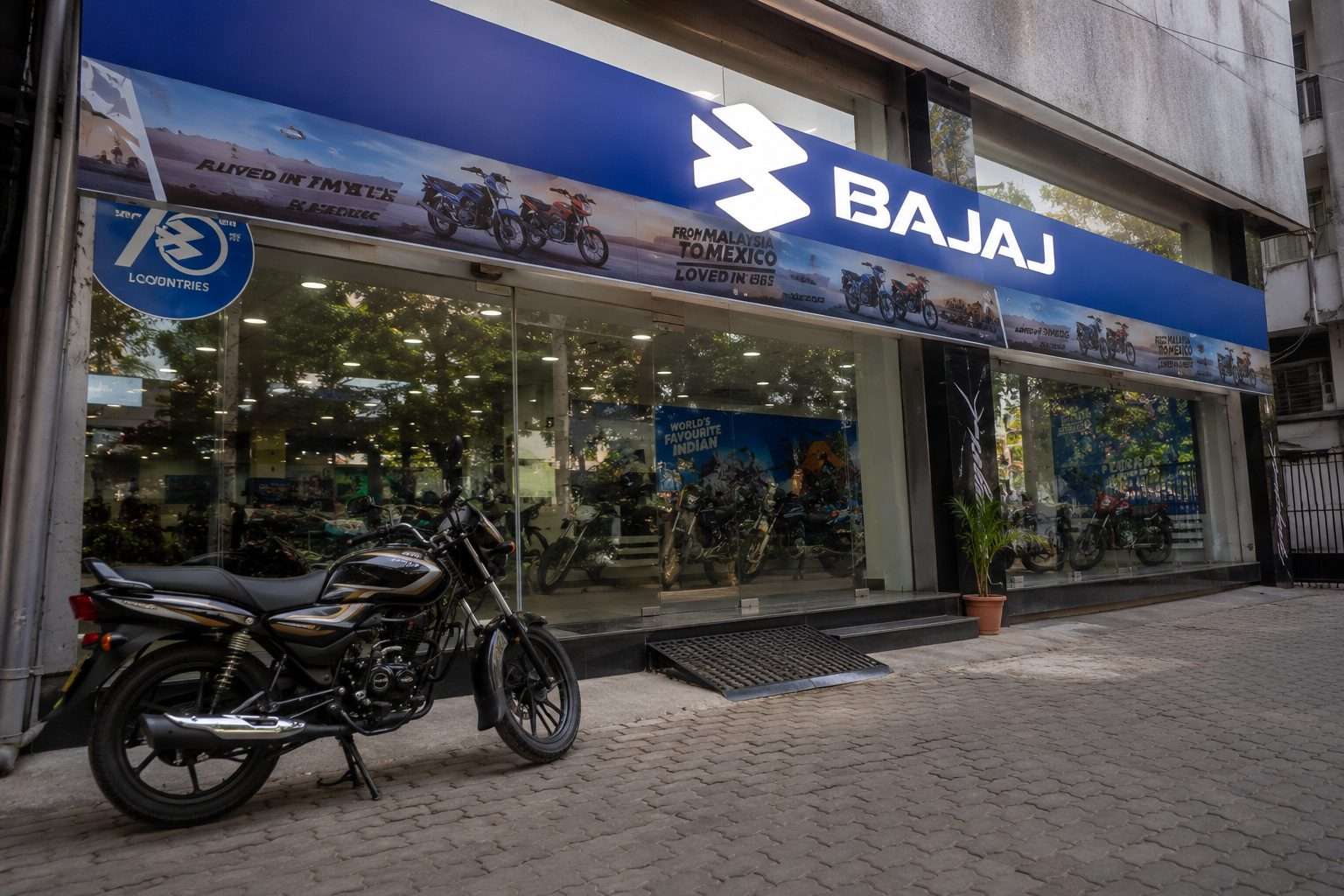
Bajaj Auto Ltd delivered stronger-than-forecast profit for the March quarter on Wednesday and signed off on its biggest-ever share buyback, putting fresh pressure on investors to weigh the rally in India’s two-wheeler sector. The board cleared a ₹5,633 crore buyback at ₹12,000 per share—a move that involves the company purchasing its own stock from holders.
The timing’s notable: Pune-based Bajaj Auto, known for its Pulsar bikes and Chetak scooters, is handing back cash right when homegrown sales, exports, and pricier motorcycles are shouldering a bigger chunk for the sector. Shares edged up ahead of the results, released after the bell.
Standalone profit jumped 34% year-on-year to ₹2,746 crore for the March 31 quarter, beating the LSEG poll estimate of ₹2,524 crore. Operating revenue climbed roughly 32% to ₹16,006 crore.
The board at Bajaj Auto has put forward a final dividend of ₹150 per share, pending sign-off from shareholders. Eligibility will be based on a record date of May 29, with the payout slated for no later than July 24, 2026, according to the company’s exchange filing cited by NDTV Profit.
Bajaj Auto’s buyback plan targets up to 46.94 lakh shares—1.68% of paid-up equity—offered at a 16.3% premium over Wednesday’s close, according to Reuters. In a statement, the company put the combined value of the buyback and dividend at roughly ₹9,825 crore, matching 100% of its profit after tax for the year.
EBITDA — or earnings before interest, tax, depreciation and amortisation — climbed 36% to ₹3,323 crore. Margins ticked up to 20.8%, compared with 20.2% in the same period last year. Company commentary cited by Mint pointed to pricing, currency moves, product mix, and operating leverage as key drivers.
Volumes carried the quarter. According to Moneycontrol, total volumes climbed 24% from a year earlier to 13,71,058 units. Domestic volumes also jumped 24%, while exports edged up 25%.
The company said exports topped the 6 lakh-unit mark once more for the quarter. Domestic motorcycle revenues climbed roughly 30%. Bajaj Auto also highlighted ongoing strength in commercial vehicles, its electric three-wheeler segment, and the Chetak electric scooter. Retail volumes for Chetak moved past 1 lakh during the quarter, according to Mint’s live results coverage.
The results beat what analysts had penciled in before the release. Earlier Wednesday, Upstox flagged that the street was looking for a 23% to 26% jump in Bajaj Auto’s profit year-on-year, with revenue seen growing 25% to 27%. Investors zeroed in on exports, electric two-wheelers, plus the buyback call.
Rivalry continues to heat up. Hero MotoCorp, the country’s largest two-wheeler manufacturer, reported quarterly earnings that topped forecasts Tuesday, citing robust demand at home. Still, Reuters noted that analysts are bracing for a slowdown in sector growth once the boost from motorcycle tax reductions runs out. TVS Motor, another major player riding the same two-wheeler wave, remains on investors’ radar.
Costs are the main concern. Bajaj Auto saw demand climb both in India and abroad, yet Reuters noted raw-material costs shot up 38% from a year earlier. Total expenses increased 30%, squeezed higher by pricier aluminium and steel, rising energy bills, and shipping after the Middle East conflict.
What happens next hinges on whether investors see more value in the buyback premium than they worry about those ongoing cost pressures. Right now, the company’s out with a profit beat, a trimmed dividend—less than last year’s ₹210 per share—and is handing back extra cash via a beefed-up buyback.