
LONDON, April 6, 2026, 14:04 BST.
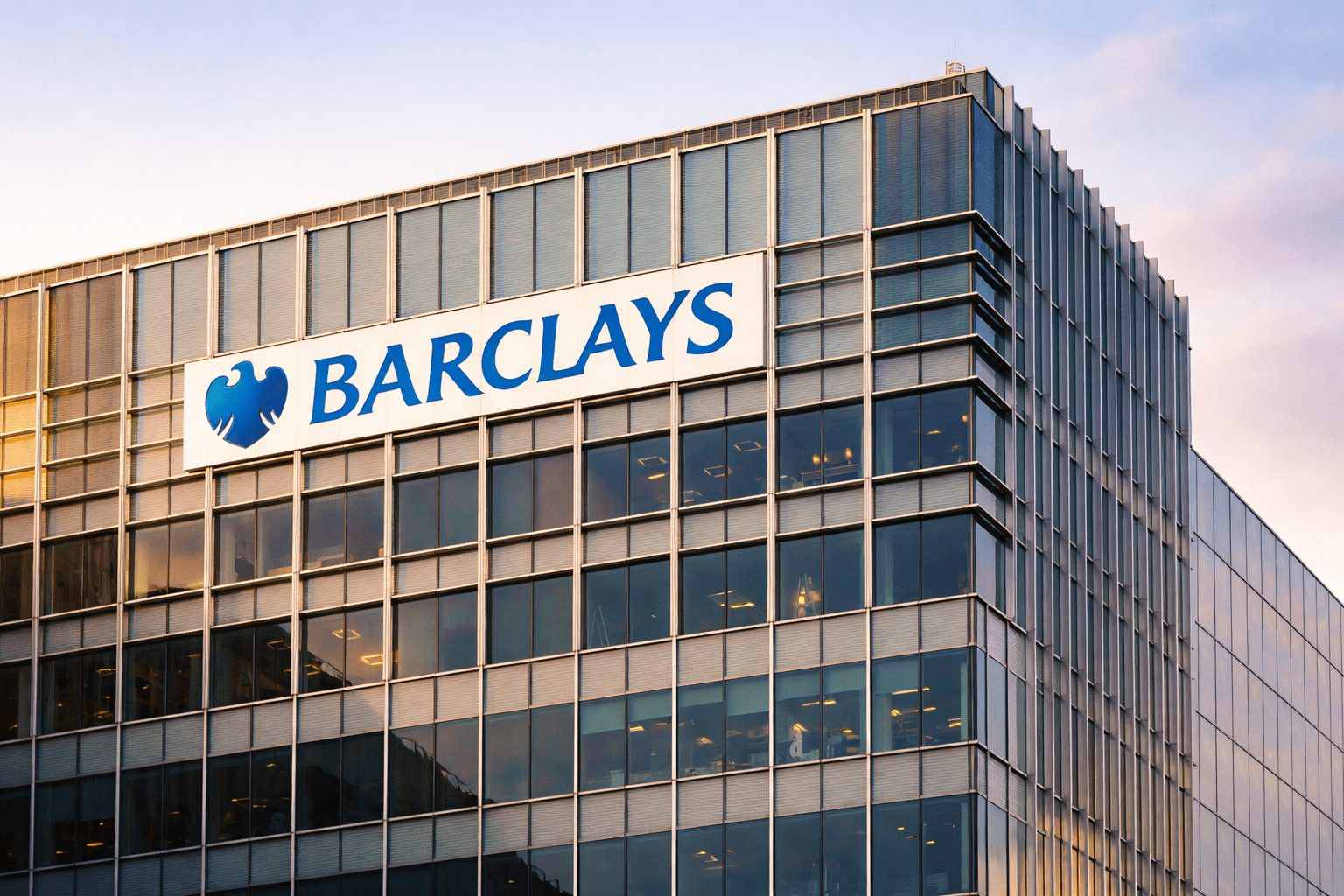
Barclays is set to add more branches across Britain and bring back the “bank manager” role, according to UK chief executive Vim Maru in an interview with The Times—marking a shift from its longstanding pullback from the high street. A recent results release confirmed the lender aims to increase its current footprint of 206 locations. City AM
That shift is carrying new weight as app-based challengers step deeper into retail banking. Just last month, Revolut secured full approval to operate as a British bank, putting it head-to-head with Barclays and other legacy players on current accounts—the ones people use for their salaries and bills—as well as on consumer loans. “The licence would ‘sharpen pressure’ on both traditional banks and challengers,” said Elliot Reader, director at Houlihan Lokey’s fintech group. Reuters
Barclays is closing in on its first-quarter results, now less than four weeks away. Back in February, the bank reported a 13% jump in 2025 pre-tax profit to 9.1 billion pounds and put forward a goal to push return on tangible equity above 14% by 2028. Management also committed to handing back over 15 billion pounds to shareholders across 2026-2028. Investors get their next look at numbers on April 28.
Speaking to the Press Association, Maru said Barclays aims to excel in digital banking but stressed the importance of being available for customers who need personal assistance. Customers shouldn’t be “stuck in some chatbot” when looking for human support, he said. According to Maru, “The branch manager or bank manager is back,” as plenty of clients continue to appreciate having a physical branch. The Standard
Barclays has made moves to ease the blow from previous branch reductions. The bank’s 2025 annual report pointed to extended hours at 86 locations, which tacked on roughly 33,500 extra in-branch service hours per year. By the end of the year, a results filing put the network at 206 branches.
Barclays is shifting gears. The bank has closed almost 80% of its branches since 2019, according to weekend reports. Maru, though, sees the way forward as a blend of digital tools and in-person help—even as app-driven competitors like Revolut and Wise ramp up their presence in the UK current-account space.
Barclays PLC’s push into retail is just one piece of its sprawling business. The company labels itself a British universal bank, with operations that include consumer banking, a corporate bank, private banking and wealth management, investment banking, plus a U.S. consumer bank.
Still, it’s a balancing act. Barclays is pouring more money into branches, upping fixed costs right when it’s under pressure to boost returns. This shift coincides with an industry-wide motor finance redress bill pegged by the Financial Conduct Authority at roughly 9.1 billion pounds—a tab that includes Barclays.
The April 28 update will give a better read on whether the branch investment actually strengthens customer ties without denting returns. For the moment, Barclays is doubling down on the value of the physical counter—a move that stands out after years of industry retrenchment.