
FRANKFURT, May 4, 2026, 13:06 CEST
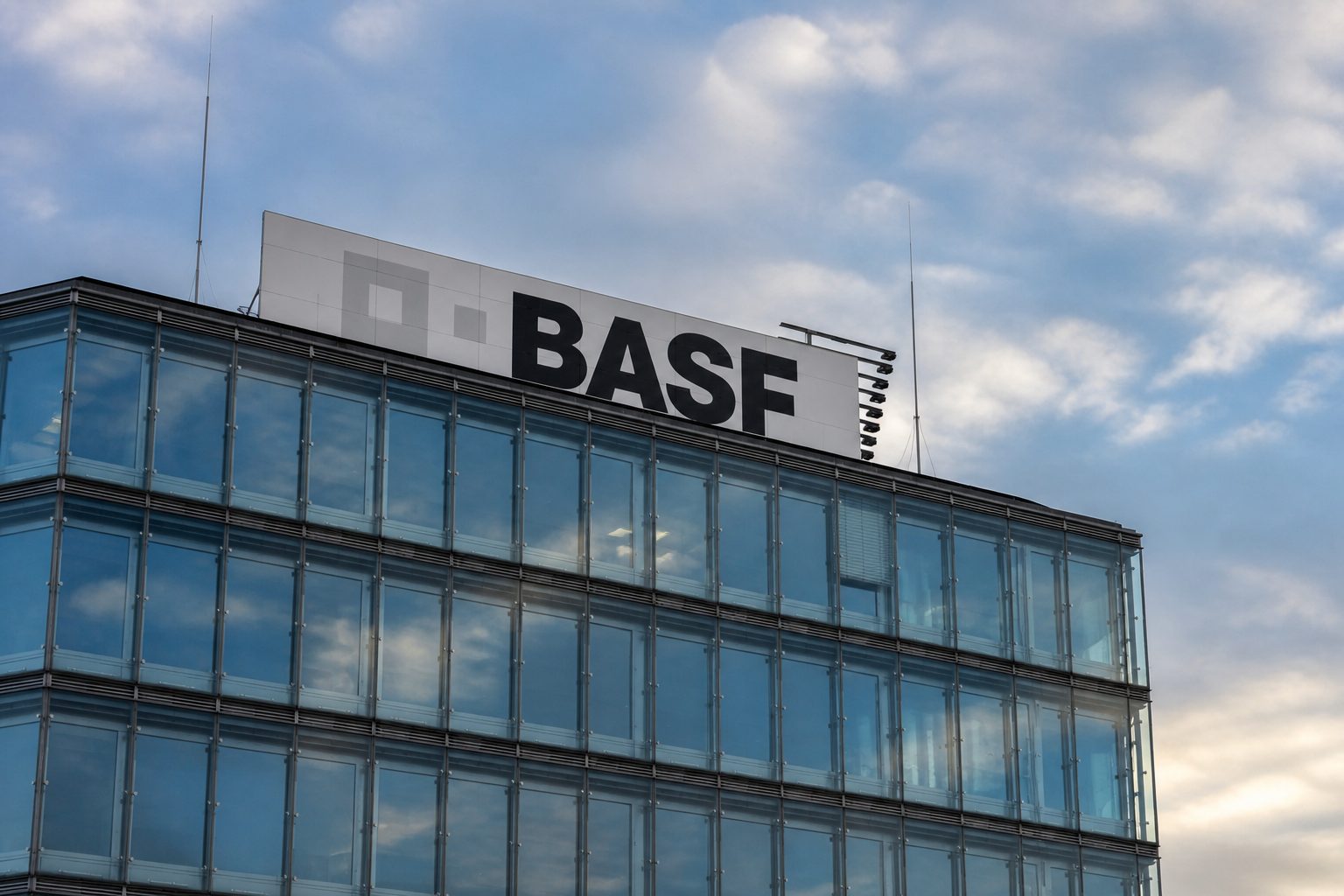
BASF stock climbed into the DAX’s upper ranks on Monday, changing hands at 54.11 euros around midday. The chemicals company traded ex-dividend. According to WELT, which cited dpa-infocom market data, the stock advanced 3.09%, easily outpacing the DAX’s 0.39% rise. Shares sat just 1.71% under their 52-week peak of 55.05 euros.
Timing’s key here. On ex-dividend day, anyone picking up shares won’t pocket the latest 2.25 euro payout, which typically puts some downward pressure on the stock. BASF shareholders cleared that 2.25 euro-per-share dividend for 2025 during the April 30 meeting, with the cash set to hit accounts starting May 6.
The question for investors now: cash yield or stretched valuations? According to finanzen.net, BASF shares are up 28.86% on Xetra over the past year. Add in dividends, and total return jumps to 40.77%. The stock is hovering near its one-year high, setting a strong tone.
Barclays isn’t convinced by the recent jump. Analyst Katie Richards maintained an “Underweight” on BASF, sticking to her 40-euro price target. She flagged limited upside in the near term and expects the stock to tread water as investors wait for new catalysts. With BASF trading at 54.11 euros, that target points to a 26.08% drop, according to finanzen.net. Finanzen
BASF’s Q1 results landed something for everyone. Sales dropped by 488 million euros to 16.02 billion, and EBITDA before special items dipped to 2.356 billion euros—down 140 million from a year ago. CFO Dirk Elvermann called the performance “resilience,” pointing out that currency headwinds of over 100 million euros made the difference; strip that away, and earnings would have matched last year’s. BASF
BASF is looking to retain its investor base with hefty distributions. The company targets a minimum of 12 billion euros returned to shareholders between 2025 and 2028—split into at least 8 billion euros for dividends and no less than 4 billion euros allocated to buybacks.
BASF’s dividend remains a standout in its sector. According to Finanzen.net, the company’s 2025 dividend yield comes in at 5.06%, topping peers like Merck, Henkel preferred, and Bayer. Merck follows next, offering shareholders a 2.20-euro payout and a 2.97% yield.
Investors threw their weight behind the restructuring: BASF secured 98.57% support for its profit appropriation at the annual meeting, while the hive-down of Agricultural Solutions into a standalone legal entity sailed through at 99.66%. The fresh share buyback authorization drew 94.62% approval.
Chief Executive Markus Kamieth described the overhaul as an attempt to reduce complexity. Addressing shareholders, he argued that firms able to “cut complexity” and “simplify” would come out ahead. He highlighted the 7.7 billion-euro Coatings deal with Carlyle, noting BASF’s intention to retain 40% of that unit. The company also has its sights set on preparing Agricultural Solutions for an IPO in 2027.
Still, risks are clear. BASF stuck to its 2026 outlook for EBITDA before special items—6.2 to 7.0 billion euros—and free cash flow of 1.5 to 2.3 billion euros, but flagged that global growth projections might be too rosy. The company also pointed to potentially higher oil prices and ongoing supply chain vulnerabilities tied to the Middle East conflict.
Right now, two key dates are setting the pace for the stock: the May 6 dividend payout and the upcoming earnings report. According to Finanzen.net, BASF is due to unveil its second-quarter numbers on July 29. That’s when investors could finally see the proof Barclays still claims isn’t there.