BATLOW, March 14, 2026, 09:04 UTC+11.
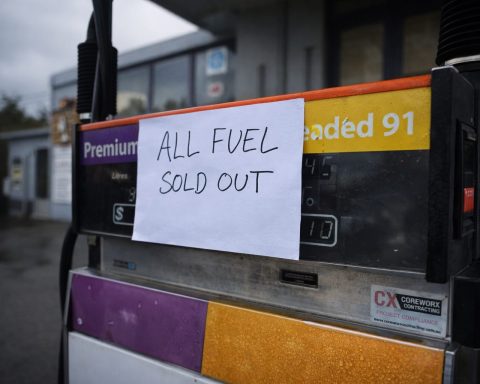
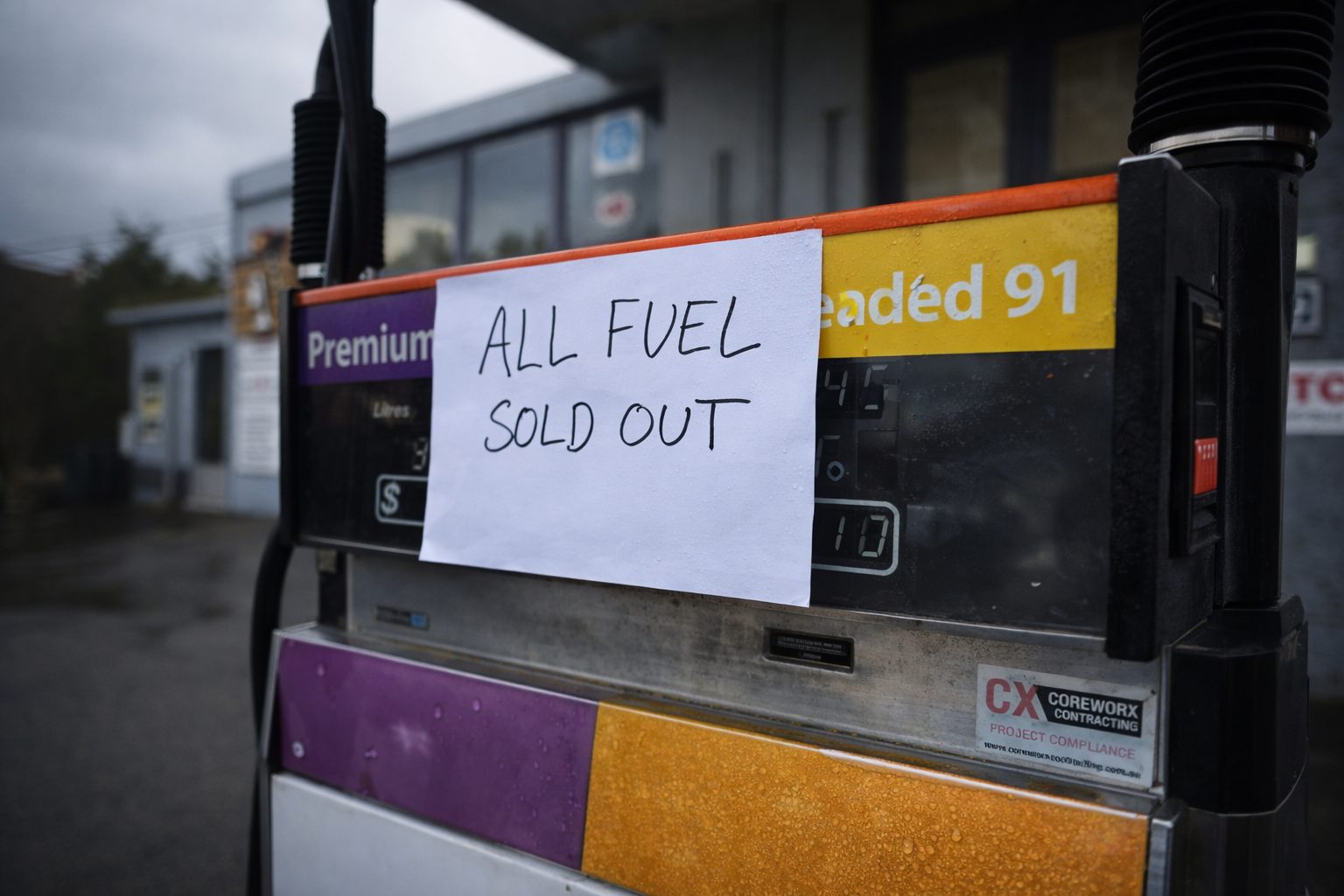
- Batlow’s only service station has run out of fuel, sending residents to nearby towns about 30 minutes away to fill up. 1
- Canberra said on Friday it would free up to 762 million litres from domestic reserves, but warned the fuel would take time to reach regional communities. 2
- Analysts say the squeeze has exposed Australia’s thin fuel buffers and heavy dependence on imported supply. 3
Batlow, a town in the foothills of New South Wales’ Snowy Mountains, has run out of petrol at its only service station. War-linked disruption in the Middle East and sharp wholesale swings made restocking too risky for the independent operator. The shortage has pushed locals to drive out of town for fuel, turning a wider national supply shock into a live regional test. 1
That matters now because Batlow is one of the clearest signs yet that Australia’s fuel strain is hitting regional communities before the country runs short overall. The federal government on Friday said it would let companies draw down up to 20% of the fuel they are normally required to hold under the Minimum Stockholding Obligation, a reserve rule for importers and refiners, releasing as much as 762 million litres of petrol and diesel into the system. 2
Station worker Sam Hughes said day-to-day price swings had made new deliveries unworkable for a small retailer. Even when supply could be found, he said, it could not be sold at a “reasonable price” without leaving the business exposed. 1
Residents have been driving to Tumut and Tumbarumba to fill up, an added trip that bites harder in a town with older residents, farm machinery and harvest work to think about. Orchardist Barney Hyams said the crunch had been manageable so far, but warned it would hurt more if it dragged into harvest or delayed fertilising and other field work. 1
Energy Minister Chris Bowen said ships were still arriving in Australia and argued the immediate problem was panic buying — people topping up more than usual for fear of shortages — rather than a collapse in national supply. Canberra also loosened fuel-quality rules for 60 days, allowing about 100 million litres a month of higher-sulphur petrol, a lower-grade fuel normally exported, to be blended into local supply, with Ampol directed to prioritise regions of shortage and the wholesale market used by independent distributors. 4
The Batlow outage has sharpened complaints that independent retailers get squeezed first when wholesale prices jump. Independent Wagga Wagga MP Joe McGirr said he was hearing of other operators under pressure or already running low, while competition commissioner Anna Brakey said the regulator would seek explanations from retailers on pricing and step up work on diesel distribution issues in regional and rural areas. 5
Analysts say the episode points to a longer-running weakness. Graeme Bethune of the Oxford Energy Institute said Australia “hasn’t met” International Energy Agency stock rules since 2012, while ASPI’s John Coyne said governments needed “specific levers” because the market alone would not build enough resilience. Bowen said on March 3 Australia held 36 days of petrol, 34 days of diesel and 32 days of jet fuel, and industry data show the country now has only two operating refineries, Ampol’s Lytton plant and Viva Energy’s Geelong refinery. 3
The risk is that if the Iran war drags on and above-normal buying persists, the extra fuel may not reach places like Batlow quickly enough. Bowen has ruled out rationing for now and the government says regional, agricultural and maritime users will be prioritised first, but officials also warn the chain from storage terminals to country service stations is “long and complex”, while Batlow growers say the pain will deepen if the shortage spills into harvest. 2
For now, the problem in Batlow is simple enough. The pumps are dry, and residents are still making the drive out of town to fill up and wait for the next truck. 1