
DUBLIN, Feb 18, 2026, 10:08 (GMT)
- A fresh industry report points to profit worries for AIB and Bank of Ireland, suggesting both banks would be “nervous” should Bawag move ahead with an acquisition of Permanent TSB.
- Ireland holds onto a 57% stake in Permanent TSB, looking to unwind its final position in the banking sector.
- Bawag’s CEO called Ireland a strong banking market and hinted there’s space for larger takeovers.
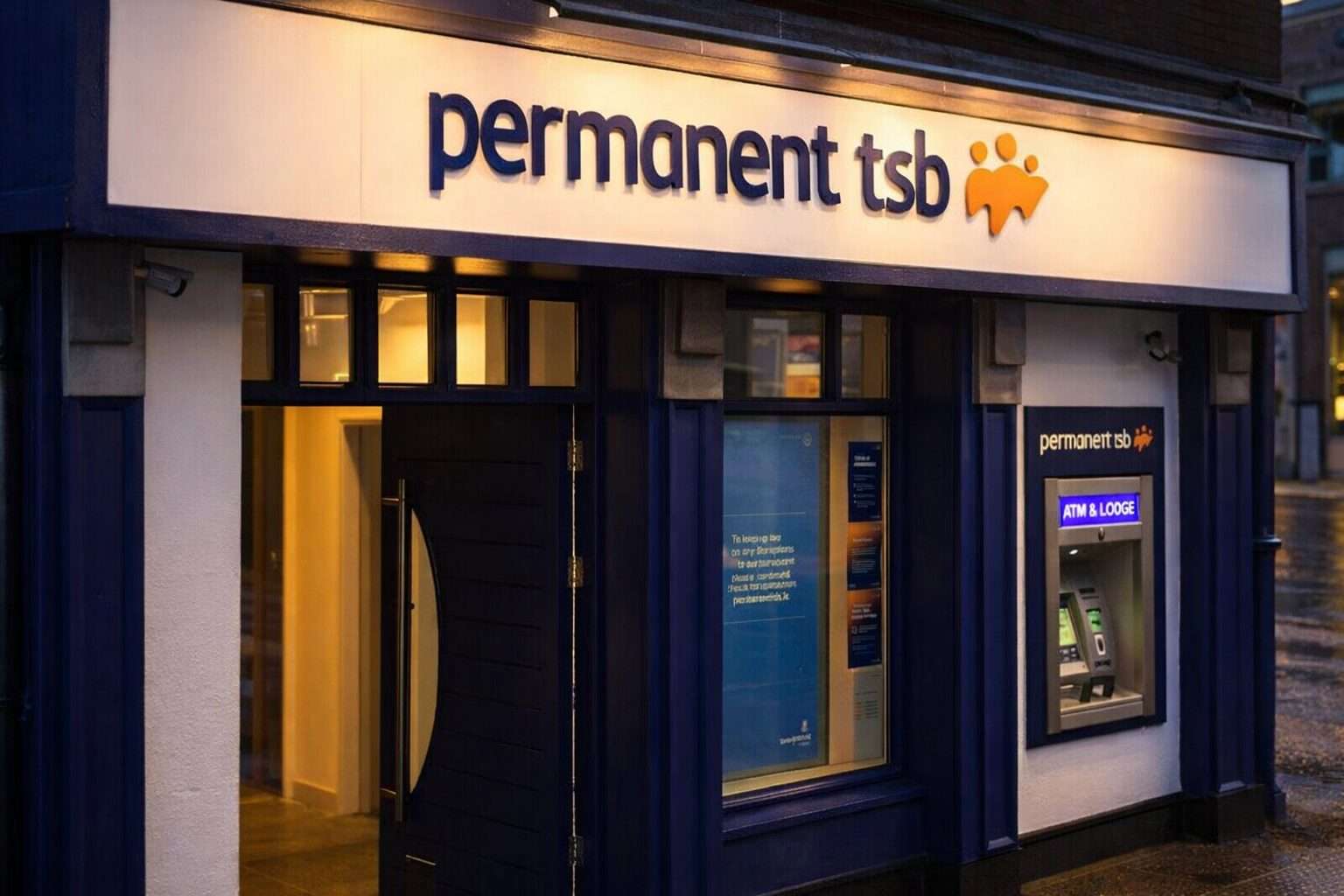
A fresh industry report flags potential nerves for AIB and Bank of Ireland if Austrian bank Bawag moves ahead with a takeover of Permanent TSB (PTSB), according to The Business Post. The lenders could see pressure on profitability, the report noted.
Timing’s key here: Permanent TSB is still the last of Ireland’s major banks with the state holding a chunk—57%, worth about €998 million as of Feb. 11—since the bailout days. Bawag, with its existing presence via mortgage player MoCo, could push further into the Irish market if a deal happens. But it’s a space largely run by AIB Group and Bank of Ireland, and, for now, Spain’s Bankinter is downplaying any interest in a bid.
First-round bids are in for the PTSB sale, with private equity names hovering—fueling worries about aggressive cost-cutting. Bawag CEO Anas Abuzaakouk called Ireland “one of the most robust banking markets in Europe” and said the bank has “the bandwidth to be able to address larger acquisitions.” He left it there, without naming a target. On the numbers: Bawag wrapped up 2025 holding roughly €468 million in surplus cash, sitting opposite PTSB’s €1.7 billion market capitalisation. Abuzaakouk didn’t close the door on issuing new shares to finance a deal. More details could land with Bawag’s first-quarter earnings in April. The Irish Times
Abuzaakouk told Independent.ie that Bawag is actively eyeing deals, targeting acquisitions between €1 billion and €2 billion. But when it came to PTSB, he stopped short of addressing the bank directly.
Bawag is circling after delivering a solid 2025. The lender posted pre-tax profit of €1.16 billion—a 17% jump over 2024—and revenue climbed 36% to €2.2 billion, according to Irish broadcaster RTE.
AIB and Bank of Ireland have a clear concern: if a third competitor turns up the heat, pricing could become a bruising contest. The battleground? Mortgages and deposits. That’s the core of Irish banks’ earnings.
Permanent TSB may not match the size of the top two, but if a new owner comes in aiming for market share over status quo, the impact could be felt. Margin pressure across the sector could start showing up well ahead of any deal’s completion.
Plenty of hurdles remain. Any bid faces regulatory scrutiny and must navigate political sensitivities in Ireland. The buyer also has to persuade investors it can afford the deal without stretching too much. There’s a chance Bawag could walk away if the math doesn’t add up—or if the state and other shareholders push for a price that’s out of reach.