NEW YORK, March 22, 2026, 11:08 EDT
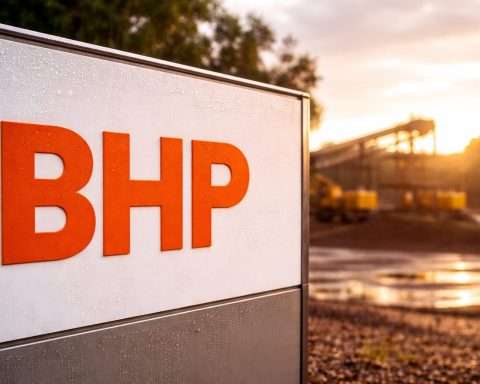
BHP Group Ltd’s U.S. shares closed out Friday at $65.29, falling 3.09% and erasing the 0.9% uptick logged after the miner tapped Brandon Craig as chief executive earlier this week. With the bounce gone, the stock finds itself under renewed pressure as investors weigh the impact of the leadership shift. 1
The timing is no accident. BHP’s earnings are now driven less by iron ore, with copper making up 51% of operating profit in February—a first. That shift powered a 22% jump in half-year underlying profit, which hit $6.2 billion after excluding one-offs. 2
Craig says his priority is growing BHP’s existing asset base, and any acquisition deal would need to be “incredibly compelling.” Andy Forster at Argo Investments points to the Americas as “probably the most important business for BHP in the years ahead.” According to Barrenjoey’s Glyn Lawcock, Mike Henry departs with copper growth options still on the table in South Australia, Argentina, and Escondida. 3
Strategy isn’t the only issue on the table. On Friday, a Reuters analysis pointed out Craig’s appointment has rekindled debate over diversity and the succession pipeline in mining. Investors and recruiters flagged a risk: overlooking senior women might drive talent away. Chairman Ross McEwan summed it up—“you will lose a bit of talent” if the job goes to just one candidate. 4
Investors have long shown little patience for BHP’s persistent discount. According to Reuters Breakingviews, which referenced LSEG data, BHP shares have climbed 48% since Henry stepped in at the start of 2020. That performance lags Rio Tinto, Fortescue, and Glencore—even after BHP claimed the title of world’s biggest copper producer. The result: Craig faces immediate pressure to boost shareholder returns without overpaying for the next big deal. 5
But iron ore is still the wildcard. Chinese imports surged in the early part of the year, yet much of that ore is piling up in storage instead of feeding steel production. Steel output dropped 3.6% in January and February; meanwhile, port stockpiles hit a record 166.91 million tons. For BHP, that’s hardly the demand picture they want to see from their top customer. 6
Near-term costs could climb as well. Diesel shortages are already biting for Australia’s farmers and miners, with the Iran war upending fuel supply chains. Still, Energy Minister Chris Bowen said Sunday that rationing isn’t on the table. But if diesel stays tight or transport gets pricier across the sector, margins and sentiment could face more pressure. 7
On the growth side, BHP has some tangible options. In Arizona, both BHP and Rio Tinto finally got hold of acreage for the long-stalled Resolution Copper venture. The board confirmed Craig steps in as chief on July 1. That means investors won’t be guessing much longer—soon, they’ll see whether BHP’s copper ambitions actually deliver better returns and a richer valuation. 8
The picture remains unsettled. According to Reuters market pages, copper futures slipped 0.18%, while Brent crude traded at $109.55. That puts BHP in a tough spot, caught between copper’s potential gains and the pressure from high energy costs. 1