
LONDON, March 30, 2026, 13:11 BST
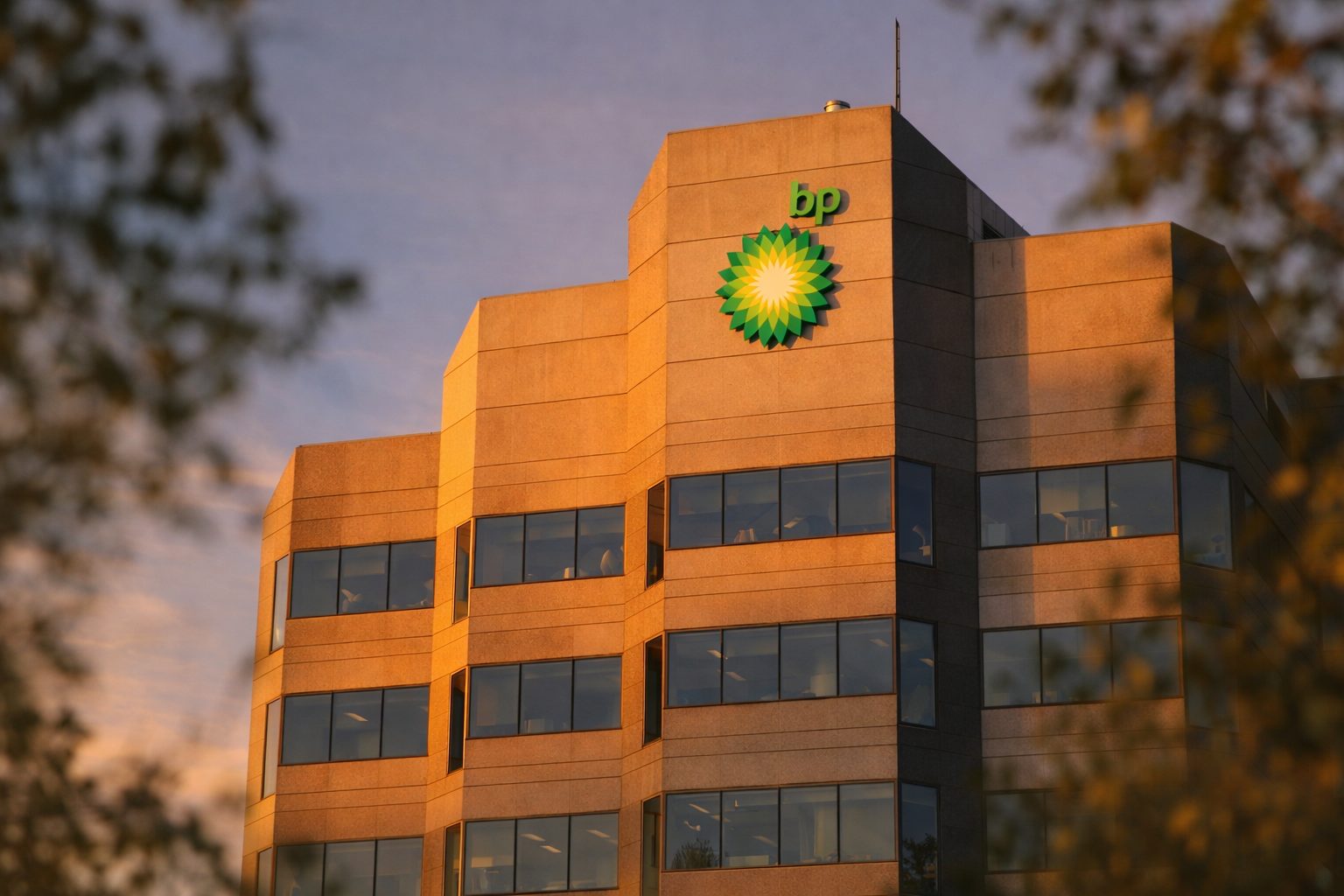
Brent crude is trading over $115 a barrel as BP readies for its April 1 leadership transition, putting the company on track for its steepest monthly gain since at least 1988, LSEG data shows. That’s a markedly stronger setup for incoming CEO Meg O’Neill than just a few weeks back. O’Neill steps into the role April 1.
Timing is key for BP, which has had a slimmer safety cushion than certain peers. Back in February, BP announced it would pause $750 million in quarterly buybacks and absorb around $4 billion in charges tied to renewables and biogas holdings. The company is now redirecting extra cash flow toward slashing net debt, aiming for a $14 billion to $18 billion range by 2027.
BP has stepped up disposals in recent months. On March 19, the company announced plans to offload its Gelsenkirchen refinery in Germany, lift its 2027 cost-cutting ambition to a range of $6.5 billion to $7.5 billion, and push total divestments beyond $11 billion. The measures are meant to drive down the group’s cash breakeven—the crude price BP needs to cover both spending and shareholder distributions.
Monday saw another turn in sentiment. The FTSE 100 in London picked up 0.6%, while energy shares across Europe moved higher, tracking another leg up in crude prices. Houthi strikes expanded the Iran-linked conflict, stoking supply worries—just as overall risk appetite remained fragile.
“The market has all but discounted the prospect of a negotiated end to the war,” said Vandana Hari at Vanda Insights. On top of that, J.P. Morgan analysts led by Natasha Kaneva flagged that the conflict has now spread into the Red Sea and the Bab el-Mandeb, raising fresh alarm over crude and product flows. Reuters
BP gets a bit of breathing space here, but it’s hardly a blank check. Shares of Shell and TotalEnergies climbed over 1% in Europe on Monday, a sign investors are reading the news as an industry-wide signal. Just last week, Reuters pointed out that higher oil and gas prices have been pushing up profit forecasts for the major players.
Still, pricier crude doesn’t automatically pad the bottom line. Last week, Reuters pointed out that majors operating in the Middle East—BP included—face hits from stalled output, tankers left in limbo, shipments taking longer routes, and mounting repair costs, all eating into potential gains. Based on BP’s annual report, Reuters calculated the company will rely on the region for roughly 22% of its oil and gas production in 2025.
O’Neill faces another ticking clock. Follow This, along with European investors controlling roughly $1 trillion, told BP it has until April 1 to add their climate proposal to the April 23 annual meeting agenda—or they’ll take the matter to court. BP, for its part, maintains the resolution isn’t legally valid.
BP’s board tapped the former Woodside chief as its new CEO—marking the first time an outsider, and a woman, will lead one of the world’s largest oil companies. The choice follows Murray Auchincloss’s sudden departure, a decision that underscores board frustration. Back in December, analysts told Reuters investors would probably favor a more aggressive overhaul of BP’s portfolio and costs.
All signs from BP lately: selling off assets, slashing complexity, and keeping cash close. With oil prices up, O’Neill gets some breathing space as she steps in—assuming the Gulf fallout stays confined to prices and doesn’t spiral into deeper operational trouble.